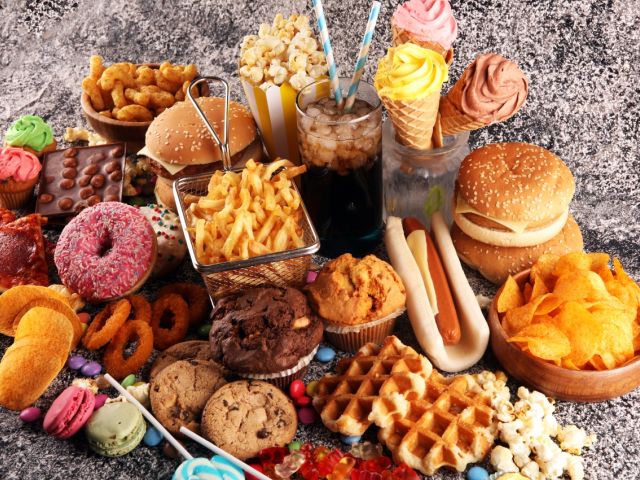
More than 10,000 additives are allowed for use in food sold in the U.S. These chemicals are added to products for a variety of reasons, including to add color or shine, to stabilize artificial flavors and to extend shelf life. Many food chemicals have not been thoroughly reviewed for safety or have not been re-reviewed for decades with the newest science in mind. Scientists have recently expressed concern about the potential health harms associated with some of these additives.
Tracking state food chemical regulation
Over 30 states have introduced legislation to ban or regulate harmful food chemicals, synthetic dyes and heavy metals.
News & Research
Stay informed. Stay healthy.
News
Thousands of chemicals are allowed for use in food sold in this country. And while most of these are likely safe to eat, some have been linked to serious health harms.
Research
EWG evaluation of food chemicals: Sucralose
Sucralose is an ingredient of concern. EWG suggests avoiding or limiting consumption of products with this ingredient or using sucralose as a sugar substitute. This recommendation is specific to...
Featured Video
Food additives: More than you may have bargained for
We eat food because we need it to live. But many foods contain additives that not only don’t provide nutrients, but also can be bad for you – and that’s perfectly legal. Food additives are used by manufacturers to do things like lengthen shelf life or provide more color or shine.
Topics
Explore related issues
Consumer Guides
The information you deserve to make healthier choices
EWG’s Dirty Dozen Guide to Food Chemicals: The top 12 to avoid
Our food should be nourishing and safe to eat. But more than 10,000 chemicals, some of which are potentially toxic, are allowed in cereal, snacks, meat and many other types of food sold in the U.S.
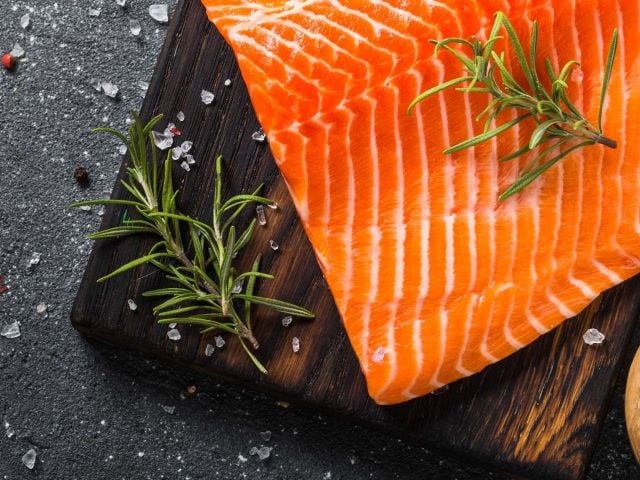
EWG’s Consumer Guide to Seafood
Which fish are richest in healthy omega-3 fatty acids, lowest in mercury contamination and sustainably produced?