- Certifications for non-ultraprocessed food, or non-UPF, are emerging due to a lack of Food and Drug Administration guidance.
- Public certification programs that rely on the Nova system to define UPF are well-positioned for public health impact.
- Non-UPF labels and other tools, like EWG’s Food Scores, can help consumers choose foods that are less processed and lower in salt, sugar and fat.
Update appended
California is advancing a bill to help shoppers identify alternatives to ultraprocessed foods, or UPF, at the grocery store. If enacted, it would create a first-ever government-run and state-certified label for non-UPF foods.
This certification would help cut through misleading marketing to provide shoppers with clear and actionable information about what is and isn’t UPF.
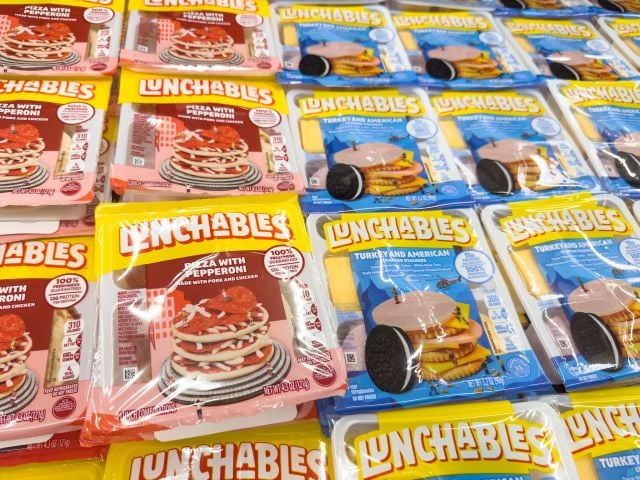
UPF are industrially made products that contain colors, additives or ingredients not commonly found in home kitchens. In the U.S., these foods make up more than half the typical adult diet and nearly two-thirds of what children eat. Leading health experts now consider UPF a key driver of chronic diseases like Type 2 diabetes, heart disease and depression.
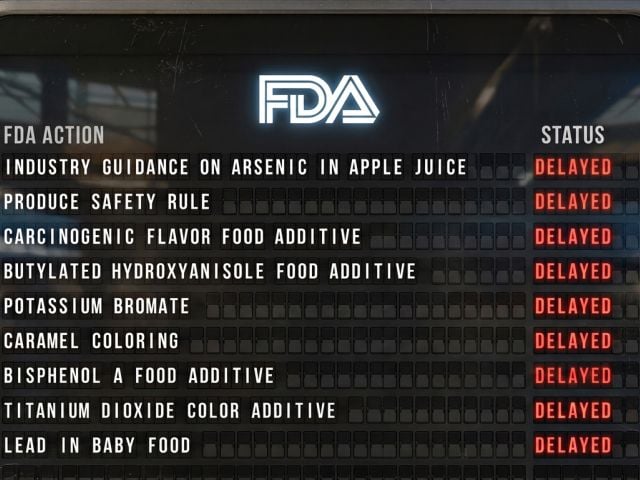
By defining UPF, the Food and Drug Administration could take a critical step toward helping consumers identify healthier alternatives. But it’s failing to act.
In the absence of federal action, other stakeholders are stepping in. Nonprofit and private certifications like the Non-UPF Project, Non-UPF Program and WISEcode are also making their way into the marketplace.
Ingredients provide information about food processing
The proposed California non-UPF certification uses ingredient groupings based on the Nova classification system, which is the most widely used and validated framework for determining what counts as an ultra-processed food.
According to the Nova system, there are two main groups of ingredients that indicate a food is ultra-processed: cosmetic additives and non-culinary ingredients. Cosmetic additives are used to enhance how a food looks, tastes or feels, and can include artificial flavors, colors, emulsifiers and sweeteners. Non-culinary ingredients are things you wouldn’t typically find in a home kitchen, like high fructose corn syrup or protein isolates.
Because companies are required to publicly publish product ingredient lists, they provide a practical and transparent way to help decide which foods are UPF.
The Non-UPF Program also uses the Nova system.
WISEcode takes a different route, using a proprietary formula that weights ingredients to score food across five processing levels: minimal, light, moderate, ultra or super-ultra processed. This system does not use Nova as its basis.
The Non-UPF Project evaluates both ingredients and processing methods provided by companies seeking certification. Processing methods are classified as permissible (e.g., curing or smoking), conditional (e.g., high temperature oil refining), or prohibited (e.g., hydrogenation). However, relying on company-supplied information can introduce potential conflicts of interest and make independent verification more difficult.
How do non-UPF certifications stack up?
The average U.S. grocery store carries more than 31,000 food products. Even the most nuanced systems for separating UPF from other processed foods will have imperfections. And policies targeting UPF will almost certainly need to change over time as the food industry responds with reformulated products.
But public health experts think we can get close.
Currently, California's proposed seal is the only certification that would adopt a Nova-based ingredient standard using a publicly verifiable process.
State-run programs offer several advantages. They rely on publicly available ingredient data, apply consistent and verifiable standards, and are not funded by the manufacturers seeking certification in a fee-based structure.
What consumers can do now
While consumers wait for non-UPF certifications and regulations to hit grocery store shelves, there are a few steps they can take to shop with more confidence.
One option is to check ingredient lists and nutrition facts, which are usually found on the back of food packages, looking for more whole foods and fewer chemicals. This may also mean looking beyond marketing claims on the front of packages, which can include phrases, colors or symbols intended to mislead consumers about what’s inside.
For some extra help, take a look at EWG’s Food Scores, which provides ratings for more than 150,000 foods and drinks based on nutrition, ingredients and processing. Food Scores also flags unhealthy UPF and can help with identifying alternatives.
Shoppers on the go can also use EWG’s Healthy Living™ app.
Editor's note: This article has been revised to reflect recent developments regarding the California bill.