A toxic weedkiller linked to
Parkinson’s disease

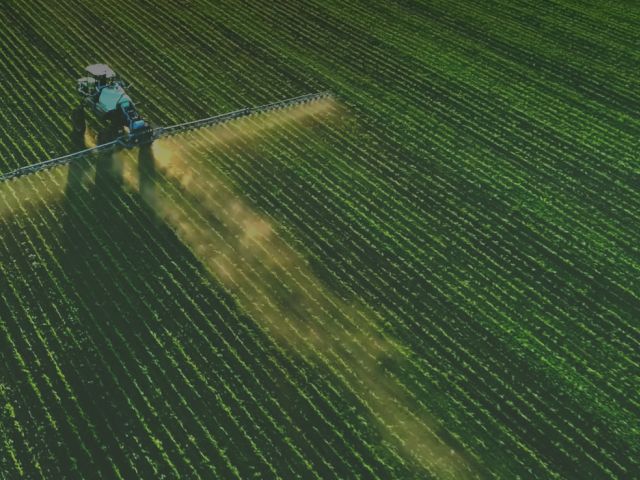
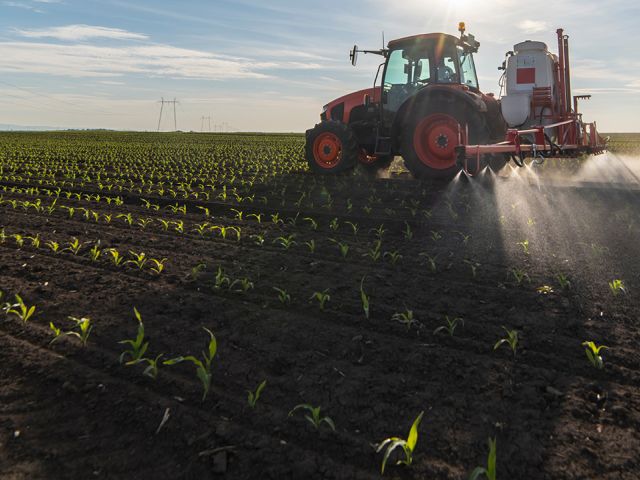
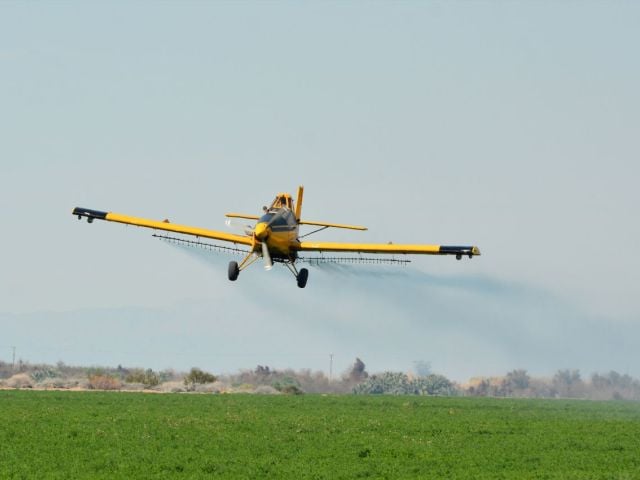
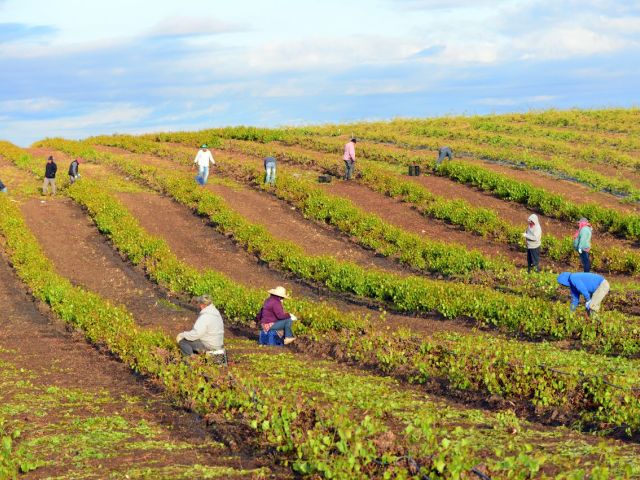
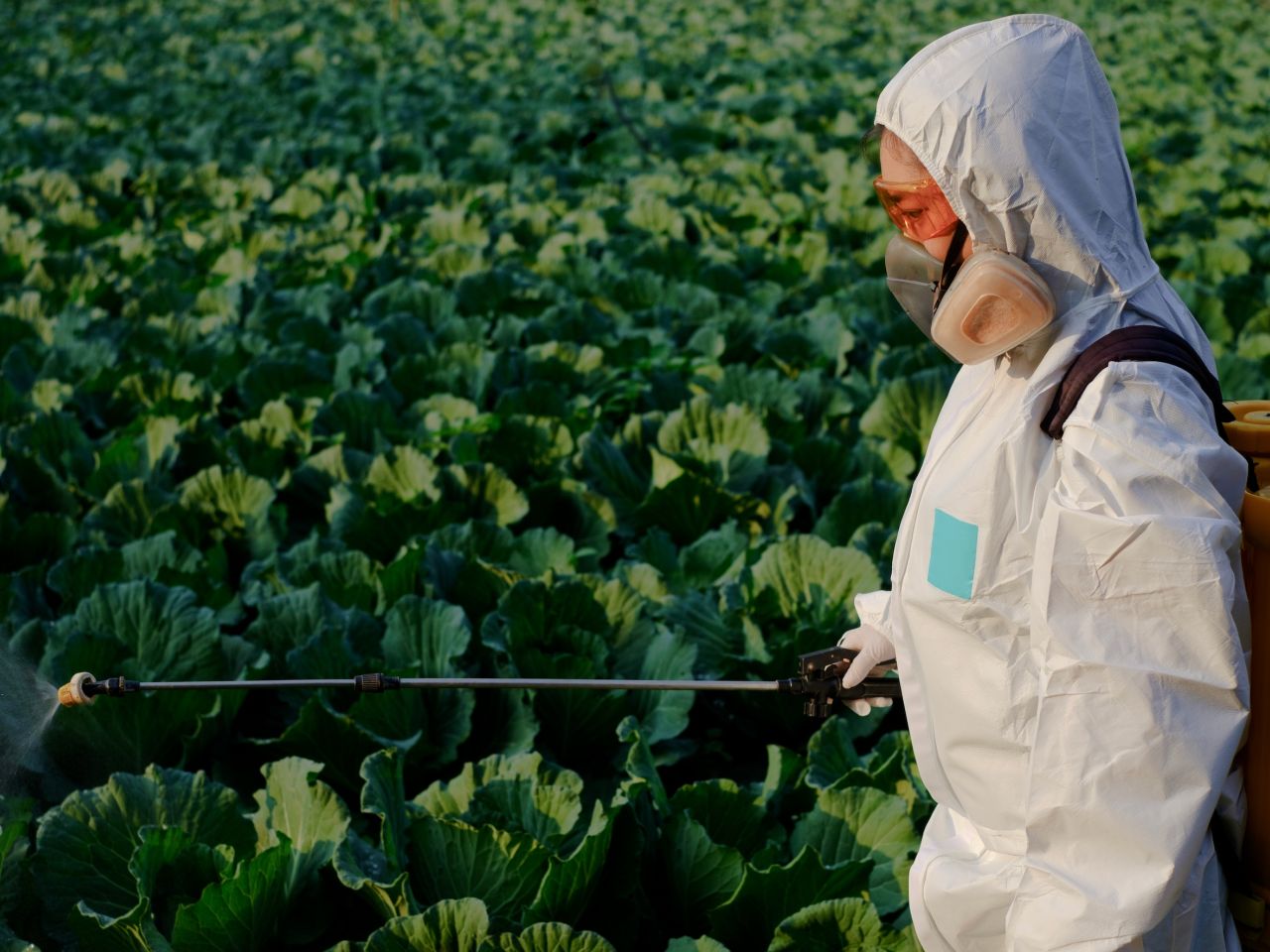
Paraquat is banned in more than 70 countries, but millions of pounds of paraquat are sprayed in the U.S. every year. Paraquat threatens the people who apply the chemical, those who work on farms, and others who live nearby.
BREAKING NEWS

California's Department of Pesticide Regulation announced that all manufacturers of pesticide products containing paraquat-dichloride have voluntarily cancelled their registrations that allow them to sell paraquat in the state.

IT'S TIME TO BAN PARAQUAT
Over 70 countries have banned the pesticide paraquat
Featured video
What is paraquat—and why is it banned in 70+ countries?
Timeline

Research and studies available to the public, along with well-documented federal actions – and inactions – detail more than 60 years of government failure to protect the public from the dangers of the toxic pesticide paraquat. 

Featured video
Farmer battles to ban Paraquat, the toxic weed killer linked to Parkinson's

Meet Larry Wyles, a Pennsylvania farmer and former basketball player, who sprayed paraquat on his farm for years and was diagnosed with Parkinson's disease. Join the Environmental Working Group and The Michael J. Fox Foundation for Parkinson's Research to heed Larry's call on the government to ban Paraquat now. Paraquat is already banned in more than 50 countries, yet is still used in the U.S. today.

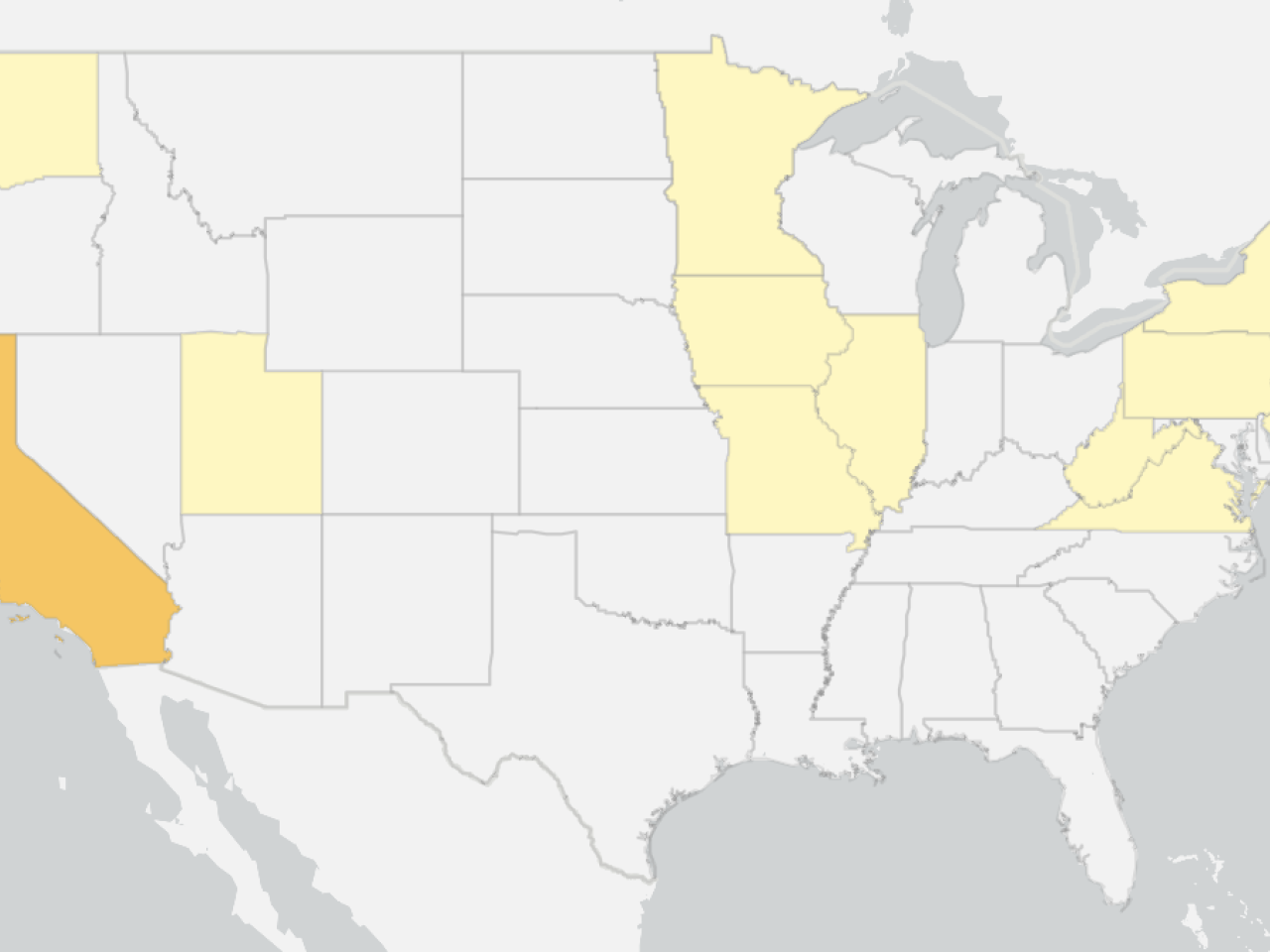
Interactive map

A number of states across the nation are weighing bills and regulatory actions to prohibit use of the toxic weedkiller paraquat entirely or near public schools, signaling growing support for banning the chemical. 

Featured video
Paraquat Doesn't Stay Where Applied. Neither Does the Risk.
Featured video
Why is this product still being used?

While more that 70 countries have banned paraquat, millions of pounds of this dangerous chemical are still being sprayed in the US annually, posing serious threats to agriculture workers and nearby communities.