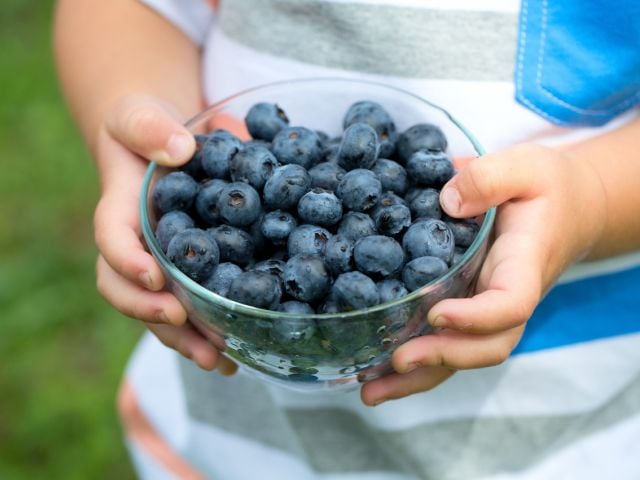
Millions of people rely on EWG's Shopper's Guide to Pesticides in Produce to reduce their exposure to toxic synthetic pesticides used on fruits and vegetables. The alternative is buy organic.
News & Research
Stay informed. Stay healthy.
News
Almost 60% of samples of conventionally grown fruit and vegetables on the Clean Fifteen™ list in the Environmental Working Group’s new Shopper’s Guide to Pesticides in Produce™ had no detectable...
Research
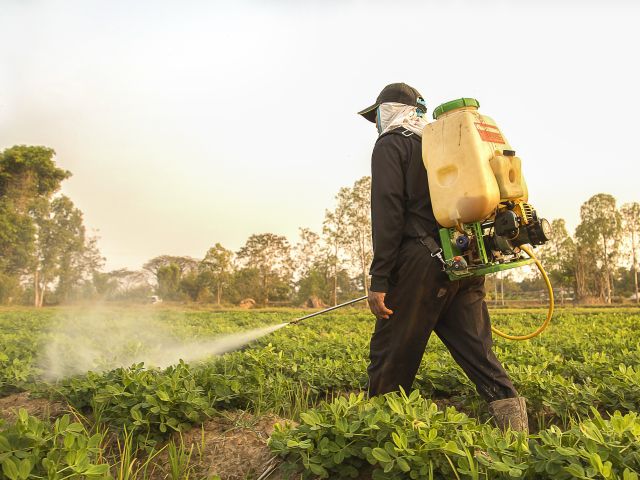
For decades, regulators knew paraquat was harmful but failed to address the risks
Paraquat is a highly toxic agricultural chemical that has been sprayed on fields for decades. Its value as a herbicide was discovered in 1955. It was introduced for commercial use in 1962 and the...
Consumer Guides
The information you deserve to make healthier choices
EWG's 2026 Shopper's Guide to Pesticides in Produce™
Almost 60% of samples of conventionally grown fruit and vegetables on the Clean Fifteen™ list in the Environmental Working Group’s new Shopper’s Guide to Pesticides in Produce™ had no detectable...
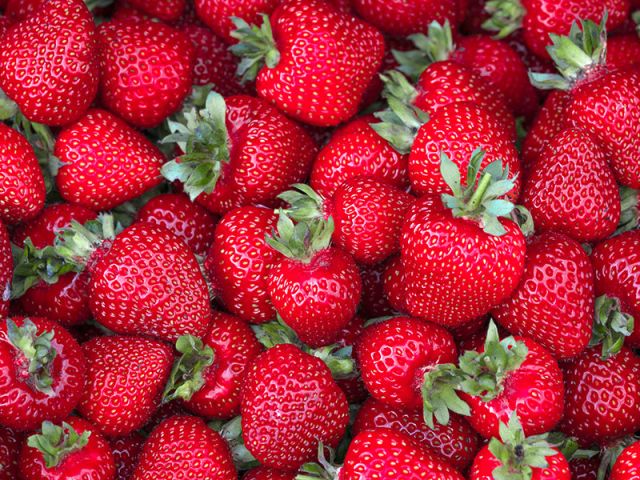
EWG’s guide to washing produce
Washing fruits and vegetables before eating them helps reduce the amount of pesticide residue on produce and improves overall food safety.
For this guide, EWG scientists reviewed dozens of peer...
EWG's Tips for Avoiding Pesticides
Pesticides are chemicals designed to kill living organisms that are considered pests, including insects, weeds and mold.
Even after washing fruits and vegetables, pesticide residues remain on produce...
Take Action
Join our fight
Featured Video
EWG Explains: Fungicides and Citrus
Did you know that popular citrus fruits, like oranges, grapefruit and mandarins, might also come with a dose of hormone-disrupting fungicides?
Topics
Explore related issues