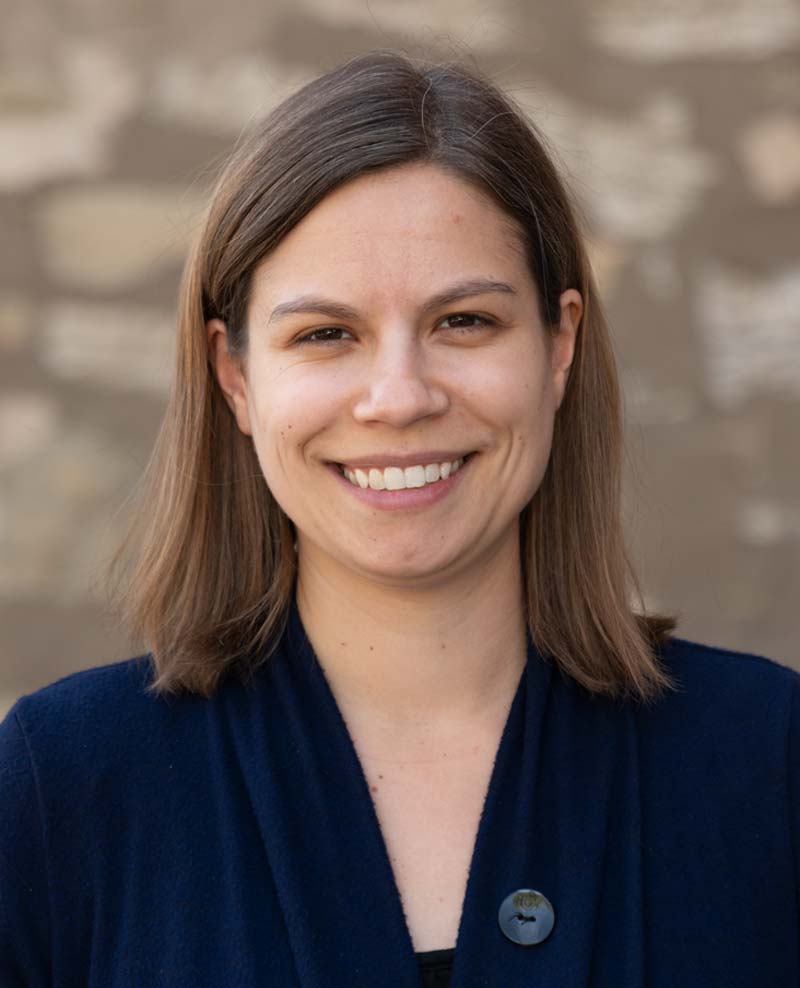
Anne Schechinger

Senior Director, Agriculture & Climate Research

Anne Schechinger leads EWG’s Midwest program, based in Minneapolis. An agricultural economist, she explores farming’s impact on the environment and analyzes how government policies influence farmer decision-making. She also researches the ways policy changes can reduce agricultural pollution.

Anne specializes in row crop and animal-based agriculture’s effect on the environment, climate and public health, along with analyzing and visualizing big data.

During her 12 years at EWG, Anne has analyzed and visualized large data sets from the Department of Agriculture and the Environmental Protection Agency, among other entities, and published more than 30 analyses. She has also briefed federal and state legislators and agency officials, along with nonprofit coalitions, on research findings, translating complex data and insights into actionable policy recommendations.

She is a widely recognized expert in the areas of federal farm policy, especially farm subsidies, conservation programs and the crop insurance program, and in the environmental, climate and public health impacts of agriculture.

Before joining EWG, Anne worked as an analyst at Pioneer, now part of Corteva Agriscience. She holds a bachelor’s degree from Kalamazoo College and a master’s degree from Michigan State University. Her master’s thesis focused on evaluating the economic feasibility of commercializing perennial wheat, a sustainable crop with water quality and climate benefits.
 

External Publications

In The News

A lot of that money will end up going to practices that don’t actually have proven climate benefits. There’s not a lot outside of these federal programs that are going to help farmers reduce their emissions. So if this money isn’t going to the right practices, then agriculture as a whole in the United States is not going to reduce their emissions.

Person Mentioned
Anne Schechinger
The Guardian

[Higher coverage levels were] already highly subsidized and are very expensive for taxpayers. Because they are the largest coverage levels available, the total dollar amounts of subsidy for these policies [are] already often very large.

Person Mentioned
Anne Schechinger
Farm Policy News

Non-IRA, traditional farm bill EQIP money already funds these practices. So USDA could study the practices funded through that source of money to evaluate if they have climate benefits, without sending them funding from the IRA that is only supposed to go to practices that reduce emissions or sequester carbon in soil.

Person Mentioned
Anne Schechinger
Inside Climate News

This tells a compelling story, across all of these things. It’s a clear picture that these larger farms are doing the best and are benefitting the most from government policies.

Person Mentioned
Anne Schechinger
Mother Jones

This part about the money going to agents and companies is especially important because that’s billions of dollars every year not going to farmers.

Person Mentioned
Anne Schechinger
New York Times

There's nothing wrong with the USDA testing these practices this year and seeing if they can quantify how much they reduce emissions, if at all. But we just don't think the IRA money should be going to them until they have proven emissions benefits.

Person Mentioned
Anne Schechinger
NPR's All Things Considered

Only 20% of farms in the U.S. actually participate in the crop insurance program. The majority of crop insurance money goes to just four main crops: corn, soybeans, wheat and cotton. And a lot of the money — 65% —goes to the farmers in just 10 states.

Person Mentioned
Anne Schechinger
Marketplace

Farmers don’t need more sources of revenue. They’re already getting subsidies and crop insurance, not to mention we have high farm incomes generally.

Person Mentioned
Anne Schechinger
Inside Climate News