The agricultural chemical and seed giant Syngenta announced it will stop producing the toxic weedkiller paraquat by the end of June this year.
But this is a tactical retreat, not a public health victory.
Syngenta currently produces paraquat at just one plant, in the United Kingdom. It will cease production of paraquat at the facility before July. But the decision is unlikely to significantly reduce the use of paraquat on U.S. farms, where it remains widely sprayed, despite growing evidence linking it to Parkinson’s disease and other serious health harms.
The reason it may not make much of a difference to use in the U.S. is that other companies will continue to produce paraquat as an active ingredient in herbicides. Globally, 377 companies are registered to produce the generic active ingredient.
China is the largest producer of paraquat due to other companies that manufacture it there, even though the weedkiller’s application is banned in the country. Syngenta is owned by the Chinese state-owned corporation ChemChina.
At least 70 countries have banned paraquat because it threatens the health of people exposed to the chemical. That includes the U.K., where Syngenta has been manufacturing paraquat, and China, where ChemChina is based.
U.S. application of paraquat
Ten million pounds of the active ingredient were applied in the U.S. in 2017, one of the most recent years for which data is available.
In addition to Parkinson’s disease, exposure to paraquat has been linked to non-Hodgkin lymphoma, childhood leukemia and more. Farmers, farm workers and people who live near farm fields sprayed with the pesticide are at greater risk from exposure.
While Syngenta’s decision is a step in the right direction, it said nothing about whether it will continue to sell paraquat-based herbicides, such as Gramoxone, after it has ceased production.
Paraquat is a generic active ingredient used in many herbicides. Because it is generic, over 750 different companies sell paraquat globally. In the U.S., that includes Drexel Chemical Company, Helm Crop Solutions, Anhui Costar Biochemistry, Helena Agri Enterprises, Nanjing Red Sun Biochemistry, Solera and RedEagle International.
Common product or brand names globally with paraquat as an active ingredient
Firestorm | Bonfire |
Parazone | PP148 |
Devour | Gramixel |
Helmquat | Bai Cao Ku |
Blanco | Para-shot |
BoneDry | Quik-Quat |
Gramoxone | Willowood |
Cyclone | Paraquat concentrate |
Crisquat |
|
Business reasons behind the decision
According to an EWG analysis of 2017-2021 data, Syngenta’s Gramoxone accounted for about half the paraquat products applied in California. The other half had been sold by other companies.
Syngenta could continue to sell paraquat but arrange for production by another company once its U.K. manufacturing facility goes offline. Paraquat is a very small portion of the company’s portfolio – less than 1% of Syngenta’s sales globally, according to its recent announcement.
The announcement says business reasons prompted the decision to stop paraquat production. Many other companies sell generic paraquat, and because the herbicide is only a small part of Syngenta’s overall business, they want to focus on more important areas of the business.
One potential motivation not mentioned in Syngenta’s announcement is the thousands of lawsuits it has faced over the links between paraquat and Parkinson’s disease. While the company has begun to settle some of the lawsuits, thousands more remain.
This would not be the first time a chemical company discontinued the sale of a pesticide in response to ongoing litigation. In 2023, the chemical giant Bayer began to remove the active ingredient glyphosate from its residential lawn and garden herbicide products as a direct response to over 100,000 lawsuits.
State action still needed
Syngenta’s tactical retreat does not change national law. The Environmental Protection Agency continues to allow the use of paraquat, despite its own admission of scientific uncertainty regarding drift data. The chemical will still be used on crops throughout the U.S., since other companies sell it.
Because of this regulatory failure, the burden will continue to fall to states to restrict paraquat use on farm fields.
The stakes are significant. Chronic exposure to paraquat increases the risk of developing Parkinson’s disease. One study found people who sprayed paraquat were more than twice as likely to develop Parkinson’s disease as those who applied other pesticides.
And a meta-analysis of 13 studies found a 64% increase in the likelihood of developing Parkinson’s disease from paraquat exposure.
In the U.S., momentum for paraquat restrictions is growing. Thirteen states are currently weighing bills to prohibit the use of paraquat entirely or near public schools, signaling growing support for banning the chemical.
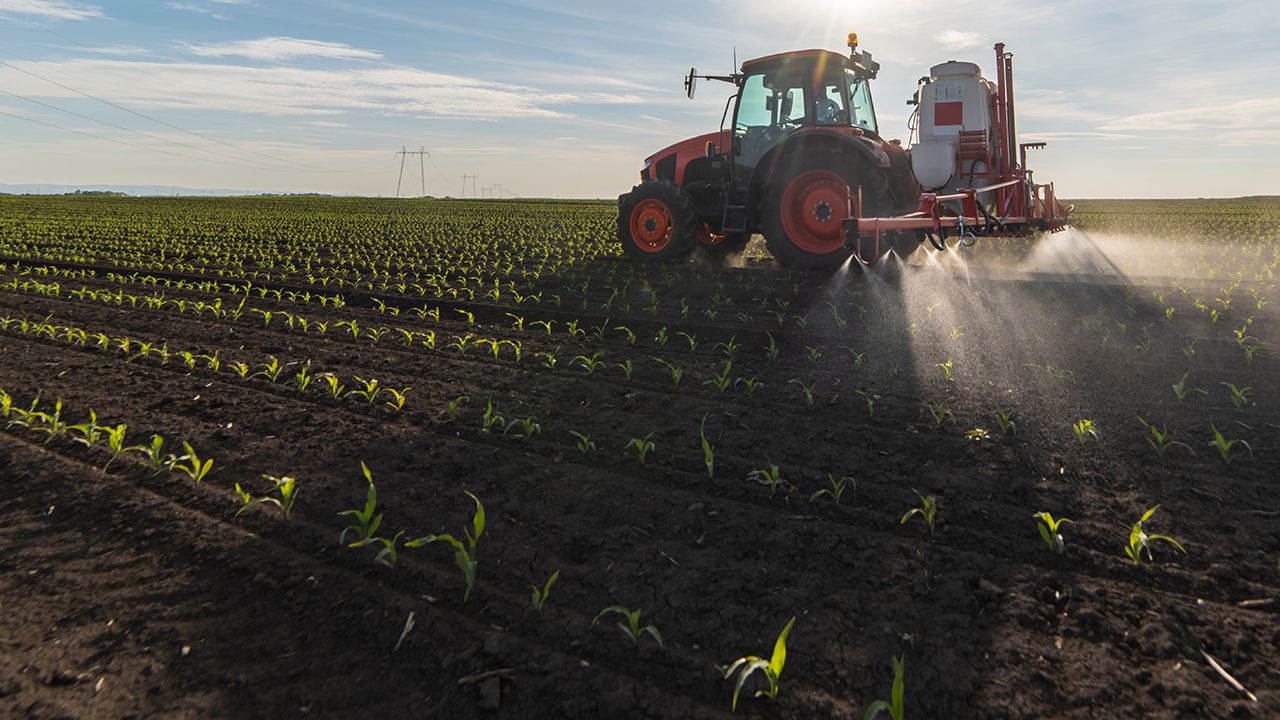
But unless these states ban paraquat, Syngenta’s exit from production will do little to reduce Americans’ exposure. It will keep being manufactured abroad and shipped to the U.S., where it is sprayed on millions of acres of farms across the country.