- A study of 179 men at a fertility clinic tested urine and semen for neonicotinoids, or neonics, and linked higher neonic exposure in semen to lower sperm concentration.
- Eleven neonics or their breakdown products were found in more than 75% of urine samples, and four were found in more than 75% of semen samples.
- A proposed settlement would give the Environmental Protection Agency until April 30, 2027, to decide on revoking legal limits for residues of five neonics on food.
Neonicotinoid insecticides, notorious for their role in the collapse of bee populations, are turning up in human semen and may be linked to lower sperm count, a new peer-reviewed study finds.
Researchers found these pesticides, also known as neonics, and their breakdown products – the compounds the chemicals become in the body – in nearly every study participant.
In urine, 11 neonics or their breakdown products were found in more than 75% of samples, and acetamiprid, one of the most widely used neonics, was found in every one. In semen, four were found in more than 75% of samples, and one, a breakdown product of the neonic dinotefuran, was detected in more than 99%.
It’s just one study of 179 men in China, and the findings are preliminary. The men were partners in couples seeking fertility treatment and they provided samples once. A stronger study would include a comparison group from the general population. But the finding of an association between neonic exposure and semen quality adds to a growing set of studies showing wide human exposure to neonics.
Beyond this study, concerns have also emerged about how that exposure may harm human reproduction and development.
Delay on deciding neonics petition
The prevalence of neonics in humans, combined with the building case for potential health concerns linked to exposure, comes as the Environmental Protection Agency may face a legal deadline for deciding whether to keep allowing five neonics’ residue on food.
In August 2026, the EPA agreed to a proposed settlement with the Natural Resources Defense Council that would set a binding April 30, 2027, deadline to respond to the group’s neonics petition.
That petition asked the agency to revoke tolerances – the maximum allowable amount of a pesticide on food – for five neonics: acetamiprid, clothianidin, dinotefuran, imidacloprid and thiamethoxam.
The study’s findings point to issues the NRDC flagged in its petition: The EPA ignored evidence that harm may occur at low exposure levels, the compounds neonics become can be more toxic than the original chemicals, and people are exposed to several neonics at once.
What did the new study find?
Published in the journal Frontiers in Endocrinology in September 2026, the study was led by researchers at a Chinese fertility clinic and a medical university.
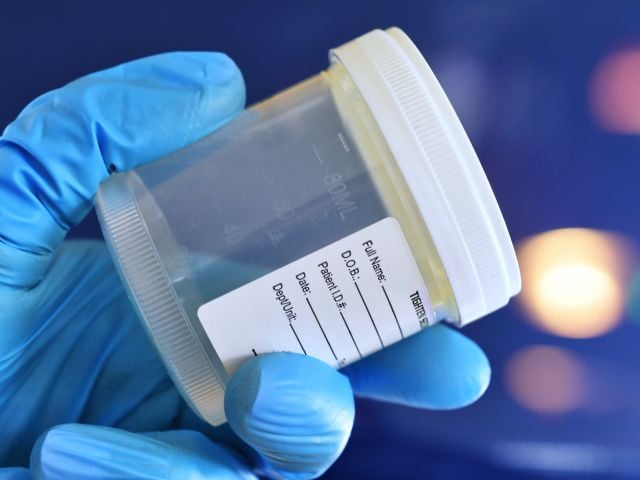
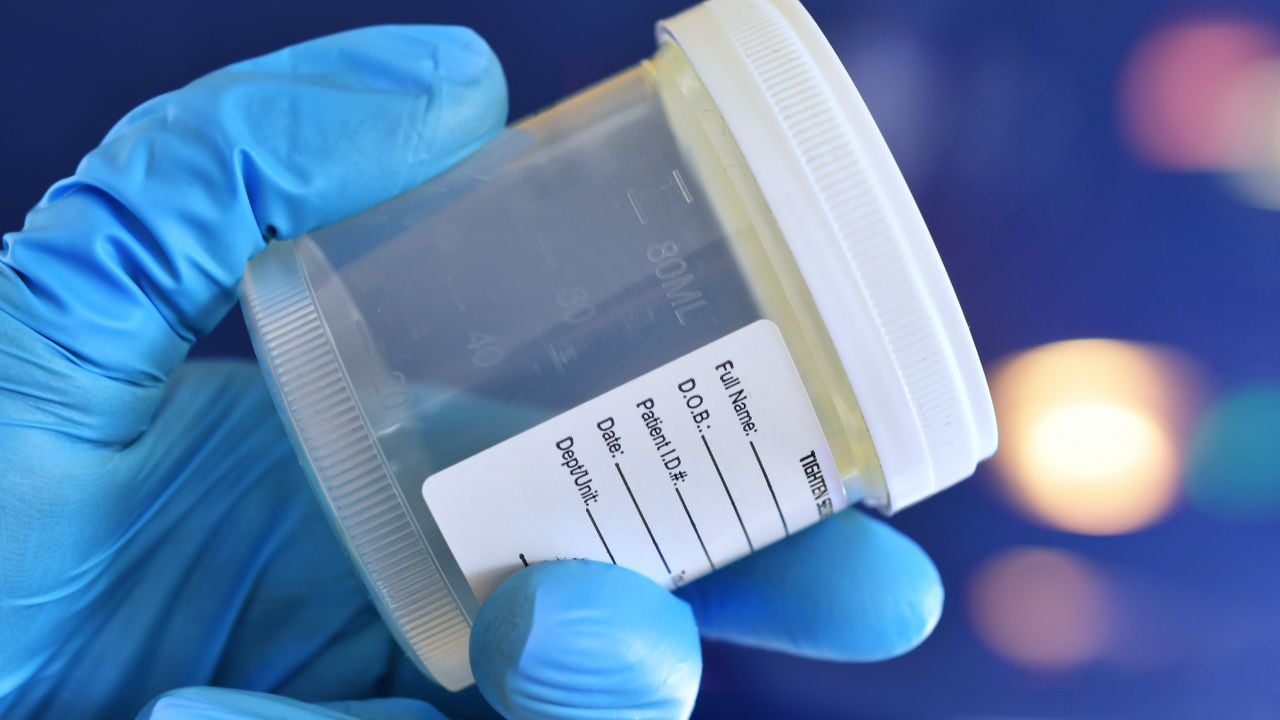
The authors collected urine from 179 men and semen from 173, with 146 men providing both. After testing for 18 neonics and their breakdown products, the researchers detected at least one neonic in almost every sample, though how often each compound turned up varied by neonic and sample type.
Some compounds were found at higher levels in semen than in urine. And levels in urine were a poor predictor of levels in semen, suggesting urine tests alone may miss what’s in semen.
Most previous pesticide exposure studies rely on testing urine. The study’s authors suggest semen may be “a potentially informative matrix for reproductive risk assessment” – meaning it could give a clearer picture of how neonic exposure affects reproductive health.
Two breakdown products in semen were linked to lower sperm concentration, a key measure of sperm quality and male fertility. Looking at the combined effect of all the neonics in semen, higher overall exposure was also associated with lower sperm concentration but not to lower total sperm count, movement or shape.
Why are neonics a concern?
Some human health studies suggest exposure to neonics may harm children and the developing fetus. Biomonitoring studies show that exposure is widespread in children and pregnant people around the world.
In federal biomonitoring from 2015-2016, a neonic breakdown product was detected in the urine of half of kids ages 3 to 5, and their diet may be a primary route of exposure.
The EPA continues to allow the use of these insecticides. But some states are taking action to limit their use, in an effort to protect pollinators.
California’s Department of Pesticide Regulation moved to limit outdoor uses of imidacloprid, clothianidin, dinotefuran and thiamethoxam on most food and feed crops that are attractive to bees and other pollinators. Several other states, including Maine and New Jersey, regulate the use of neonics.
But the U.S. has lagged far behind these states in taking action on neonics, even though bee colony collapse has caused severe economic losses for American beekeepers.
It has also harmed others who rely on bees and other pollinators. For instance, they’re essential for U.S. farmers who grow squash, melon, cantaloupe, apples, almonds and many other crops that need pollination to bear fruit.
Other studies show the extensive use of neonics may not be necessary.
Research published in the journal PNAS in 2021 found that on farms growing corn and watermelon together, integrated pest management – treatment of crops only when pests reach damaging levels – cut insecticide use by 95% while maintaining corn yields and increasing watermelon yields.
EWG and more than 120,000 of our supporters have written to the EPA urging it to ban all unnecessary uses of neonic insecticides in the U.S.
How can I reduce my exposure to neonics?
Because neonics are absorbed into plants, washing produce can’t get rid of their residue on produce entirely. But EWG still recommends washing your produce to potentially reduce the amount of pesticide residue on it.
Other steps you can take to reduce your exposure to these chemicals:
- Check EWG’s Shopper’s Guide to Pesticides in Produce™. The guide identifies the Dirty Dozen™ list of non-organic fruit and vegetables with the most pesticide residues. Neonics can be found on some U.S. produce, including blackberries.
- Choose organic when you can, especially for the produce on the Dirty Dozen. Synthetic neonics aren’t permitted in organic farming.
- Keep eating fruits and vegetables. The health benefits of a diet rich in produce outweigh the risks of pesticide exposure. If organic isn’t available or affordable, non-organic produce is still far better than none.
- Skip neonics at home. Many lawn, garden and pet flea products contain imidacloprid and other neonics. Check labels before you buy, and skip products with neonics.