The agricultural chemical paraquat – potentially fatal, if ingested – stands out as one of the pesticides that are most urgent to ban.
California regulators are weighing whether to prohibit paraquat, a toxic weedkiller linked to a greater risk of developing Parkinson’s disease and other health harms. A recent paraquat spill in the state, leading to shelter-in-place orders, shows a ban is long overdue.
Beyond California, 13 states have introduced legislative efforts to prohibit paraquat. At least 70 countries have banned paraquat due to its health concerns, including China, which manufactures the bulk of the world’s supply of the toxic pesticide.
But at the federal level, the Environmental Protection Agency has a long history of delay. Since the EPA is not acting to protect us, states are poised to take the lead.
Here are six reasons why paraquat is uniquely terrible, and why a ban is long overdue.
1. The most notorious Parkinson’s pesticide
Paraquat stands out among the handful of agricultural chemicals linked to Parkinson’s disease. Chronic exposure to paraquat increases the risk of developing the disease by reducing the number of neurons in dopamine-producing parts of the brain.
Researchers have used paraquat exposure in animals to study Parkinson’s disease.
A study using data from the National Institutes of Health found people who sprayed paraquat were more than twice as likely to develop Parkinson’s as those who applied other pesticides. And a meta-analysis of 13 studies found a 64% increase in the likelihood of paraquat exposure leading to the disease.
2. Other serious health harms
Exposure to paraquat is linked to greater risk of several other serious health problems, not only Parkinson’s disease.
Some other pesticides, when they cause health harms, can affect one organ in particular. Paraquat’s toxicity is more pernicious, since its effect is broader, damaging the lungs, kidneys and brain simultaneously.
Other health problems linked to paraquat include thyroid disease and cancer, childhood leukemia and non-Hodgkin lymphoma.
3. Potential harm to farmers and farmworkers
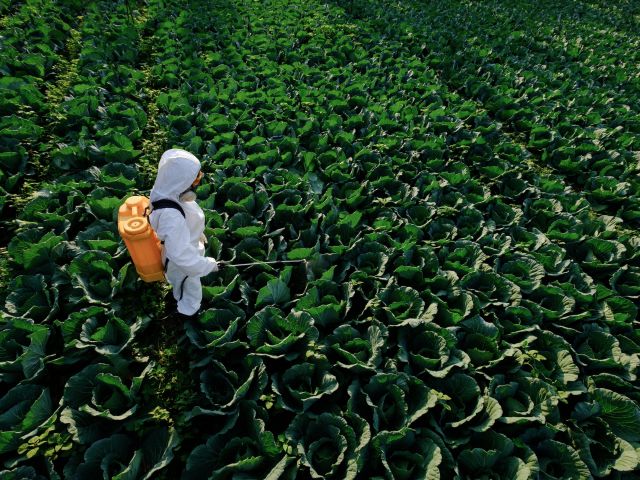
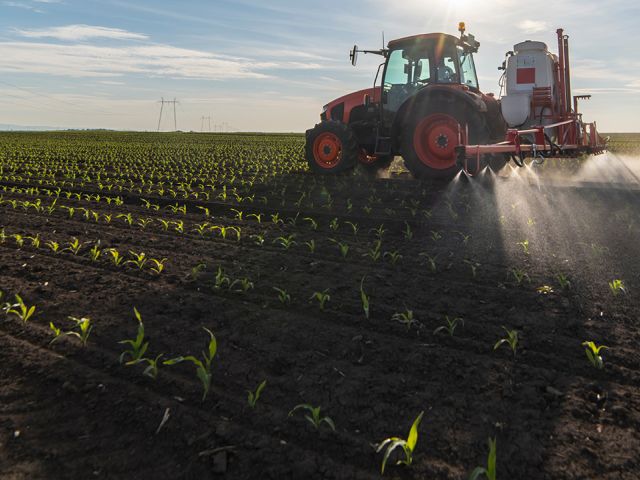
Paraquat is mostly used to clear fields before farmers plant corn, soybeans, cotton, almonds, peanuts, wine grapes and other crops. And the farmworkers applying the weedkiller are exposed to its health threats, largely by inhaling paraquat vapor.
An EWG investigation found growers and spray companies often permit farmworkers to use the harmful chemical in ways that could endanger themselves and those around them.
The investigation shows companies fail to provide emergency supplies for their workers, allow application without the correct equipment, and even permit spraying by untrained and underprepared employees.
EWG’s findings align with studies showing off-label use is common – further highlighting why existing restrictions on paraquat aren’t enough. The only way to ensure safety is to stop using it.
4. Risks to the public from vapor
It’s not just farmers and farmworkers who face health risks. Most recently, findings from UCLA researchers show that people living or working within 500 meters, or about 1,640 feet, of paraquat application could more than double their odds of developing Parkinson’s.
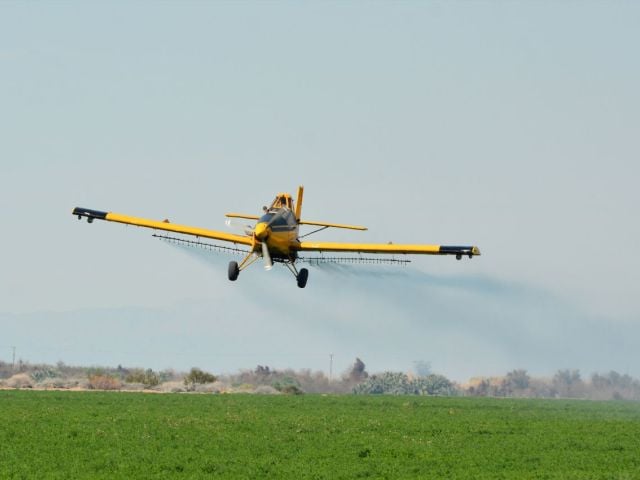
Paraquat doesn’t stay where it’s applied. While much of it ends up in the soil for years, the chemical can also travel through the air.
An EPA review of new test data indicates that paraquat can volatilize more than previously measured and the screening model indicates the potential for exposure to people up to and over 2.7 miles away, much farther than previously thought.
The EPA has requested additional testing data to measure how far paraquat can travel as a vapor volatilization – but action is years away.
5. Danger of accidental spills
In March, a large container of paraquat fell from a truck in the northern California town of Dorris, spilling roughly 60 gallons of the chemical onto a major roadway and into the surrounding community.
Citing the threat of exposure to airborne paraquat releases, officials ordered a lockdown affecting about 600 residents, including those at a local elementary school.
The local sheriff’s department noted paraquat is “a highly toxic herbicide that can be fatal if inhaled or ingested. This chemical can be an airborne risk.”
In 2024, paraquat from a Louisiana farm spilled into a rural water system, prompting a “do not use” warning for the water for about 200 people living nearby.
Communities near farm fields shouldn’t have to worry whether an accidental spill of paraquat will force them to stay in their homes if they want to avoid the chemical’s health risks.
State bans on paraquat could eliminate the danger of spills.
6. Threat of accidental or deliberate ingestion
“One sip can kill” – that’s the EPA’s message about paraquat, which dedicates a site to warning against accidentally or deliberately ingesting the chemical.
Data from 1998-2008 in California found more than 1,400 cases of accidental poisoning because of improper paraquat storage in unmarked bottles, cups and other containers. These poisonings caused at least 50 deaths, with 12 definitively linked to improper storage.
It’s long past time to ban paraquat
The EPA is reviewing the risks of paraquat use. But a final decision by the agency about whether to restrict it, and how, is likely years away.
And the EPA has a long history of failing to act. No wonder eight former EPA pesticide officials recently urged states to ban paraquat.
Even major countries where paraquat is made have banned it. But not the U.S. Waiting for the EPA to act leaves Americans unnecessarily exposed to the toxic herbicide.
That’s why California’s Department of Pesticide Regulation should act swiftly to prohibit paraquat use in the state, and why the 13 states considering legislative bans must push ahead.
The reasons for banning paraquat are clear. Now it’s time to act.