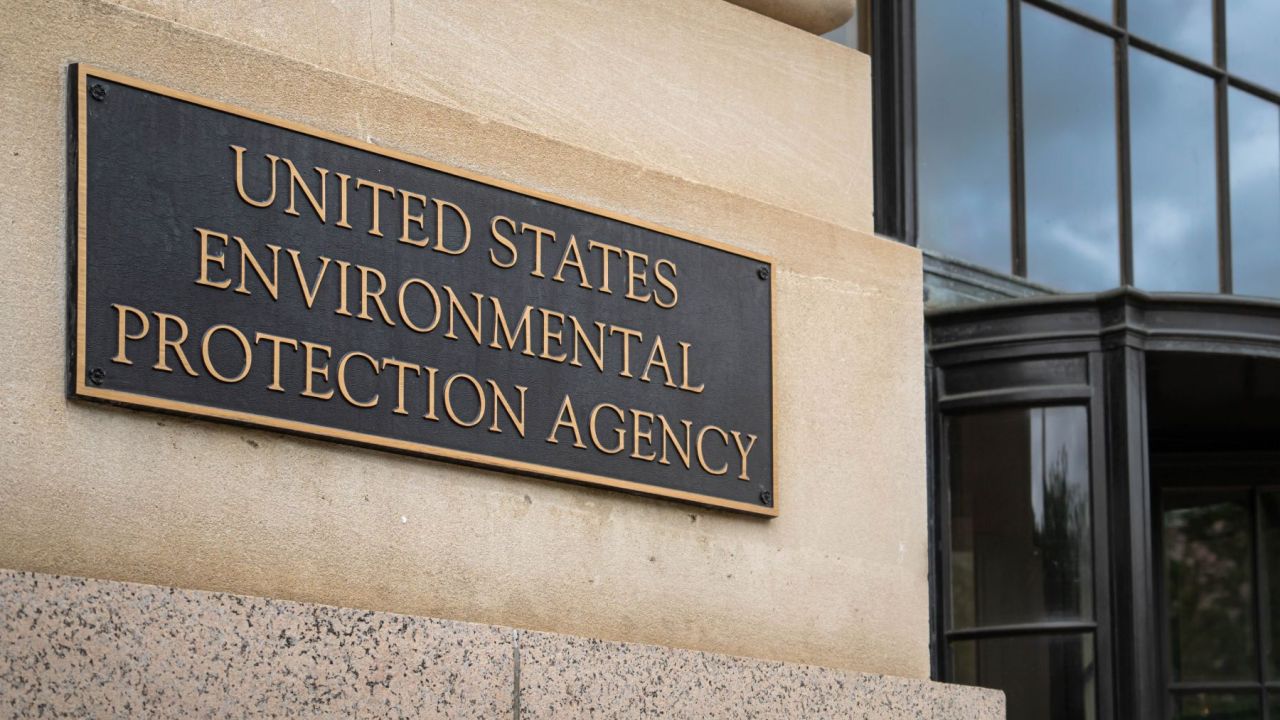
Environmental Protection Agency Administrator Lee Zeldin claims “fake news” to reports spotlighting the agency’s approval of new pesticides made with the toxic “forever chemicals” known as PFAS.
The truth is the EPA’s approval of PFAS pesticides is bad news, especially for the health and well-being of American farmers and consumers.
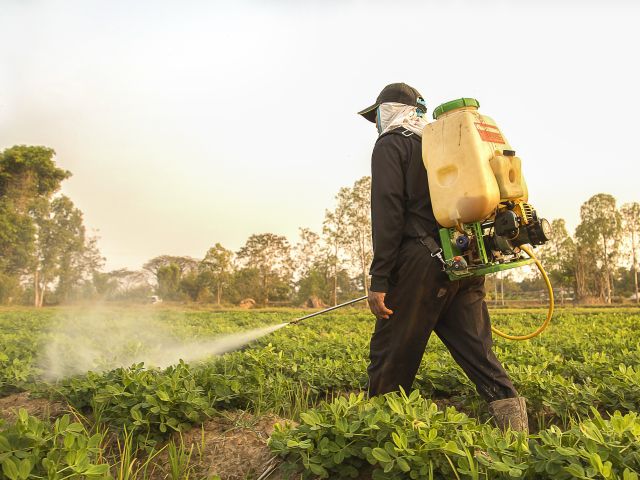
EWG revealed in a recent report that California agricultural fields are sprayed with an average of 2.5 million pounds of PFAS pesticides per year. This widespread use could be contaminating soil, water and produce sold throughout the U.S., exposing millions to potential health harms.
In response to concerns raised over its recent approval of a new PFAS pesticide, days later the EPA issued what it called a “fact check.” The statement claims the agency did not approve a PFAS pesticide – and the chemicals it has allowed for use don’t pose risks to human health.
But the EPA’s response needs its own fact check for fake news – because the way the agency defines PFAS lets it sidestep the fact it’s approved dozens of PFAS pesticides for use in the U.S.
Defining PFAS pesticides
The EPA uses a narrow definition of PFAS that excludes PFAS pesticides it’s recently approved. Under this definition, only three currently approved pesticide active ingredients would be considered PFAS: broflanilide, pyrifluquinazon and noviflumuron.
The current PFAS definition that the EPA is using was established in 2021 during the first year of the Biden administration. This definition does not align with scientific consensus, nor with the definition adopted by other state agencies. It’s a definition that EWG has long pushed back against using, as it fails to fully treat PFAS as a class of chemicals.
In October 2021 EWG along with other organizations in comments to the agency noted that the “EPA’s definition of PFAS is unnecessarily narrow and fails to capture the full list of substances that should be considered PFAS.”
The EPA should instead use the broader definition of PFAS, commonly accepted by the scientific community and the Organization for Economic Co-operation and Development along with many state agencies such as California's Department of Toxic Substances Control, and the state's multi-agency biomonitoring program. This definition says PFAS are chemicals with “one fully fluorinated carbon atom.”
Under this definition of PFAS, the EPA has approved almost 70 PFAS pesticides for use over the years, with more proposed for approval.
There’s nothing fake about that news.
In 2025 alone, the Trump EPA proposed approving four new PFAS pesticides. So far, it has finalized approval for two of the four: isocycloseram, an insecticide for use on crops like grains, peas, tomatoes and oranges, as well as for landscape maintenance, and cyclobutrifluram, a fungicide for turf and seed protection.
Health risks of PFAS exposure
PFAS have been linked to serious health harms. Very low doses of PFAS in drinking water have been linked to the suppression of the immune system and an elevated risk of cancer, increased cholesterol, and reproductive and developmental harms, among other major health concerns.
Millions of acres of farmland and playgrounds sprayed with PFAS pesticides may increase both consumers’ and farmers’ exposure to these forever chemicals.
Growing evidence also shows that some PFAS pesticide ingredients eventually break down into trifluoroacetic acid, or TFA, which is increasingly being detected in groundwater. So far, when it approves new PFAS pesticides, the EPA does not consider potential TFA contamination from all PFAS pesticides.
TFA is also linked to health harms, including liver toxicity.
Earlier this year, Denmark’s EPA banned the use of six PFAS pesticides, citing concerns over TFA contamination of groundwater and potential health harms.
Some states, like Maine and Minnesota, have taken steps to track or ban PFAS pesticides in recent years.
Both use the “one fully fluorinated carbon atom” definition when identifying PFAS pesticides, putting newly EPA-approved pesticides out of step with state laws.
EPA criticizes organic farming
Anyone concerned about exposure to PFAS pesticides should not reduce consumption of produce in an attempt to avoid pesticide residues. The health benefits of fruit and vegetable consumption outweigh the risks of pesticide exposure.
Consumers may be able to find other ways to reduce their exposure to pesticides on produce, including by choosing organic options when possible.
But the EPA in its “fake news” fact check couldn’t resist not only attacking those concerned about its approval of PFAS pesticides but also criticizing organic farming.
The agency’s statement says, without any citations, that “some organic-approved pesticides have higher toxicity profiles than modern synthetic alternatives” – that is, they’re more hazardous to health.
This sweeping unsubstantiated statement fails to mention that organic certified farms can only use pesticides approved by the National Organic Program, and that they used only if a number of other pest management practices are not effective.
Allowing more PFAS pesticides – and disparaging safer organic alternatives – won’t make America healthy again. And contaminating our farmland with persistent forever chemicals won’t help the farmers who feed us.