Some members of Congress are pushing a sweeping repeal of hard-won safeguards for service members, veterans and defense communities against the widespread health and environmental harms of the toxic “forever chemicals” known as PFAS.
The rollback would deliberately gut the very protections intended to shield the people who put their lives on the line for the U.S.
The reversals are part of the pending National Defense Authorization Act, or NDAA, for fiscal year 2026. If enacted, they would undo a ban on purchasing and use of firefighting foam made with PFAS and set a new low for funding of toxic site cleanups, among other changes.
The effort adds to the Environmental Protection Agency’s ongoing push to scrap vital PFAS drinking water standards, further eroding health protections that were secured only after years of bipartisan congressional support.
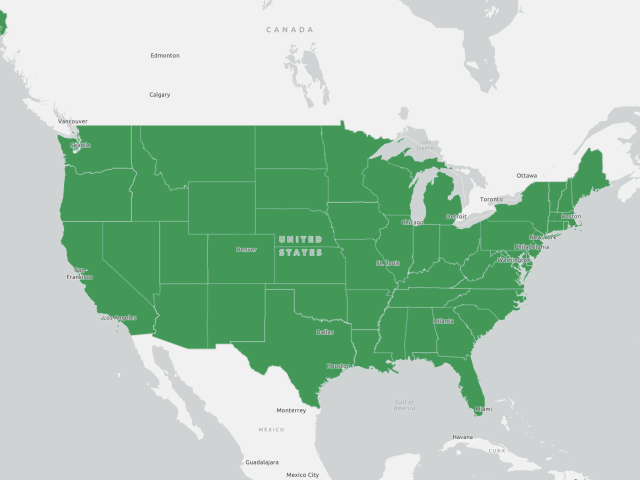
PFAS have already been detected in the groundwater of 630 military installations. More than 30 Defense Department sites continue to detect PFAS in drinking water served to troops and their families at levels that exceed the EPA’s health-based limits.
The health risks of PFAS exposure – cancer, damage to the immune system and more – are well-known.
Yet instead of strengthening safeguards, Congress and the White House are moving to weaken them.
A series of dangerous rollbacks in the NDAA include:
- Extending military use and purchase of firefighting foam made with PFAS. The House version would delay the phaseout of aqueous film-forming foam, firefighting foam, by extending a deadline to end the purchase and use of these firefighting foams made with PFAS and allows the military to seek additional extensions. (Section 313)
- Lifting a moratorium on incinerating PFAS foam. The Senate NDAA would end a pause on the incineration of PFAS-contaminated firefighting foam and contaminated waste – despite evidence that burning the foam and waste can spew PFAS into the air upwind of surrounding communities. (Section 319)
- Cancelling a ban on PFAS in everyday products. The Senate version would let the Pentagon to once again buy products like cookware, carpets and other everyday items made with PFAS. (Section 318)
- Slashing PFAS cleanup spending by almost $200 million. The current Senate and House defense spending bills cut $186.4 million from cleanup of contaminated sites compared to FY 2024.
Taken together, these proposed rollbacks of protections for service members, their families and communities near military sites represent a colossal breach of trust.
And the policy changes would build on these Trump administration efforts to weaken PFAS rules:
New EPA drinking water standards for PFAS on military bases would be undermined. The EPA has proposed a delay of new drinking water standards for two of the most notorious PFAS, PFOA and PFOS.
It also plans to quash the standard for PFHxS, which was detected above legal levels in the tap water served to military families living on at least 10 military bases from 2023 through 2024.
At least 30 installations in recent years have found PFAS served to service members above the proposed legal limits.
- Weakened drinking water standards would threaten base cleanup projects. The cleanup process used at PFAS contaminated military sites uses the EPA drinking water standards to help plan cleanup specifics. Should the standards be rolled back or undercut, cleanup at some sites could be delayed or avoided entirely. Nearby communities would continue to be exposed.
Service members disproportionately exposed
Military service members, their dependents and members of defense communities are disproportionately and excessively exposed to toxic chemicals, including PFAS, and their health harms.
PFAS are known as forever chemicals because they build up in our bodies and never break down in the environment. The Centers for Disease Control and Prevention has detected PFAS in the blood of 99% of Americans, including newborn babies.
Very low doses of PFAS have been linked to suppression of the immune system. Studies show exposure to PFAS are linked to health harms including testicular, kidney, liver and pancreatic cancer; also harm fetal development, weakened childhood immunity; low birth weight; reduce vaccine effectiveness; endocrine disruption; increased cholesterol; and weight gain in children and dieting adults.
In 2023, the Department of Veterans Affairs estimated that 43% of the veterans it screened had been exposed to toxic chemicals, including PFAS, during military service. Many of these toxic chemicals have been linked to serious health harms, including cancer and harm to the reproductive, immune and nervous systems.
Service members are routinely exposed not just to PFAS but also to:
- Trichloroethylene, which is known to cause cancer and to cause fetal heart defects
- Perchloroethylene, a likely carcinogen that is also linked to neurotoxicity and liver effects
- Polychlorinated biphenyls, which are known to cause cancer, immune system harm and reproductive damage.
Studies show service members are more likely to suffer from exposure to toxic chemicals than the general population.
One recent study of the banked blood of military firefighters linked higher levels of PFAS with increased risk of testicular cancer. Another recent study found fighter pilots faced higher risk of testicular, prostate and skin cancer. Other studies have noted breast cancer rates up to 40% higher for female service members and veterans than for the general population.
Overall, toxic chemicals, including PFAS, are still present in the soil, water and groundwater at more than 4,500 sites at current and former military installations.
DOD downplays risks of toxic exposures
The Pentagon has consistently minimized the risks of PFAS and other toxic chemicals.
The military has routinely failed to alert service members about contamination on military bases and refused to monitor the presence of chemicals in their bodies. The Pentagon’s Inspector General confirmed these failures in 2021.
According to the Government Accountability Office, the military has consistently withheld critical information from Congress about the true cost of cleaning up contaminated sites.
An EWG analysis found the DOD underestimated the scale of risks facing service members, including the number of pregnant service members who may be threatened by PFAS. EWG found the Pentagon didn't consider prior drinking water exposure and ignoredwell-documented health harms caused by PFAS.
Threats to defense communities
Analyzing military records, EWG found off-base drinking water wells at 63 military bases in 29 states were polluted with PFOA and PFOS above the cleanup levels recently set by the EPA.
But instead of addressing the PFAS contamination, a Pentagon memo set its own threshold three times higher than the new federal limits set by the EPA, leaving the Pentagon duty-bound to provide clean drinking water only to communities above its self-applied threshold.
That’s a situation many find themselves in – all those relying on off-base wells near at least 31 military bases, wells where PFAS have been detected above EPA standards but below the Pentagon’s action level.
The same water classified as unsafe by the EPA that falls below the threshold of the DOD recent cleanup commitment leaves the military community at those 31 bases or more – in 22 states – without access to safe water.
Cleanup costs balloon after decades of delay
The estimate for cleaning up the backlog of toxic contamination at current and former military installations has swollen to more than $51 billion.
That total has almost doubled since the Pentagon first started investigating PFAS contamination when the cleanup backlog cost stood at $27 billion.
But even as the backlog has rapidly increased, the DOD’s annual cleanup budget, when adjusted for inflation, has fallen to the lowest level in 30 years. The Pentagon’s spending dedicated to cleanup has fallen from 1% of all spending to just 0.2% of the total defense budget.
The enactment of the fiscal year 2026 NDAA’s proposed spending cuts to the Pentagon’s cleanup programs would mark a new low – when adjusted for inflation – in spending appropriated for cleanup.
For years, Republicans and Democrats alike fought to protect their constituents from PFAS contamination at military sites. But now those efforts are being reversed, at the expense of our first line of defense – the very people who serve and defend all Americans.