EWG educates people about the health risks of toxic pesticides and how to reduce exposure – in our food, our homes and our communities.
News & Research
Stay informed. Stay healthy.
News

Research

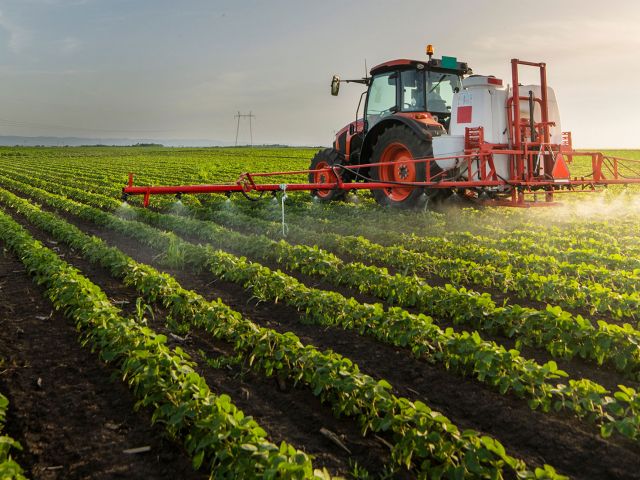
Nearly 7M U.S. school students may be exposed to pesticides used to treat crop fields
Nearly 20,000 U.S. public elementary and middle schools sit within a quarter-mile of crop fields where harmful pesticides may be sprayed, a new EWG analysis finds. Almost 7 million students attend...
Featured research
The information you deserve to make healthier choices

Consumers too often lack basic information about pesticides used in their homes, communities and in food, and lack meaningful protections when those chemicals put their health at risk.
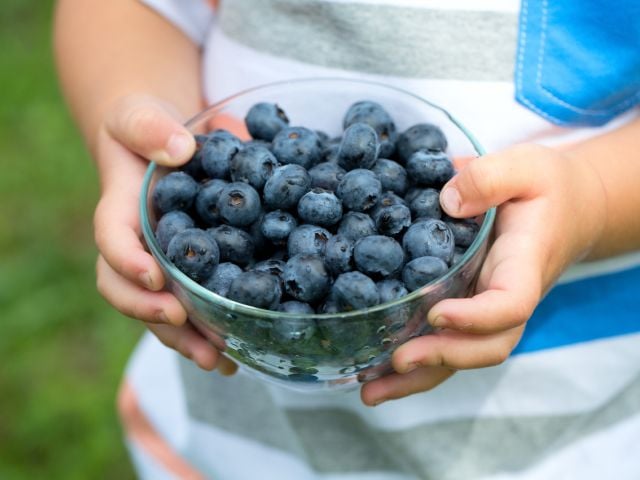
Almost 60% of samples of conventionally grown fruit and vegetables on the Clean Fifteen™ list in the Environmental Working Group’s new Shopper’s Guide to Pesticides in Produce™ had no detectable pesticide residues.

Washing fruits and vegetables before eating them helps reduce the amount of pesticide residue on produce and improves overall food safety.
Featured Video
EWG Explains: Fungicides and Citrus
Did you know that popular citrus fruits, like oranges, grapefruit and mandarins, might also come with a dose of hormone-disrupting fungicides?
Topics
Explore related issues