WASHINGTON – Today the federal government published new dietary guidelines that urge Americans to pump the brakes on eating highly processed foods – often called ultra-processed food, or UPF.
Research continues to show that diets high in UPF are linked to increased risk of developing chronic illnesses like Type 2 diabetes, depression, and heart, kidney and gastrointestinal diseases.
The following is a statement from Sarah Reinhardt, Environmental Working Group dietitian and senior strategic campaign director for food systems:
When it comes to ultra-processed food, the guidelines point us in the right direction. We don’t have to know everything to know some things, and we already know that ultra-processed foods high in refined grains and added sugar are contributing to chronic disease.
This is an urgent public health problem. America leads the world in the consumption of UPF. Kids now get more than 60% of their calories from UPF and for adults, it’s more than 50%.
We need to start somewhere to tackle this problem. Cutting back on refined grains and sugar-sweetened foods and drinks alone would go a long way toward improving public health.
States lead the charge in addressing the risks of UPF. Last year, California’s Gov. Gavin Newsom signed a historic law, authored by state Assemblymember Jesse Gabriel (D-Encino), to legally define UPF and phase out the most harmful of them from public school meals. Lawmakers in dozens of other states have introduced or passed laws targeting a range of harmful chemicals and additives in the food supply.
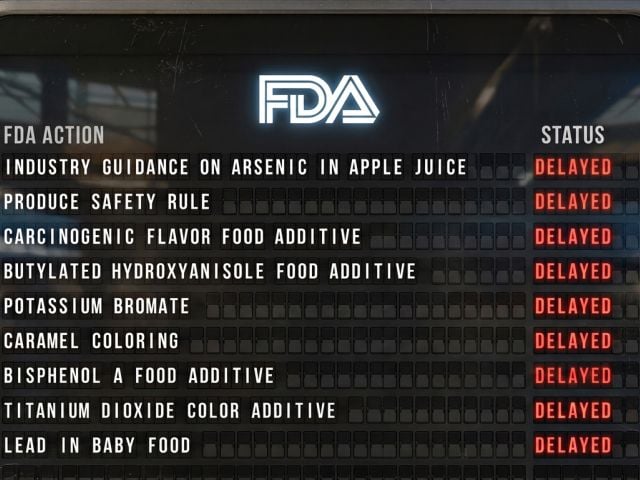
By contrast, the Food and Drug Administration has yet to define UPF or require front of package disclosures, making it difficult for consumers to even identify these foods. The FDA has also failed to narrow a loophole allowing new chemicals into food without thorough review or to initiate a “post-market” review of the chemicals Americans are already eating.
For consumers looking to avoid UPF, EWG recommends reading ingredient lists and avoiding those that contain artificial colors, flavors or sweeteners. EWG’s Food Scores can help to identify healthier choices based on nutrition, ingredients and processing.
###
The Environmental Working Group (EWG) is a nonprofit, non-partisan organization that empowers people to live healthier lives in a healthier environment. Through research, advocacy and unique education tools, EWG drives consumer choice and civic action.