Protein used to be the domain of bodybuilders and fitness fanatics. Now it’s everywhere: high-protein claims on Doritos chips, Dunkin’ Donuts lattes, breakfast toaster pastries and even pints of ice cream.
There is even, somehow, “high performance man cereal” packed with protein.
The protein powder market has become a more than $20 billion dollar industry, and demand for whey protein is so high that food and beverage companies may soon face a shortage.
But more isn’t always better. And not all protein sources are the same.
Despite mountains of marketing claims suggesting otherwise, we are not all walking around with protein deficits. In fact, some protein products being sold as a silver bullet for better health may pose their own risks.
American diets have a problem – but it’s not protein
Many of us don’t need to worry about getting more in our diets. The average U.S. adult’s consumption exceeds daily protein recommendations.
But some groups may benefit from a protein boost, including older or postmenopausal adults, pregnant or lactating individuals, athletes engaging in resistance or endurance training and, potentially, people taking GLP-1 medications.
Foods like beans, lentils, nuts, seeds and whole grains can provide protein, along with another nutrient few people get enough of: fiber. More than 90% of women and 97% of men fall short of recommended daily fiber intake, around 25 to 38 grams per day. Diets low in fiber are linked to higher risk of heart disease, Type 2 diabetes and colorectal cancer.
A bonus of foods high in both protein and fiber: They are often more affordable than traditional protein sources. For example, a cup of cooked lentils contains about 18 grams of protein and 16 grams of fiber – often for less than a dollar per serving.
Concerns about supplements’ safety
Much of the protein boom is driven by the marketing of protein powders.
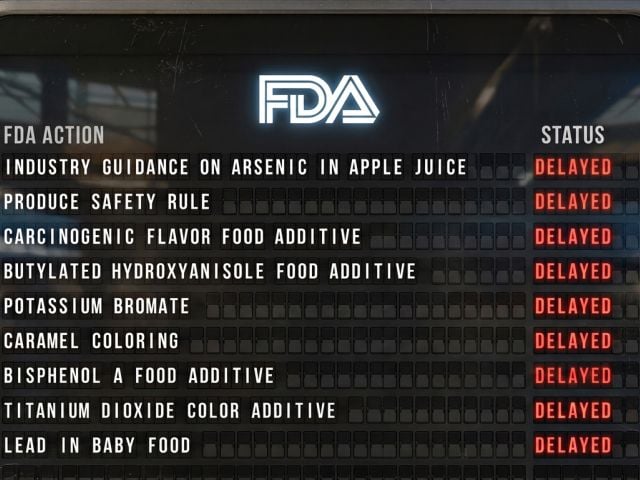
These are classified as dietary supplements, so the Food and Drug Administration doesn’t regulate them the same way as food and drinks. Companies themselves are responsible for verifying the health and safety of their products.
Potential contamination of protein powders is also a significant concern. A 2025 Consumer Reports investigation found detectable lead in nearly every sample of protein powder and shake tested. Some single servings contained enough lead to cause a woman of childbearing age to exceed the FDA’s recommended daily limit for lead from food.
Another study revealed that nearly half of protein supplements tested exceeded at least one state or federal safety limit for lead, cadmium, mercury or arsenic.
Many brands also contain artificial food dyes, sweeteners and other highly processed ingredients that offer no nutritional value and may be linked to other health harms.
Ultra-processed protein products
New products boasting added protein should also give you pause.
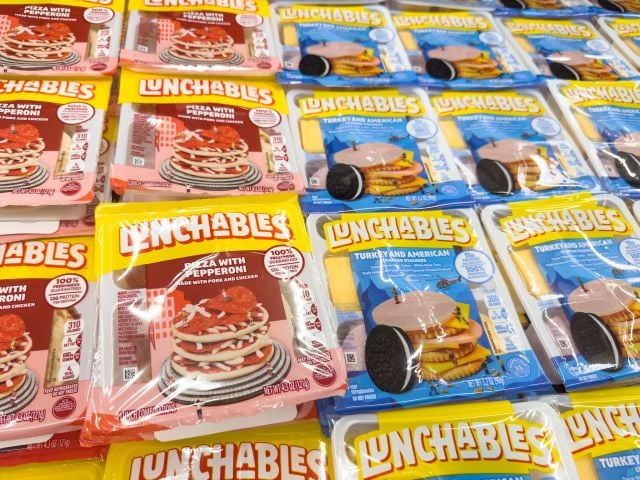
Many snacks, drinks and desserts now boasting protein claims – from chips to cereals to flavored coffee drinks – are ultra-processed.
Ultra-processed foods, or UPF, are industrially manufactured products that contain colors, additives or ingredients not commonly found in home kitchens. In the U.S., these foods make up more than two-thirds of children’s diets and more than half the typical adult diet.
Leading health experts now consider UPF a key driver of chronic disease, including Type 2 diabetes, depression, and heart, kidney and gastrointestinal diseases.
Extra protein in an ultra-processed product doesn’t reduce any of these risks. It’s also unlikely to provide other beneficial nutrients, like fiber, found in minimally processed or whole foods.
What you can do
Consumers shouldn’t have to figure all of this out alone.
Companies should be required to routinely test supplements like protein powders and disclose the results, including any findings of heavy metals in powders, shakes and bars.
States like California have already successfully adopted these requirements for baby food. By reducing contamination levels in many product categories, they showed that transparency drives cleaner sourcing and safer manufacturing.
Last year, California also signed landmark legislation to ban the most harmful UPF from public schools. Now, California lawmakers are considering a state-run non-UPF certification program to make grocery shopping easier for concerned consumers.
In the meantime, people looking to learn more about their protein sources can use EWG’s Food Scores to identify nutrition, ingredient and processing concerns in more than 150,000 foods. Food Scores also flags unhealthy UPF and can help you identify alternatives.
Or if you’re on the go, EWG’s Healthy Living app puts that information in your pocket while you shop.