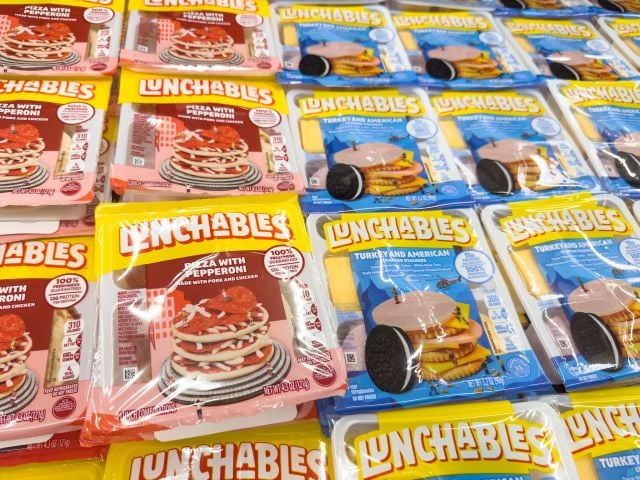
EWG submitted comments to the California Office of Environmental Health Hazard Assessment, expressing support for the OEHHA’s conclusion that synthetic food dyes may cause or exacerbate neurobehavioral problems in some children.
Related News
Continue Reading
How to speed-read a nutrition label in three steps (or less)
Sometimes food labels are so complex it feels like you need a degree in food science to go grocery shopping – especially if you’re trying to eat less ultra-processed food, or UPF.
Typically made in...
How a new House bill could gut state protections from harmful chemicals
State bans on toxic chemicals – including cancer-causing formaldehyde in children’s products and the “forever chemicals” known as PFAS in clothing and other consumer products – are under threat from...
At EPA and FDA, Zeldin and RFK Jr. celebrate a year in office – while public health suffers
Friday the 13th is supposed to be unlucky – and for Americans’ health, it may be just that.
That’s because it marks the anniversary of Robert F. Kennedy Jr.’s swearing-in as health secretary. It also...
Nearly three-quarters of U.S. baby foods are ultra-processed, new study finds
Most baby food sold in U.S. grocery stores is ultra-processed, a new study finds, raising fresh concerns about what many infants and toddlers are eating during a critical window of development.
The pee...