Every week, federal investigators track between 17 and 36 foodborne illness outbreaks that can cause extreme sickness and even death. Industrial livestock farming, also known as factory farming, is a main cause.
In 2019, the most recent year with complete data, the U.S. saw almost 10 million cases of foodborne illnesses, including almost 1,000 deaths, from E. coli, salmonella and other bacteria, according to the Centers for Disease Control and Prevention.
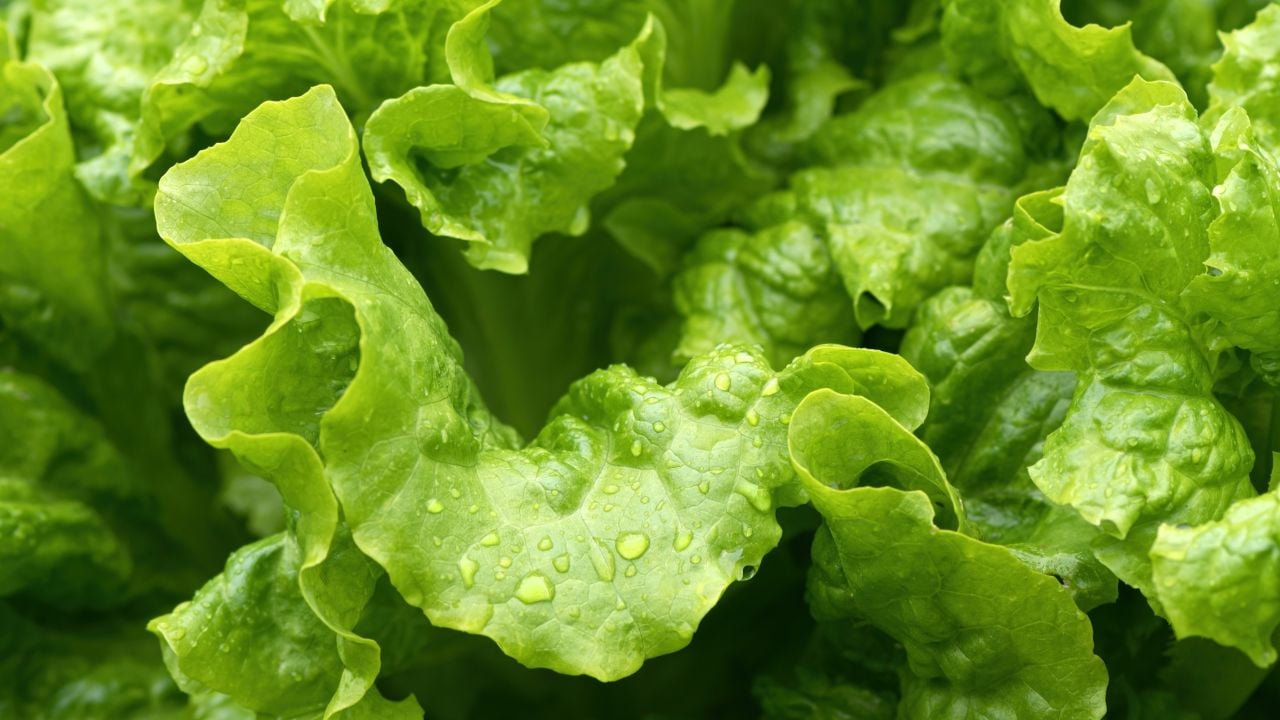
The harmful bacteria can contaminate raw produce like cantaloupe, lettuce, and onions or more highly processed foods like meat, poultry and ice cream.
One cause is the way large factory farms operate, including their management of the waste they generate, says the Food and Drug Administration.
Livestock waste can harbor many different types of bacteria, including a strain of E. coli that is particularly dangerous for humans. When bacteria from animal waste contaminate nearby fruit and vegetable crops, the people who eat them can get seriously sick.
Bacteria in wildlife waste and human waste sludge can also contaminate food.
Stronger FDA policies could reduce the number of foodborne illness outbreaks and better protect the health of us all.
Animal waste is more than a nuisance
Factory farms are large, concentrated facilities and feedlots that produce livestock for meat, eggs and dairy products.
In the U.S., over 90% of farm animals are raised in these facilities. If you have eaten meat in this country, you’ve almost certainly consumed some from a factory farm. Hundreds, sometimes thousands, of cattle, swine, chickens, turkeys and other animals are raised in large buildings called barns, or open feedlots for cattle.
Lots of animals produce lots of manure. EWG found in 2020 that the animals in Iowa’s largest livestock facilities alone produced nearly 70 times the amount of fecal waste Iowa’s entire 3 million human population generated in the same period.
That waste is more than an inconvenience. It contains hormones, heavy metals and bacteria, including fecal coliform, E. coli, salmonella and listeria. It can also contain pathogens like giardia and pharmaceuticals such as antibiotics.
How factory farms can cause foodborne illness
There are two main ways bacteria from factory farms ends up on the fruits and vegetables we eat.
First, manure can contaminate the irrigation canals that run past feedlots, either by washing directly into the water or by blowing in contaminated dust particles from the feedlot through the air.
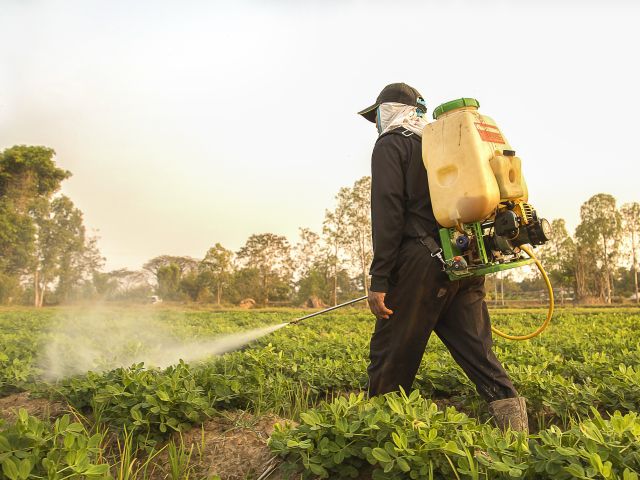
Without knowing whether the water is contaminated, produce farmers use it in the canals to irrigate their crops or mix it with pesticides before spraying it on crops.
Second, bacteria-laden dust from feedlots can drift onto nearby fields and settle directly on crops. Though this pathway seems to be less common, it is especially alarming, because dust particles can travel many miles through the air.
Once harvested, contaminated produce can get shipped almost anywhere in the U.S. and beyond – then sold and eaten.
Deadly E. coli outbreak in Arizona
A striking example of how a factory farm likely triggered a major outbreak: the deadly 2018 E. coli contamination of romaine lettuce from Yuma County, Ariz. Five people died and many more were sickened after eating lettuce grown in the region.
The FDA found that the E. coli strain that originated on lettuce from 36 fields on 23 farms was also found in an irrigation canal near one cattle feedlot: McElhaney Feedyard, a facility located close to much of Yuma County’s lettuce farmland.
A pool of cattle manure and wastewater at the feedlot sat within just a few feet of an irrigation canal (represented by the blue line), creating a contamination risk. (See Image 1.)
Image 1. A manure and wastewater pit that is very close to an irrigation canal at McElhaney Feedyard

Source: EWG, from Department of Agriculture National Agriculture Imagery Program, 2021 imagery
The problem isn’t limited to factory farms in Arizona.
It’s a risk wherever these facilities exist, especially in states that grow much of the produce consumed in the U.S. – like California, where farmers cultivate more than one-third of the nation’s vegetables and three-fourths of its fruit.
A recent EWG analysis found that 42% of California’s large factory farms are located within a quarter-mile of a waterway commonly used for irrigation. Some are only feet away. One cattle feedlot was situated just 35 feet from a canal.
What the FDA can do to make food safer
Protecting yourself is harder than it sounds. Bacteria can contaminate both organic and conventionally grown produce. And studies show that washing lettuce, for example, does not significantly reduce E. coli – so even careful consumers can still get sick.
That’s why it’s so important for the FDA to protect people from bacterial outbreaks on food.
A practical first step would be to require tests of irrigation water to catch harmful bacteria and prevent it from getting onto crops.
After a series of E. coli outbreaks linked to leafy greens in the early 2000s, the FDA was required to set water safety standards for farms. While these rules, finalized in 2024, require farmers to assess the risks to their irrigation water, they don’t mandate water testing. This gap in oversight leaves farmers to mitigate their risk themselves.
Other federal agencies, such as the Environmental Protection Agency, could also more rigorously monitor farm manure management.
Foodborne illness is not inevitable. It’s a public health problem the FDA and EPA have the tools to address, preventing millions of illnesses and saving lives.