A special health journal issue on ultra-processed food, or UPF, calls for bold policy action to address the growing public health crisis – and that efforts focused solely on personal responsibility are likely to fail.
The collection of 17 studies and editorials, just published in the American Journal of Public Health, brings together breaking research on the health harms of UPF.
The issue also sheds light on the tobacco industry’s lasting negative impact on today’s food landscape. It also shows why it might be time to start treating UPF with the same public health concern as tobacco, and shares policy and legal strategies that can help.
Health harms of UPF keep piling up
These studies add to a robust body of evidence linking UPF to chronic diseases like cancer, depression, Type 2 diabetes, and heart, kidney and gastrointestinal diseases.
One study provides new evidence that UPF could contribute to cognitive decline in older adults. It found that people who consumed the highest amount of UPF were at 58% higher risk of dementia, compared to those who consumed the lowest amount of UPF.
Researchers also call out the threats to public health from the UPF industry, which drives global plastic pollution, environmental degradation and greenhouse gas emissions.
Tobacco research reshaped the U.S. food system
Multiple studies published in the special issue reviewed internal tobacco industry documents to reveal how it transformed the U.S. food system – for the worse.
In the 1980s, major tobacco companies like R.J. Reynolds and Philip Morris acquired food and beverage giants like Kraft, Del Monte and Nabisco, bringing their research and technology with them to develop harmful UPF.
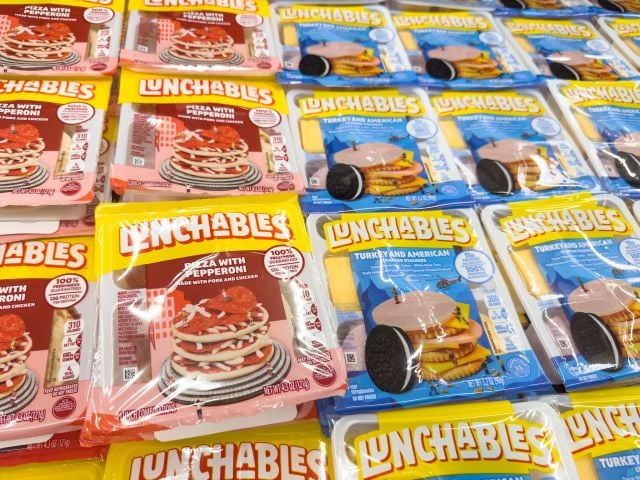
The new studies show that the tobacco industry used consumer research on cigarettes to help with developing new ultra-processed products for kids, including Lunchables. Food companies created “king size” and “light” versions of snack foods, mimicking “king size” and “slim” cigarettes.
The tobacco industry also revived its playbook for fighting public health protections.
When experts began to sound the alarm about the health risks of smoking, the tobacco industry responded with what would become its signature script: deny harm, manufacture uncertainty with biased research and use political influence to prevent government action.
Some of the biggest producers of UPF are now using these tactics in seeking to block state food chemical laws.
It’s not you – it’s the UPF
An unhealthy diet is often framed as a personal failure. But in fact, many structural factors impact our ability to eat well.
The journal issue authors argue that ultra-processed foods are prominent in our diets because they are widely available, relatively affordable and highly palatable.
UPF make up an estimated 73% of the U.S. food supply, and a new study from the special issue finds our food landscape is not changing for the better. During the past 20 years, the growth of restaurants and fast-food locations in so-called “food swamps” has far outpaced the growth of healthy grocery retailers.
Ultra-processed foods also tend to be more affordable than less processed alternatives. As a result, avoiding UPF may take more time, money and careful planning. These expectations are unrealistic, if not impossible, for households already experiencing food insecurity or concerned about the cost of groceries.
As several authors write, some UPF should be considered addictive. One study found that 90% of food with addictive potential were ultra-processed, and new polling shows that 70% of people believe UPF are addictive. These qualities likely stem from the “consumer-driven product development” the tobacco industry used to create foods with maximum pleasure and appeal.
Policies for less processed food
Based on the parallels between UPF and tobacco, the path forward is policy – not personal responsibility.
The study authors recommend a range of interventions, including:
- A clear and scientifically supported federal definition of UPF, based on the NOVA classification system, that works for practical policy applications
- Front-of-pack labeling requirements and marketing restrictions, with a focus on child-targeted marketing
- Legal action by state attorneys general against food companies on behalf of the public, with settlement funds directed to health initiatives
- Institutional procurement and other policies that limit UPF and provide more minimally processed foods in places like schools.
Meaningful progress may be possible. A national survey featured in the special journal issue found broad bipartisan public support for a range of governmental and legal interventions to address the health harms of UPF.
What you can do now
Solving our UPF problem requires large, systemic change. In the meantime, people still need help shopping for their families.
Check ingredient lists and nutrition facts, usually found on the back of food packages. Look for more whole foods and avoid longer lists of additives and chemicals you probably wouldn’t find in a home kitchen.
For extra help, take a look at EWG’s Food Scores, which provides ratings for more than 150,000 foods and drinks based on nutrition, ingredients and processing. Food Scores also flags unhealthy UPF and can help with identifying healthier alternatives.
Shoppers on the go can also use EWG’s Healthy Living app.
Finally, follow Fed UP! – a new coalition of scientists, researchers and public health advocates dedicated to exposing the harms of UPF and showing how our food system shapes our health.