Health and Human Services Secretary Robert F. Kennedy Jr. kicked off the “Eat Real Food” campaign last month, promising a series of food and nutrition policy changes to “Make America Healthy Again.”
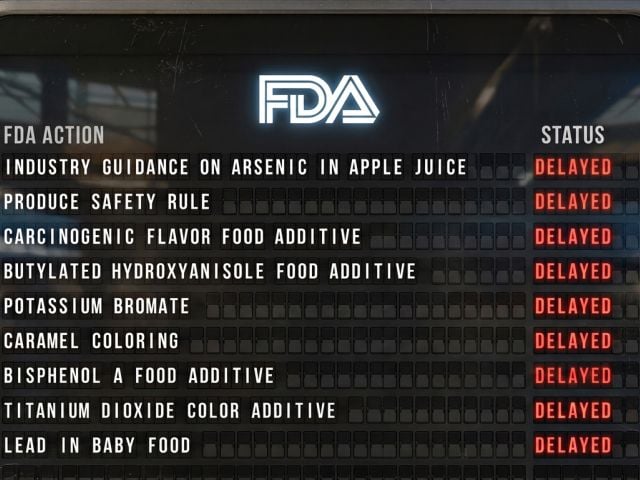
So far, it has failed to act, instead providing a dog and pony show that distracts from policy decisions undermining public health at every turn.
Talking the talk
From the release of its 2025-2030 Dietary Guidelines for Americans to a heavily scrutinized Superbowl ad featuring Mike Tyson, the administration has made its nutrition agenda clear: It wants Americans to eat “real food.”
Its actions suggest otherwise.
The Food and Drug Administration relaxed rules that prevent food companies from claiming “no artificial colors” in their products. President Donald Trump signed an executive order securing a steady supply of herbicides containing glyphosate – a toxic pesticide previously targeted by Kennedy for its known health harms.
And in 2025, the Agriculture Department delivered the largest funding cut in history to the nation’s most essential food assistance program.
Walking the walk
It’s one thing to tell people to choose real food. It’s another thing entirely to make sure those choices are within reach for everybody. The factors that determine our diets include cost, convenience and culture – not to mention the power and influence of companies that profit from producing highly processed foods or harmful pesticides used on U.S. crops.
If the Trump administration wants to help people eat real food, it should start by addressing structural barriers. These are six policies that would actually help people eat real food:
1. Reform food chemical policy, including processes for reviewing chemical safety.
Food safety should be the responsibility of the Food and Drug Administration. But a regulatory loophole has allowed companies to make the final call.
Almost 99% of new food chemicals introduced to the market since 2000 have been approved by the food and chemical industry without federal safety review.
Narrowing the “generally regarded as safe,” or GRAS, loophole should be a top priority for any administration seeking to remove harmful chemicals from food.
2. Improve regulation and disclosure of ultra-processed food.
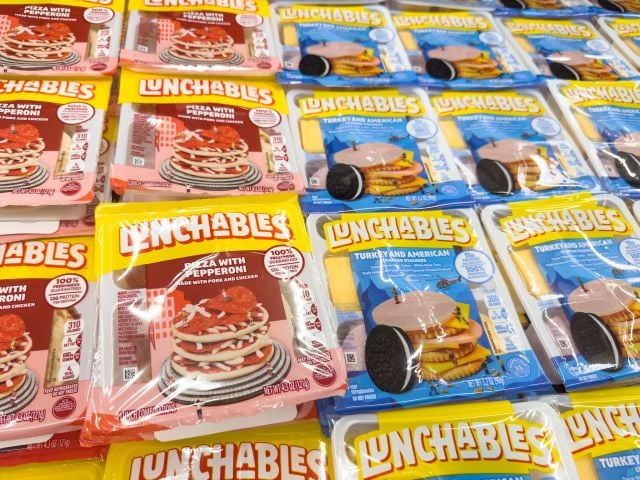
An estimated 73% of the U.S. food supply is made up of ultra-processed food, or UPF. Produced in industrial settings, UPF typically contain multiple additives, artificial colors and flavors or non-sugar sweeteners, and are lower in nutritional value than less processed foods.
Research has identified UPF as a leading contributor to chronic diseases such as Type 2 diabetes, depression and heart, kidney and gastrointestinal diseases. But the FDA has yet to define UPF or require front-of-package disclosures, making it difficult for consumers to identify these foods.
3. Fully fund local and regional food programs.
Since 2013, the USDA Farm to School Program has improved local food access for more than 22 million children around the country. The popular program was reinstated this year after being canceled, along with the Local Food for Schools and Child Care Program, in 2025.
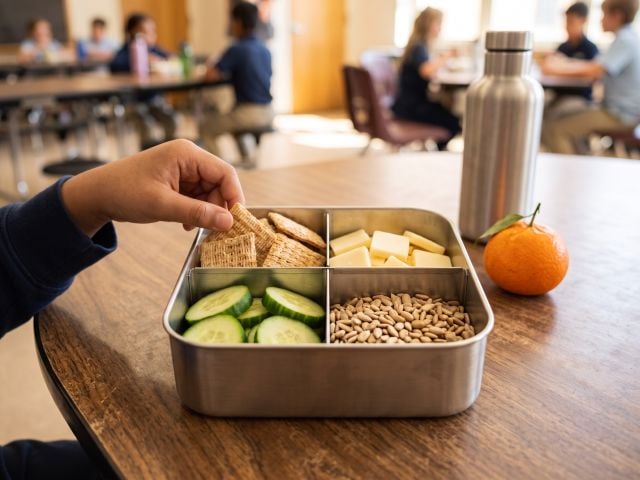
The Farm to School Program is critical for sourcing more real food for kids, who get as much as half of their daily calorie needs met at school, and requires continued funding and support for projects meeting local needs.
4. Make sure all kids have access to healthy school meals.
Participation in school meals has been linked to benefits such as better overall diet quality, attendance and test scores.
State policies providing school meals to all kids at no cost have been associated with reduced food insecurity, particularly among households living on lower income.
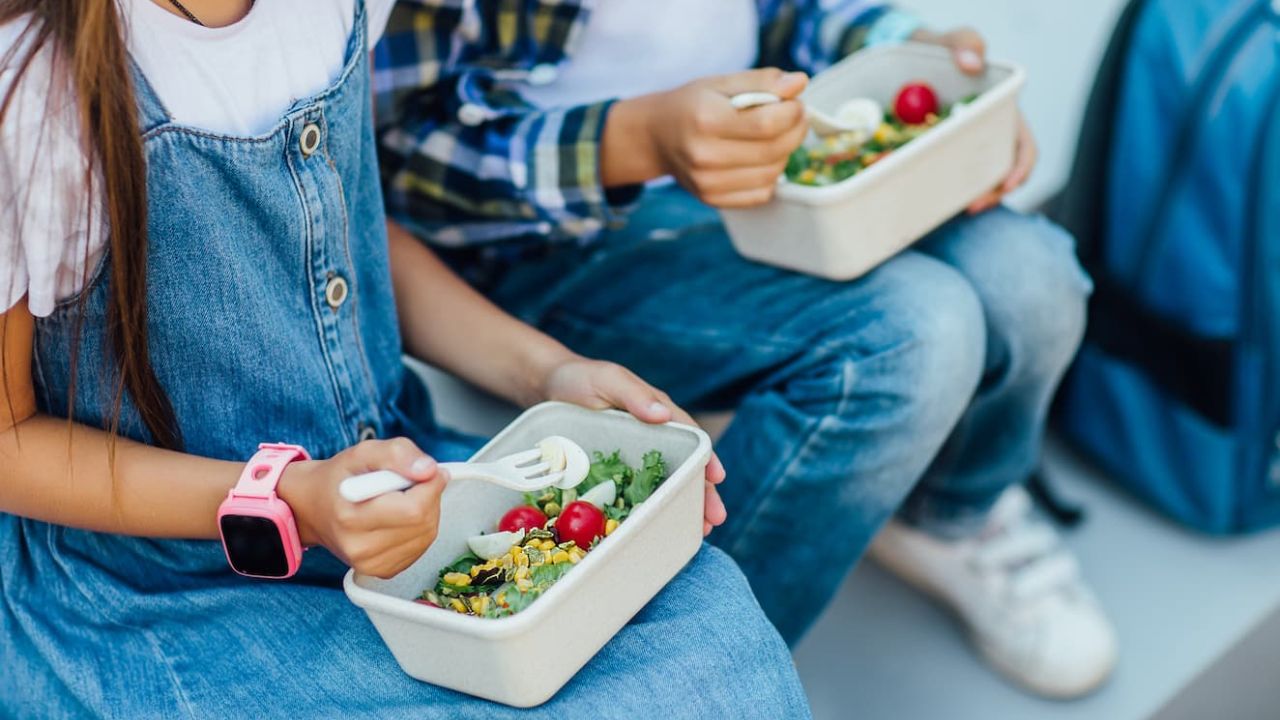
Now, dozens of states around the country are also taking steps to remove harmful chemicals from school meals or take UPF off the menu entirely. To make real food available to all students, the administration must keep pace with state progress.
5. Expand initiatives to make healthy food available everywhere.
In too many places around the U.S., real food is hard to come by. Supermarkets and other stores with fresh produce are not in every community. Programs like the Healthy Food Financing Initiative are designed to fill these grocery gaps by encouraging private financing for more grocery stores, farmers markets, food coops and other sources of fresh food.
The program is currently operating under an extension of the 2018 Farm Bill and requires reauthorization and full funding.
6. Protect SNAP from funding cuts or changes to eligibility.
For the one in seven households that don’t always have enough to eat, food choices can be limited.
The Supplemental Nutrition Assistance Program, or SNAP, improves food security and helps level the playing field for people who qualify – a majority of whom are either children, elderly or adults living with a disability.
Protecting SNAP benefits also means restoring funding for SNAP Education, or SNAP-Ed, which helped make healthy choices easier for families on limited budgets. This program was eliminated last fall.
Real food needs real commitments
Without meaningful action, the “Eat Real Food” campaign is just rhetoric.
In the coming months, the administration has the opportunity to put its priorities into practice by closing regulatory loopholes, strengthening local and regional food systems and making sure every child has enough healthy food to thrive.
But judging by its recent actions, it seems poised to leave the opportunity on the table.