Tiny bits of plastic are found nearly everywhere, from the summit of Mount Everest to the ocean floor. Are some of them coming from your washer and dryer?
Microplastics are the microscopic pieces of plastic that have spread throughout the world, contaminating plants, animals and even the human body, detected in blood, lungs and placental tissue.
Scientists are only beginning to understand the health implications, but recent research prompts concerns. Last year, a study suggested the presence of microplastics may increase the risk of heart attack and other cardiovascular problems among people with heart disease. The tiny plastics were found to double the risk of stroke or heart attack.
Small particles, big problems
Plastic doesn’t decompose in the way food and paper do. Instead, it breaks down into smaller and smaller pieces. Obvious sources can shed these fragments, such as plastic bags, bottles and car tires. They can also come from unexpected sources, such as clothing made with synthetic fabric.
Clothing sheds fiber fragments, which resemble microscopic pieces of string. If a garment is made with synthetic materials – plastic-based fabric like polyester, nylon and elastane, among others – the fiber fragments the clothing sheds will also be plastic.
Any handling of clothing can cause some shedding – even before the items land in the store, they can shed during the production process. They shed when they’re worn. But worst of all is the laundry. A single load can release several million fiber fragments.
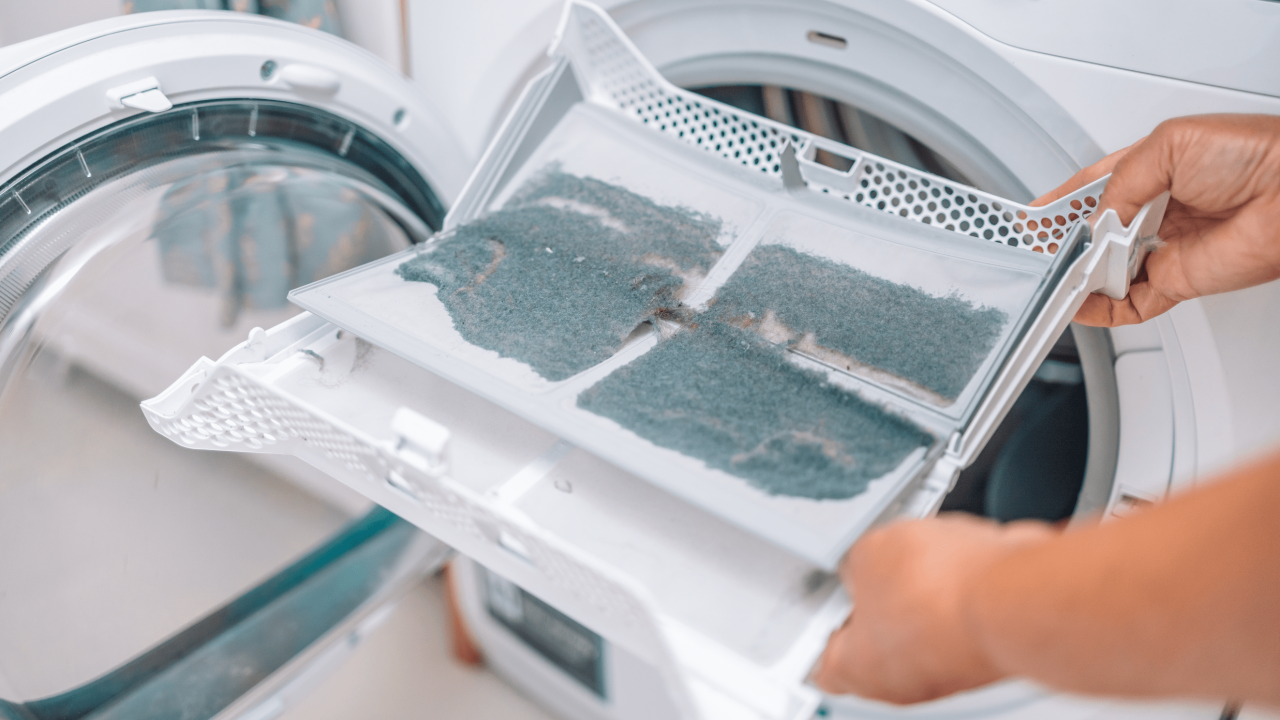
These fibers don’t necessarily stay in your washer and dryer. Your machine’s rinse cycle discards many of them, and others are blown out through the vents in your dryer. Some remaining fibers may be caught in the lint filter.
Whether in the water or the air, these fibers end up getting deposited into the environment, where they can travel in the atmosphere, enter the soil, or contaminate drinking water sources.
Tiny plastic pieces add up
Scientists estimate that household laundry cycles produce more than 3,500 metric tons of fiber fragments each year in the U.S. alone – clothing and other textiles shed larger bits of fiber, too. But a significant number are microplastic fiber fragments.
Synthetic fibers can hold chemicals used to treat the clothing during production, such as anti-wrinkle agents and fire retardants.
Other chemicals include the water-repelling toxic “forever chemicals” known as PFAS, and those that make clothes more stretchy, such as phthalates, a class of chemicals with hormone-disrupting properties. Bisphenol A, or BPA, another endocrine–disrupting chemical, has been found in activewear.
If fiber fragments hold these chemicals and make their way into the body, they may be harmful.
Other textiles, such as carpets, furniture, and curtains, can shed fibers throughout your home, both in and out of the laundry.
What you can do
Not all clothing sheds microplastics at the same rate. Loosely woven fabrics such as fleece often produce more, while tightly woven fabrics stay together better during the laundry cycle.
Relying on natural fabrics, such as organic cotton, linen, hemp, silk and wool, is one way to curb your exposure to microplastics, but these garments still produce fiber fragments and could’ve been treated with potentially harmful chemicals. Looking for Global Organic Textile Standard or OEKO-TEX certifications on clothing and textiles ensures third-party tests for harmful chemicals.
Here are some ways to release fewer fragments from your laundry load.
- Wash in cold water. Quicker cycles in cold water help reduce microfiber generation significantly.
- Fill the machine. A fuller load means less friction, which is easier on the fabric.
- Skip the extra rinse cycle. The use of more water has been shown to increase the release of fiber fragments.
- Wash less often. Less frequent laundering will not only extend the lifetime of your clothing but also shed less microplastic.
- Consider hang-drying clothes. Drying your clothes this way is much more gentle than tumble drying and generates fewer fiber fragments. It also saves electricity.
- Buy secondhand. Pre-washed and worn clothes shed far fewer fibers.
- Look into products that help collect fibers. Washing bags, filters, and other products are designed to collect fibers from inside the washer or dryer.
- Invest in an air purifier. An air purifier can help reduce fibers and microplastics in household air.
As a reminder, take care to vacuum and wet-dust regularly. Whether microplastics in your home are from laundry or from outside, cleaning regularly will help ensure they don’t hitch a ride into the air and make their way into your food or water.