Four new research papers are calling attention to the rising health risks of ultra-processed foods, or UPF. Together they paint a picture of a food landscape flooded with UPF, flagging an urgent need for a more powerful policy response.
Three of the papers were published as a series in the Lancet, a leading international medical journal, by a group of more than 40 prominent health experts and pioneers in the field. They conclude that UPF are a leading contributor to chronic disease.
The widespread sale and consumption of UPF creates large corporate profits while making people sick. The researchers offer policy solutions for shifting our food systems toward healthier diets, and identify the role the food industry plays in preventing such progress.
A fourth paper finds that younger women who eat more UPF, including highly processed bread, breakfast food and soda, may be more likely to develop colorectal cancer. The study, published earlier this month JAMA Oncology, was led by a team from the Harvard T.H. Chan School of Public Health and relies on a robust data set representing nearly 30,000 nurses.
The study’s findings add to a host of health problems already associated with UPF, including Type 2 diabetes, depression, and heart, kidney, and gastrointestinal diseases.
The problem with ultra-processed food
Most of the food we eat is processed in some way, whether it’s chopped, canned, heated or frozen. These types of processing can actually help us create healthy diets by making some food safer to eat or easier to store and cook.
Ultra-processed food is different.
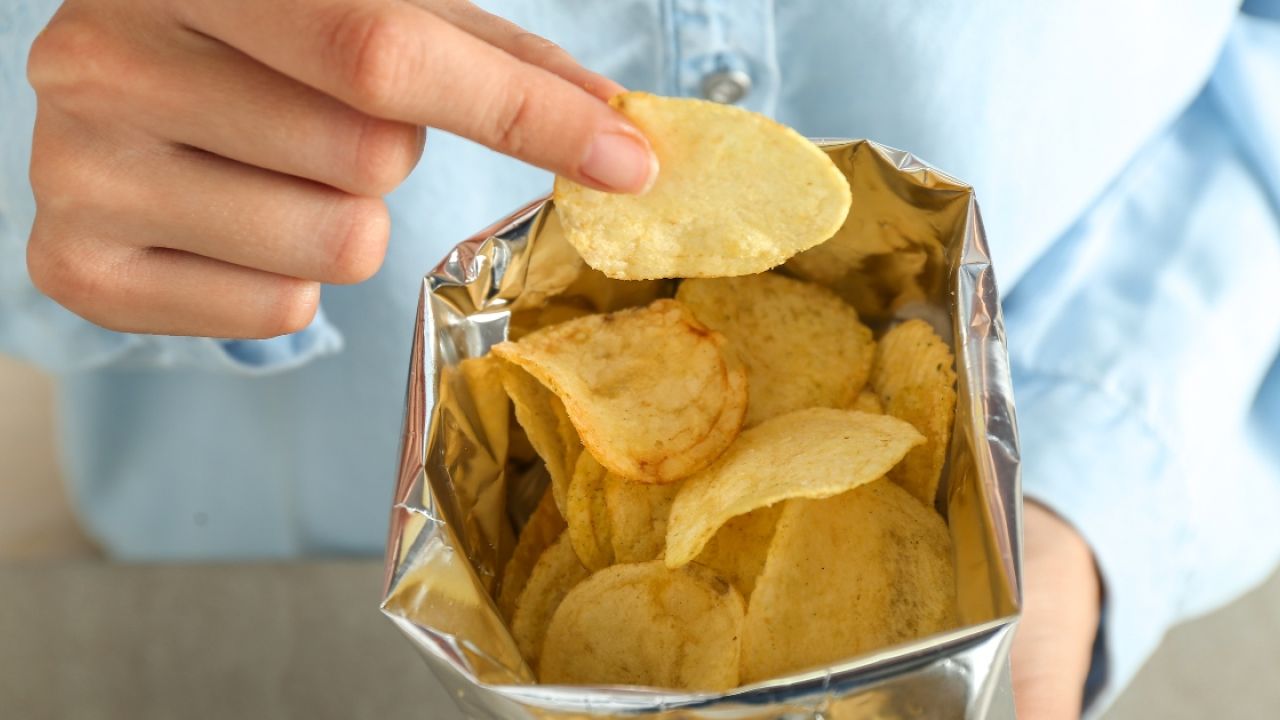
A wide range of foods are considered UPF, from certain snack bars, packaged desserts and soda to frozen dinners, salad dressings and breakfast foods.
UPF are typically made in industrial settings and contain one or more artificial colors or flavors, non-sugar sweeteners, or additives like emulsifiers and thickeners. Food companies use these ingredients, often in combination with large amounts of fat, sugar or salt, to create UPF, which are extremely appealing, if not downright addictive.
And it works. The U.S. is among the biggest consumers of UPF in the world. UPF currently make up more than half of what U.S. adults eat on a daily basis, and two-thirds of what kids and teens eat. The evidence, the Lancet authors argue, is now clear and compelling: The more UPF we eat, the higher our risk of diet-related diseases.
What’s more, UPF are frequently more affordable than less-processed foods or fresh produce. The low cost and wide availability of UPF may drive health disparities among populations who already face hunger, undernutrition and higher rates of chronic disease.
Ultra-processed food drives company profits
There is a simple fact behind the proliferation of UPF: They are extremely profitable for the companies that make them. This is true not just in the U.S. but around the world. Global UPF sales grew from $1.5 trillion in 2009 to $1.9 trillion in 2023.
This model works because big businesses take relatively cheap inputs, such as corn, wheat, soy and palm oil, and turn them into food products people can’t seem to stop eating. The more successful these companies are in selling UPF, the more they profit and the more powerful they become.
The Lancet authors highlight the many tools the food industry has to prevent public health action on UPF. These strategies include lobbying government officials, taking legal action to block regulations, and casting doubt about credible research findings.
Policies need to put people first
If we are to counter food industry influence, we must frame UPF as a global health priority, and countries should work together to develop a coordinated response.
The Lancet authors offer a suite of policy solutions that aim to help people eat more fresh and minimally processed foods. These include food labels or warnings for certain UPF, restrictions on marketing UPF to children, stricter regulation of companies that produce UPF, and even the restructuring of certain farming and environmental policies that contribute to the proliferation of UPF.
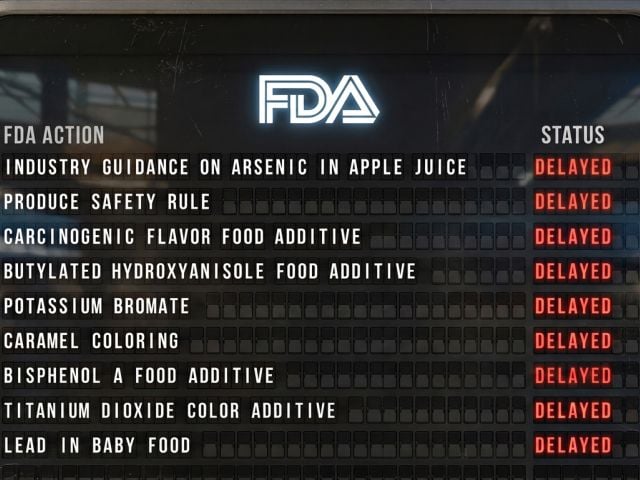
The U.S. government has largely failed to develop such measures. On the contrary, nearly all new chemicals used in food – 99% – have been approved by the chemical industry, rather than the Food and Drug Administration, during the past 25 years.
In the absence of federal action, states are stepping in. Earlier this year, California signed a historic new law to legally define UPF and phase out the most harmful from public school meals. Lawmakers in dozens of other states have introduced or passed bills targeting harmful chemicals in the food supply.
How to find less-processed foods
Until we achieve the changes our food system needs, there are a few actions consumers can take to avoid UPF.
You can often find less-processed alternatives to many common foods. Instead of yogurt with added flavors, artificial colors or zero-calorie sweeteners, you might look for a yogurt with simple ingredients: cultured milk and fruit.
The key to identifying these products is reading ingredient lists and nutrition facts, which are (for now) usually found on the back of food packages, looking for more whole foods and fewer chemicals. This may also mean looking beyond marketing claims on the front of packages, which can include phrases, colors or symbols intended to mislead consumers about what’s inside.
For some extra help, take a look at EWG’s Food Scores, which provides ratings for more than 150,000 foods and drinks based on nutrition, ingredients and processing. Food Scores also flags unhealthy UPF and can help you identify alternatives.
Or if you’re on the go, use EWG’s Healthy Living app.