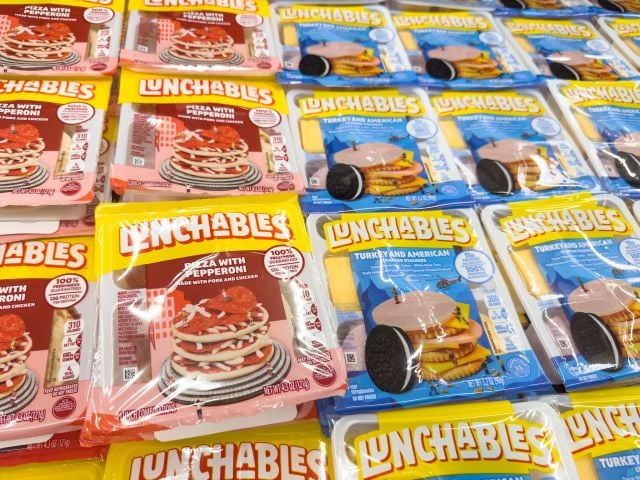
You’ve probably heard lately about the risks of ultra-processed food, or UPF. What you might not know is that UPF may not all be the same when it comes to our health.
Some UPF can create health risks, particularly when eaten in excess. American adults get more than half their calories from UPF. Kids get even more – 67% – and exposure to UPF at an early age shapes lifelong eating habits. The health costs are significant, with rising rates of chronic disease associated with UPF consumption.
High consumption of UPF has been linked to health harms, including Type 2 diabetes, obesity, cardiovascular disease, mental health issues and early death.
But how can consumers know which UPF might be considered harmful?
Competing definitions
Multiple definitions of UPF are circulating. Now the Food and Drug Administration and the Agriculture Department are weighing in, saying they will also develop a definition.
In the meantime, one of most widely used definitions is the NOVA classification system, which is made up of four categories: unprocessed or minimally processed, processed culinary ingredients, processed and ultraprocessed. This system is what has been used in most studies linking consumption of UPF food to health harms.
What experts do agree on is that UPF are made with ingredients that have been chemically or mechanically broken down – such as refined oils, extracted starches, concentrated proteins – and then combined with cosmetic additives such as sweeteners, colors, flavors, thickening agents and emulsifiers.
The result is food that is low in nutrients and fiber and “hyper-palatable.”
Some experts define less healthy UPF as foods that are high in fat, sugar and salt in addition to containing industrial ingredient additives. These additives make the food “craveable” and can lead to overeating. Studies have linked UPF with high levels of saturated fat, added sugar, and sodium to overconsumption and possibly “food addiction.”
Some worse than others
A combination of certain foods’ nutritional value, degree of processing and ingredients can potentially make them more of a health risk than others.
Evidence from three large study groups based in the U.S. found that two UPF categories were most linked to harm. Sweetened drinks are high in sugars or artificial sweeteners while offering little or no nutritional value. Processed meat is high in sodium and saturated fat.
By contrast, other food that is technically UPF – including some cereal and bread – may nevertheless provide nutritional benefits with their minerals, vitamins and fiber.
Fine-tuning the definition
Now a bill is working its way through the California Legislature that would, if enacted, create a first-ever legal definition of a particularly harmful UPF.
The working definition is “any food or beverage that contains high amounts of saturated fat, sodium, or added sugar” and also contains certain functional ingredients, substances not normally found in home kitchens, such as colors, flavors, sweeteners, emulsifiers and thickening agents.
The worst of these foods would be banned from being served in public schools.
Assembly Bill 1264, introduced by Assemblymember Jesse Gabriel (D-Encino), would charge state scientists and other experts with identifying the UPF that are “particularly harmful” and should be phased out of school meals. Their review would be based on:
- Whether the food contains ingredients restricted or banned in state, federal or international jurisdictions
- Whether research shows the product or its ingredients have been associated with chronic disease such as cancer, cardiovascular disease, metabolic disease, developmental harms, reproductive harms, obesity and Type 2 diabetes
- Whether the product or its ingredients help lead to food addiction
- Whether the product contains high levels of saturated fat, added sugar or salt.
It’s not the first time the Golden State has shown leadership on this front.
Earlier this year, Gov. Gavin Newsom ordered California scientists and experts to research ways to lower the harms of UPF consumption. That directive followed on the heels of a bill enacted last year that bans artificial colorants from public schools, the California School Food Safety Act.
And in 2023, Newsom signed a law banning four harmful chemicals from all food produced and sold in California.
States spearheading new initiatives
Efforts to curtail the consumption of UPF are sweeping the rest of the country, too, with other states following California’s lead.
To date, 37 states have introduced a total of 94 bills banning or restricting certain chemicals or categories of food, with more than a dozen adopted. Check EWG’s food bill tracker for updates.
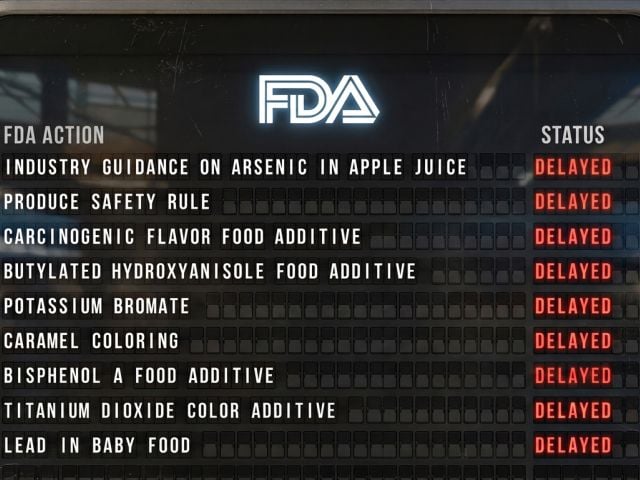
States are acting because the federal government has for years dragged its heels on food safety, allowing most new chemicals into the marketplace without meaningful review.
Whether the administration joins states in advancing groundbreaking policies to safeguard our food supply rather than cave to industry pressure remains to be seen. Legislation now under debate on Capitol Hill would block states’ rights to develop their own stringent legal definition of UPF.
It’s essential states maintain the right to put standards in place the White House can’t override.
Cutting back
If you’d like to cut back on your consumption of UPF, below are some tips to start.
Get information. Consult our free, searchable Food Scores database to see what’s in your favorite foods. Food Scores defines an “unhealthy UPF” on the basis of these three criteria:
- Nutrition. Harmful contents such as excess calories, saturated fat, trans fat, sugar, sodium and healthful contents, including protein, fiber and fruit, vegetable and nut. On a scale of 1 to 10, the best to the worst, a harmful UPF’s nutrition rates 4 or higher
- Ingredients. Contains at least one ingredient from the NOVA 4 UPF category
- Processing. Modification of individual ingredients from whole foods and the sum of that processing for a food based on the labeled ingredients. A harmful UPF’s processing rates 3 or higher.
Read ingredient lists on ready-to-eat packaged foods. Check for artificial dye, sweetener and flavor. Certain industrial-sounding ingredients are a sign the food may be ultra-processed rather than simply processed.
Eat a bigger variety. Introduce whole or minimally processed foods, whenever possible, into your diet, including fresh fruit and veggies, eggs, beans and whole grains.
Explore new options in familiar categories. Look for minimally processed versions of foods you like and buy – tomato sauce, yogurt and bread all have non-UPF alternatives.
Don’t strive for perfection. No food is inherently good or bad, and no one is suggesting that anyone eat zero UPF – it’s just not realistic.