New research shows that people may be breathing in potentially harmful microplastics at levels hundreds of times higher than previous estimates suggest.
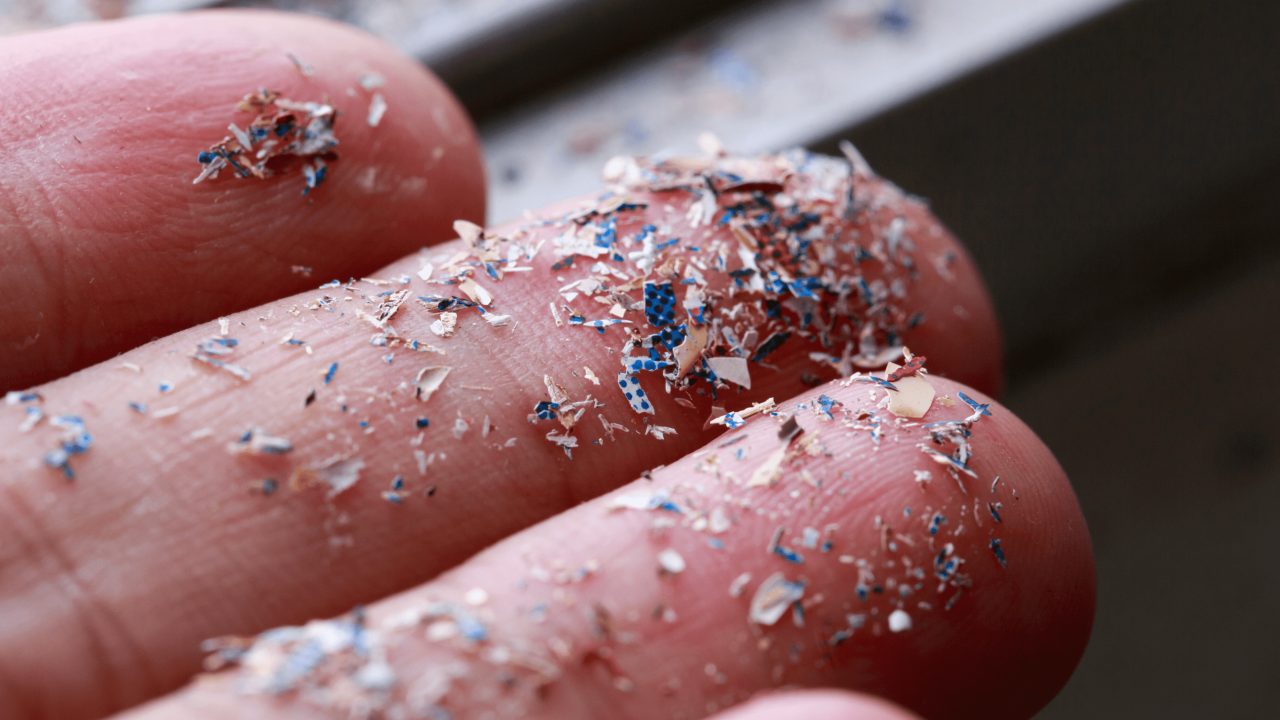
Many kinds of plastic products, including water bottles, packaging and supermarket shopping bags, shed these tiny particles. They’ve been found all over the world, from Antarctica to the bottom of the Marianas Trench. But researchers recently decided to measure microplastics in less remote places: their own apartments and cars.
In the new study, scientists from the University of Toulouse, in France, studied plastic particles 10 micrometers or less – the width of a cotton fiber. They aren’t visible to the naked eye and must be measured with specialized scientific equipment.
At this size, microplastic particles are much more likely to deeply penetrate the lungs, wreaking havoc on the immune system and potentially causing other health harms.
The study found the highest measurements of microplastic particles inside cars, suggesting people inhale even more in total than previously estimated. The median amount of microplastics in car cabin air measured 2,238 microplastic particles per cubic meter, compared to a median of 523 microplastics per cubic meter in a typical indoor residential environment. Of these particles, 94 percent were smaller than 10 micrometers.
The exact reason for the large spike inside cars compared to other environments could be due to the limited ventilation in vehicles, but more research is needed.
Combining their results with previous studies of microplastics in indoor air, the researchers estimated that someone’s daily exposure to these smaller particles from air could be roughly 68,000 particles, hundreds of times more than previous estimates.
Tiny particles, big problems
Plastic doesn’t decompose in the way food and paper do. Instead, it breaks down into tinier and tinier pieces.
They not only come from obvious sources like plastic bags, cups and water bottles but also from more unexpected items, such as polyester clothing and synthetic carpet fibers.
EWG has worked for more than 30 years to tackle toxic substances. In a recent study, we found that people could be eating up to the equivalent of 12 plastic shopping bags a year through their exposure to small plastic particles.
Scientists are only beginning to understand the potentially harmful health effects of human exposure to microplastics. But what’s clear is that microplastics are ubiquitous and getting in our bodies.
A global issue
The new microplastics study comes as countries are debating a Global Plastics Treaty that could reshape handling of plastic pollution.
Final negotiations for an international plastics pact are under way in Geneva. Sharp disagreements have arisen about whether to focus on capping plastics production or improving recycling and waste management.
Major petrochemical-producing countries like Saudi Arabia and the U.S. oppose a cap. A coalition of 100 countries led by Panama supports limits on production to cut pollution off at its source, according to the Associated Press. Without a bold international agreement, global plastic waste is expected to triple by 2060.
In the absence of global or national regulation, it falls on consumers to limit their microplastic exposure. Although it’s nearly impossible to cut out exposure entirely, here are some tips that could make a difference:
- Dust and vacuum regularly. Removing excess dust from your house and car can help cut down on the amount of microplastic fibers in the dust you could be breathing in.
- Avoid drinking from disposable plastic water bottles. If you have no choice, try to keep them out of the sun, in a cool, dry environment. Disposable plastic water bottles degrade easily with temperature change or friction.
- Filter your water. Because of widespread plastic use and pollution, water can sometimes contain microplastic particles. Home water filters can be effective at reducing many contaminants, including microplastics.
- Avoid plastic cutting boards. There are plenty of alternatives to use, including wood, glass and steel.
- Microwave food in glass containers. Plastic and takeaway containers used to heat leftovers can release millions of microplastic particles into your food.
- Ditch the chewing gum. Recent research suggests that chewing gum could shed thousands of plastic particles into your mouth.