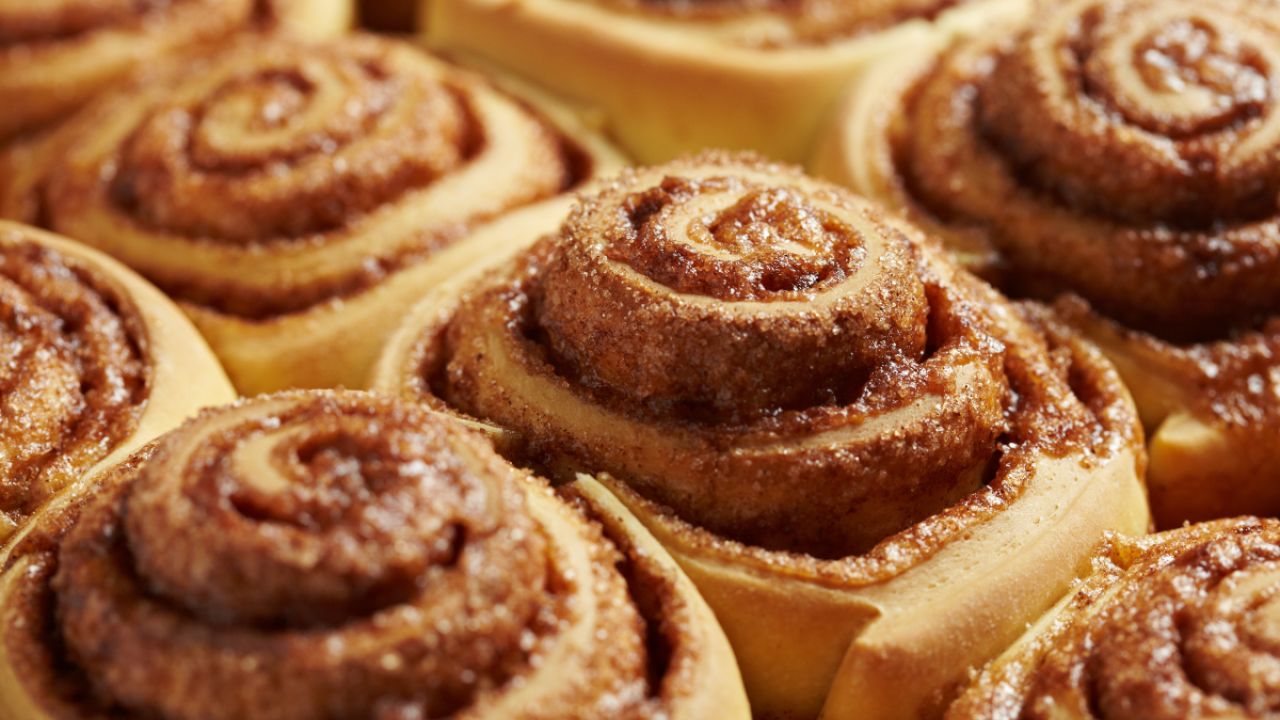
Packaged foods – like cinnamon rolls, tortillas and trail mix – can stay fresh for weeks because of propyl paraben, a preservative that extends shelf life but also raises concerns due to its potential hormone-disrupting effects.
Part of the paraben family, propyl paraben is a chemical compound that’s been used as a preservative since the 1920s. It was widely used in different industries by the 1950s. It prevents the growth of bacteria, mold and yeast in some foods such as tortillas, packaged baked goods and packaged dry sausage and also in personal care products. The FDA officially determined in 1977 that propyl paraben as a food additive is “generally recognized as safe,” or GRAS.
But prolonging a product’s shelf life with propyl paraben may be harmful when the product’s been ingested as an ingredient in food or absorbed through the skin with cosmetics. Propyl paraben imitates certain hormone functions – it can affect hormone signaling and gene expression. This interference with hormone signaling can contribute to reproductive harm and can potentially increase the risk of breast cancer.
Why propyl paraben is added to food
Propyl paraben is found in baked goods like tortillas, cookies and cakes to extend their shelf life. It also appears in packaged snacks like chips and trail mix.
Parabens are also added to some personal care products with high water content, such as shampoo and facial cleansers, to reduce mold and bacteria growth.
For consumers, the chemical could add health risks to every bite.
Propyl paraben’s health harms
Consumers can be directly exposed to propyl paraben by rapid absorption through the skin or ingesting it. The chemical is often detected in blood, urine and breast milk, because of these multiple potential routes of exposure.
Propyl paraben is considered an endocrine-disrupting chemical that interferes with hormonal growth and development.
In 2015, researchers at the State University of New York Downstate Medical Center and Arizona State University published the first study of levels of parabens in human umbilical cord blood samples. It found that a cohort of pregnant women in Brooklyn, N.Y., predominantly of Caribbean and African American descent, had the world’s highest level of methyl paraben and propyl paraben in their bodies.
Pregnant people, the developing fetus and young children are most vulnerable to the risks of propyl paraben exposure.
In men, propyl paraben use has been linked to fertility changes, including reduced sperm count and decreased sperm quality and testosterone levels.
States lead on consumer safety
While the Food and Drug Administration allows propyl paraben in food sold in the U.S., other countries have taken action to ban or restrict its use. The European Union issued its ban in 2006, citing evidence of its potential to disrupt hormone function and cause long-term health problems.
Potentially unsafe chemicals are in U.S. food through the “generally recognized as safe,” or GRAS, loophole. This allows food chemical companies to bypass pre-market review and declare their own chemicals are safe, even if the FDA has never assessed their safety. The agency has said it is reviewing the GRAS process. But it has yet to take any steps to close the loophole.
In the absence of federal action, some states are stepping up on food safety.
More than 25 states have introduced legislation addressing harmful chemicals and synthetic colors in foods and harmful substances in food packaging. These state bills shine a light on all of the harmful additives in U.S. food and food packaging.
The California Food Safety Act will take effect in January 2027 as the first-in-the-nation state law to get “harmful” substances out of food, ban the distribution and sale of food and beverages containing these chemicals and color additives, including propyl paraben.
The use of propyl paraben as a preservative has slowly declined in both food and cosmetics, especially after actions taken by the EU and now by California.
Protecting yourself from propyl paraben exposure
Food manufacturers in the U.S. can use multiple types of parabens – methyl, ethyl or propyl paraben – to preserve products, creating a cocktail of chemicals that may have additive toxic effects.
Making informed decisions about the products you use can significantly reduce your exposure to propyl paraben. You can:
- Check product labels to ensure propyl paraben and other parabens are not in the ingredient list.
- Consult resources like EWG’s Food Scores, which rates more than 80,000 mostly packaged foods and drinks, and Skin Deep® database of personal care products, to make sure the product you’d like to buy doesn’t contain propyl paraben, which may also be listed on labels as “E216.”
- EWG’s Healthy Living app also provides valuable information on propyl paraben and similar chemicals in the products you purchase and use daily.
- Look in Skin Deep or on store shelves for personal care products bearing the EWG Verified® mark, which never contain propyl paraben.
- Support state legislation and food regulation reform. Advocate for stricter limits on the use of harmful chemicals like propyl paraben in consumer products.