Pumpkin spice season is officially here.
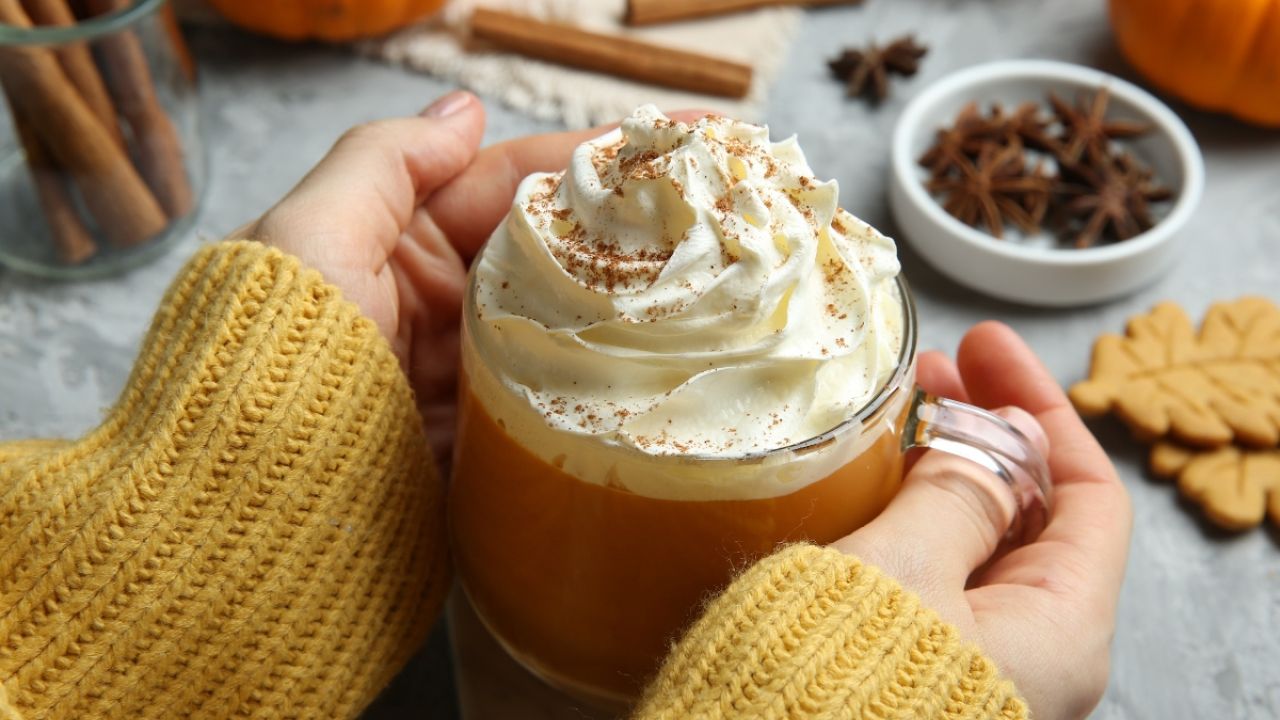
As soon as the temperature drops and the first leaves start to change color, everything edible from lattes to muffins, cheeses and ice cream takes on this warm, comforting flavor.
While pumpkin spice is beloved for its association with fall, the flavor itself rarely contains actual pumpkin. It’s usually just a blend of spices that reminds us of pumpkin pie.
So beware: Some products get their cozy flavor with potentially harmful food chemicals.
What’s in your pumpkin spice?
The traditional blend of pumpkin spice contains common spices: cinnamon, nutmeg and ginger. But those same flavors in processed food products and beverages may include more than just these natural spices.
Food companies sometimes use artificial or “natural” flavors, both of which may contain preservatives and solvents. “Natural” flavors may sound reassuring, but the term is only loosely regulated. So they can derive from a wide range of sources, including harmful chemicals. But they’re usually a mystery concoction, because flavor manufacturers aren't required to disclose the specific ingredients they use.
Some pumpkin spice products, especially lattes, may also contain carrageenan, a stabilizer made from seaweed extract. Carrageenan has been linked to gastrointestinal inflammation and may harm the immune system.
These products may also contain propylene glycol, a preservative that in high doses causes blood problems like low blood pressure.
Artificial sweeteners
Many pumpkin spice products, particularly beverages, commonly use artificial sweeteners such as sucralose, aspartame and acesulfame potassium to enhance taste without adding calories.
Although these sweeteners help cut sugar content, their long-term health implications are still being studied, and they may pose a risk. Aspartame has been linked to a 17 percent higher risk of stroke. Sucralose and acesulfame potassium are associated with a greater chance of coronary heart disease.
Synthetic food dyes
Synthetic dyes like Yellow Dye No. 5, Yellow Dye No. 6 and Red Dye No. 40 are commonly used to give processed foods a more vibrant color. These colorants may make pumpkin spice treats look more festive, but they can cause health problems.
California’s Office of Environmental Health Hazard Assessment has said consumption of these toxic food colors can lead to behavioral difficulties in some sensitive children.
In September, California enacted a law banning six harmful dyes – including Yellow 5, Yellow 6 and Red 40 – from foods served in the state’s public schools.
Quick tips
The pumpkin spice flavor trend extends far beyond the coffee shop, with products like cookies, cereal and even protein powder getting a seasonal twist. While enjoying your pumpkin spice treat, it’s important to stay mindful of what you’re consuming. Here are a few things to watch out for:
- Check for artificial flavors. Use caution buying food and drinks whose labels say they contain artificial or natural flavors. These may contain synthetic chemicals that have been linked to health problems.
- Be wary of additives. Pumpkin-spice-flavored products may contain additives such as carrageenan and propylene glycol, which have been linked to health harms.
- Check for artificial sweeteners. When possible, choose products without aspartame, sucralose or acesulfame potassium.
- Steer clear of synthetic dyes for children. Avoid synthetic food colorings like Yellow 5, Yellow 6 and Red 40, especially in pumpkin spice treats for children.
- Try organic. When possible and affordable, choose products made with organic pumpkin spice flavor. Organic certifications limit the use of synthetic chemicals and flavorings.
- DIY pumpkin spice. Pumpkin spice made at home with pure, organic spices is the best approach to enjoying the flavor. Not only do you avoid harmful additives, but you can also adjust the recipe to your taste.