Every year on October 10, Children’s Environmental Health Day shines a spotlight on the risks kids face from pollution, and calls for steps to create a safer, healthier world for them.
Led by the Children's Environmental Health Network, and joined by EWG and more than 150 other organizations, this day brings much-needed attention to the threats young people can encounter from pollution in the air they breathe, the water they drink, the food they eat, and even the clothes they wear and the toys they play with.
Children are especially vulnerable to harmful substances like the “forever chemicals” known as PFAS, lead, and food additives and dyes, since their bodies are still developing. These risks are often higher in lower-income neighborhoods and can happen at home, in schools and other environments.
The health harms associated with toxic chemicals are well-documented and wide-ranging. Depending on the substance, potential impacts include lower IQ, learning and behavioral issues, skin damage, earlier puberty, and more.
Food and drink
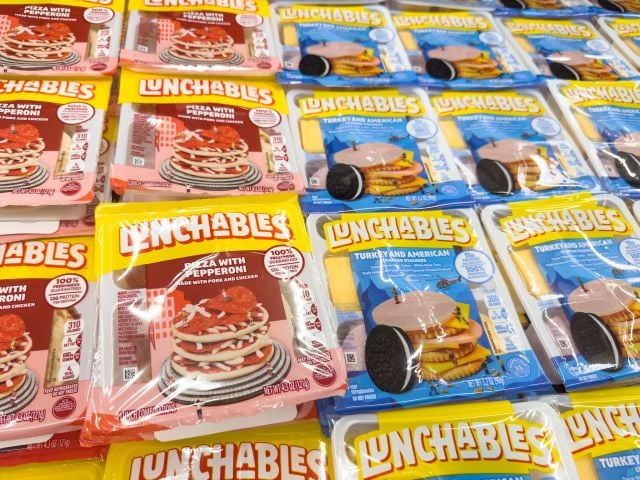
Some food chemicals, like food dyes, are linked to hyperactivity, ADHD and other problems in children. That’s why California recently enacted a precedent-setting law that bans six harmful dyes from food served in the state’s public schools – a first of its kind in the U.S.
To help parents make informed choices, EWG developed Food Scores, which rates more than 80,000 foods based on their nutrition, ingredients and processing concerns. It’s a simple tool to use while grocery shopping to find healthier alternatives to ultra-processed, chemical-laden snacks and other items.
Drinking water is another major source of exposure to harmful chemicals. In particular, toxic PFAS have contaminated the water supplies for millions of Americans throughout the U.S. and its territories.
Lead contamination of drinking water is a serious issue, caused by corrosion in aging lead pipe water infrastructure. School drinking water fountains, often decades old, can be an overlooked but significant source of lead exposure for kids.
Cosmetics
This summer, the “Sephora kids” trend set TikTok ablaze, with tweens under 12 stocking up on skincare products like body sprays, cleansers and serums. But many of these products, especially the anti-aging skin care products, are formulated for adults and often contain some concerning ingredients for younger users.
EWG’s 2023 survey of personal care product use found 38 percent of Gen Z uses skin care products daily and 23 percent use them weekly. For makeup, 59 percent use it at least every month, and 23 percent apply it almost every day. When these products contain harmful ingredients, each application adds another layer of exposure, increasing potential health risks.
Ingredients like retinol, vitamin C and exfoliating acids – commonly used in products for adults – can cause a range of negative health issues for younger, developing skin.
To protect kids, EWG has created valuable resources like EWG Verified® and the Skin Deep® database. Skin Deep offers information on chemicals in a wide range of personal care products, helping parents and caregivers make informed choices. The database highlights EWG Verified products, which meet EWG’s strictest standards for transparency and health.
Toys
Children should be able to play safely, but many brand-name toys can contain phthalates, bisphenol A, polyvinyl chloride, flame retardants and lead. Even heirloom toys made years ago may contain lead-based paints.
A safer bet includes toys made from natural materials like wood, bamboo, hemp or cotton, preferably organic, providing a safer playtime with fewer chemicals.
Pesticides
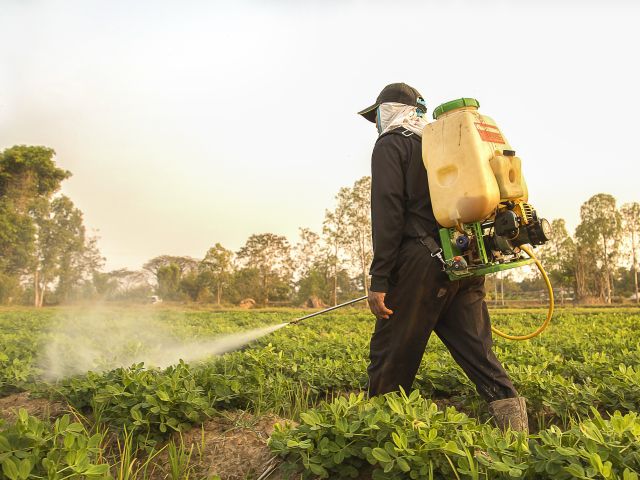
Pesticides sprayed near schools and homes pose a significant risk to children. In 2023, EWG found 4,028 elementary schools located within 200 feet of crop fields where pesticides could be applied. Research shows that some pesticides can drift miles from the intended target, putting children at risk even when schools are not directly adjacent to these fields.
The severity of this risk varies from state to state.
Even if your home or your child’s school isn’t near an agricultural field, they may still be exposed to traces of pesticides on certain produce. EWG’s 2024 Shopper's Guide to Pesticides in Produce™ provides information on the 12 fruits and vegetables most likely to be contaminated with pesticides.
Kids are particularly susceptible to the health problems linked to pesticides, such as cancer, neurotoxicity and harm to development and reproduction. By choosing organic options, parents can reduce their child’s exposure to these harmful pesticides.
Protecting children
It might feel overwhelming to navigate the many different chemicals that children can encounter day to day, but there are steps to reduce their exposure.
At home, some simple lifestyle switches – like choosing organic produce or switching to safer cosmetics – can help lower kids’ exposures to harmful substances.
Policymakers are also stepping up. For example, California’s landmark ban on food dyes and the federal EPA’s April rule setting first-time limits on six toxic PFAS in drinking water. Children’s Environmental Health Day is a great reminder to call for even more measures to protect kids.
October also marks the EPA’s Children’s Health Month, an annual event designed to draw attention to the unique risks kids face. “Children are often more vulnerable to pollutants than adults due to differences in behavior and biology, and these differences can lead to greater exposure and/or unique windows of susceptibility,” the agency says.
This year’s theme, “growing healthy, growing happy,” encourages parents, caregivers, healthcare professionals and school administrators to use EPA webinars, resources and other information to better safeguard children’s health and protect kids from environmental risks.