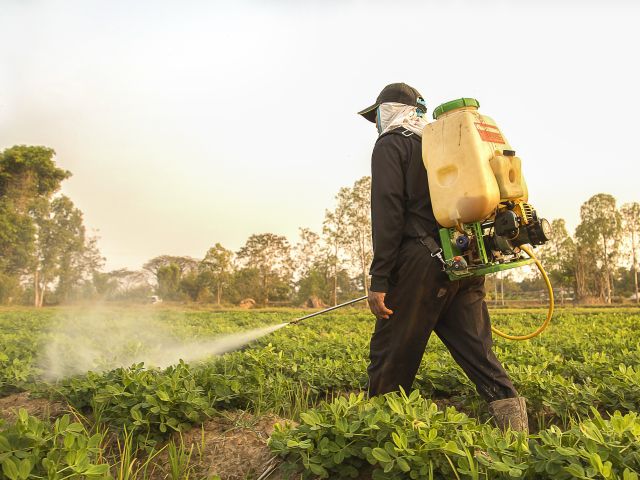
A rare window is opening for public health advocates to push the Environmental Protection Agency to rethink how it assesses the health risks of five neonicotinoids – insecticides that EWG and others say could harm people more than the agency acknowledges.
That’s the takeaway from a presentation EWG Senior Toxicologist Alexis Temkin gave at the Silent Spring 2.0 conference last month in Chicago, hosted by the Chicago Center for Health and Environment. The event brought together researchers and others who study neonicotinoids, or neonics, and the chemicals’ potential harms to human health and wildlife and possible contamination of groundwater and surface water.
“This is a big year for neonics at the EPA,” Temkin said, noting that the agency will soon publish proposed interim decisions on its rules for using five neonics: acetamiprid, clothianidin, dinotefuran, imidacloprid and thiamethoxam.
The agency’s upcoming decisions are part of a 15-year review, required by statute, of its existing registrations of the insecticides, and hinge on new assessments of how damaging the chemicals may be to public health and the environment.
Temkin said the scheduled review is a prime opportunity for EWG, members of the public and others to ask the agency to change how it assesses these insecticides’ risks. The EPA must take into account recent studies about neonics, she said. Some of this new research indicates that neonics could be more toxic to people than previously thought, which could spur the agency to regulate them more strictly.
Potential health risks
“For a long time people thought there were only ecological impacts of neonicotinoids. But there’s a lot of emerging evidence that they are impacting reproductive health and also evidence that they can be neurotoxic, potentially impacting children’s brain development,” said Temkin, whose presentation was on May 21.
Recent animal studies suggest that at least some neonics may harm people at lower doses, or exposure levels, than the EPA currently considers safe. For some of the pesticides, independent research indicates that the current human exposure levels the EPA uses to assess safety – which are based on data submitted by pesticide manufacturers – may be as much as 160 times higher than a level that would adequately protect people.
“Regulators need to look at the evidence coming from peer-reviewed studies showing harm at really low doses,” said Temkin. “That’s what the EPA should rely on instead of industry data that only show health effects at much higher doses. If agencies set exposure limits too high then you put a lot of people at risk.”
EWG frequently urges the EPA to better protect public health through standards based on the best science, Temkin said.
Exposure through food
EWG’s neonics work has focused on how people might be exposed to the chemicals through food. EWG researchers have found that, between 2002 to 2020, more than 15 percent of U.S. non-organic fruits and vegetables had residues of at least one of three neonicotinoid insecticides – imidacloprid, clothianidin and thiamethoxam.
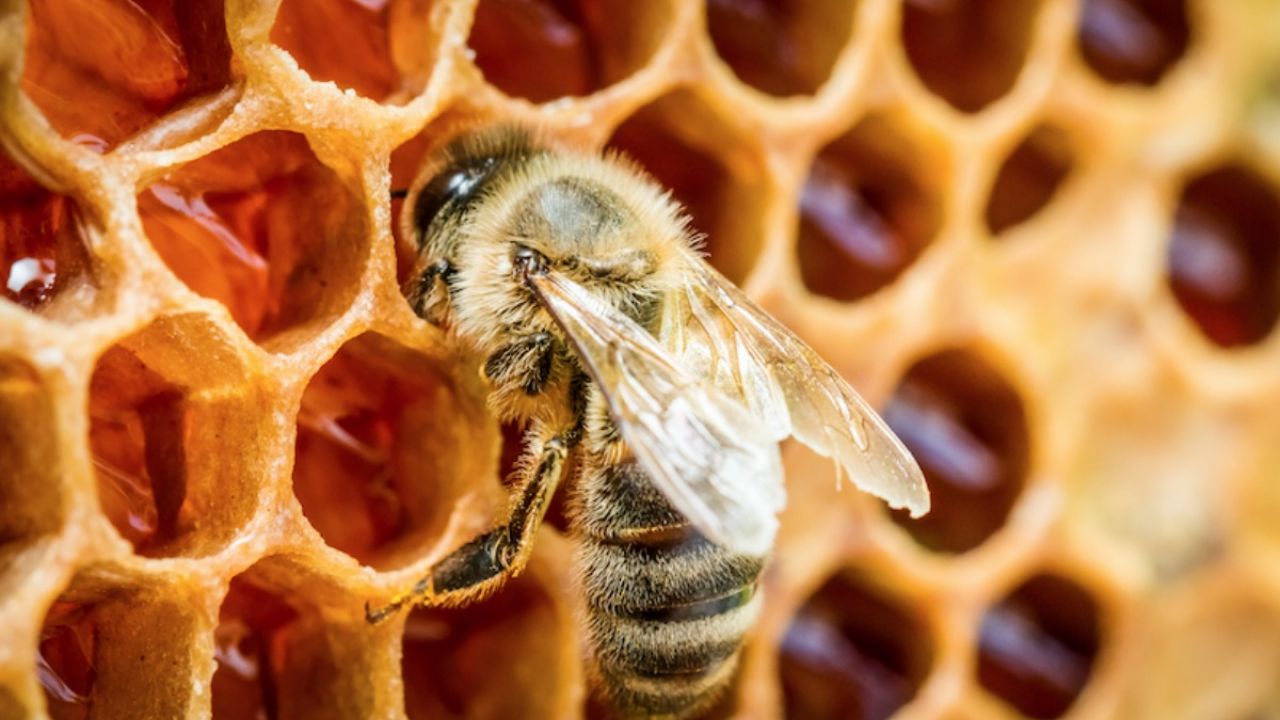
In 2018, the European Union banned all three for outdoor use because they harm pollinators.
“Dietary exposure is top of mind for EWG when it comes to pesticides, since food is the main way most people come in contact with them,” Temkin said. “We’re especially concerned with how exposure to the chemicals during particularly susceptible times, like pregnancy or early childhood, can potentially lead to serious health effects.”
Still, adults and children can be exposed to neonics in many ways. Neonic-treated grass can be a source of exposure, especially for kids. Neonics also have been shown to contaminate some surface water and groundwater – both of which serve as drinking water sources.
Tick and flea collars and treatments for dogs and cats may also contain these substances, exposing people who put them on or touch their pets.
The Centers for Disease Control and Prevention recently added neonics to its biomonitoring program. The CDC found that half the U.S. population was exposed to at least one neonic. This widespread exposure may one day help shed light on the insecticides’ effects on people.
Upcoming EPA decisions
Temkin earned a Ph.D. in biomedical sciences from the Medical University of South Carolina and a B.A. in biological sciences from Connecticut College.
“When I was in grad school, I understood how to do toxicity studies, but didn’t understand how the chemicals I was studying were regulated and how those studies could impact regulation,” she explained.
“So in my talk, I highlighted the EPA review process, because it only happens every 15 years. The really important decision-making comes down to these risk assessments,” she added.
During her remarks, Temkin encouraged conference participants to sign up for EWG’s email list to keep up with the EPA review process and find out about the latest neonics research.
“You can only really get involved in pesticide regulation during certain windows, when a comment period opens up, or when a decision or rule is put forth.”
She also noted that federal pesticide law sets a ceiling, not a floor, meaning states can enact stronger controls than the federal government on neonics and other pesticides.
California might be the state that regulates neonics most stringently, Temkin said, but even there, agencies may differ about the insecticides' risks to people. And Minnesota’s water quality standards for two neonics, clothianidin and imidacloprid, are based on guidelines that are more health-protective than EPA guidelines.
Temkin said EWG’s upcoming review of neonics data may help with pushing for a new approach in the EPA’s upcoming decisions, which the agency has indicated will happen in 2025.
“I would like to see strong restrictions and mitigations put in place to try and protect public health, especially farmworker health and children’s health,” she said.