SACRAMENTO – A bill introduced today aims to give parents and caregivers a clearer picture of what’s in the diapers they trust for their infants and toddlers every day.
Assembly Bill 1901 would, if enacted, require manufacturers of children’s diapers sold, distributed or manufactured in California to fully disclose their ingredients on the product’s packaging and online.
The California Diaper Ingredient Disclosure Bill addresses growing concerns about the chemicals and other ingredients in diapers, many of which are linked to serious health and environmental risks. AB 1901 was authored by Assemblymember Mark Berman (D-Menlo Park) and is co-sponsored by the Environmental Working Group, Consumer Reports and Children Now.
“As a new dad, I have a new appreciation for how important it is for parents to make informed decisions when it comes to the health and wellness of their children,” said Berman.
“We all want the best for our children, but the lack of transparency around diaper ingredients prevents us from knowing what ‘the best’ is when buying the one thing that is touching our baby’s skin every minute of their lives for years,” he said.
“I’m proud to author AB 1901 to give parents greater transparency into what chemicals are in their children’s diapers so that they can make the right choice for their family,” Berman added.
Newborns and toddlers especially vulnerable to chemical exposures
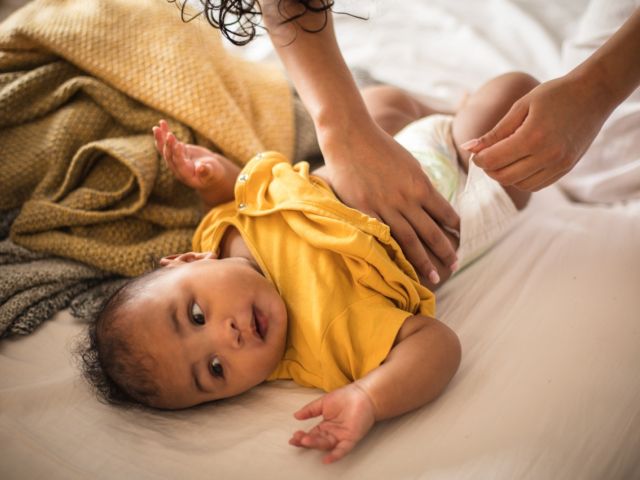
Babies’ thin, delicate skin and constant contact with diapers makes them particularly susceptible to their health risks.
“Chemical exposure during the most critical window of infant development can trigger a lifetime of health challenges,” said Susan Little, EWG’s California legislative director.
“Despite these high stakes, a lack of transparency allows diaper manufacturers to keep their ingredients secret, forcing parents into a guessing game,” she added.
Recent test results show many diapers are made with ingredients that can cause health and environmental problems, including phthalates, which are linked to hormone disruption, and bleaching agents, which can cause skin and respiratory irritation.
Volatile organic compounds, also often used in diapers, can include hazardous air pollutants like toluene and xylene, which are associated with respiratory and other health harms.
“Parents shouldn’t have to worry about potentially harmful chemicals in baby products, especially diapers. However, manufacturers are not required to be fully transparent with that information,” said Gabe Knight, senior policy analyst at Consumer Reports.
“This bill would help ensure that parents and caregivers have the information they need to make informed decisions about which products are best for their baby.
“Consumer Reports is pleased to support this bill and commends Assemblymember Berman for his work on this issue,” Knight said.
Certain wetness indicators and colorful designs may contain harmful compounds, heavy metals and dyes that can cause allergic contact dermatitis.
“Children, especially infants and toddlers, are not little adults. They are more susceptible and experience more significant health impacts from exposures to environmental health hazards than adults,” said Cara Cook, M.S., R.N., deputy director of the Alliance of Nurses for Healthy Environments.
“Infants and toddlers are especially vulnerable to harmful chemicals, because their bodies and skin are still developing. Unfortunately, some diaper ingredients and chemicals, such as phthalates, are linked to health risks in children,” she added.
Diapers can also use “undisclosed “fragrance,” an umbrella term that obscures many potentially harmful chemicals used in scent mixtures.
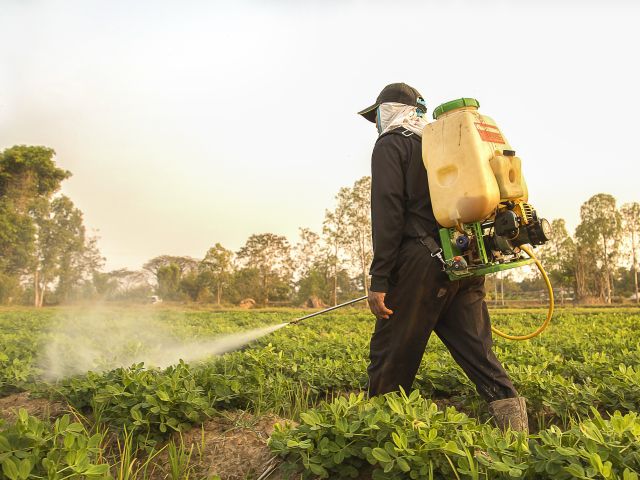
Cotton and other raw materials used to make diapers can contain pesticide residues.
“Nurses and other healthcare professionals care for infants whose skin is exposed to diapers around the clock,” said the CEO of American Nurses Association, California, Marketa Houskova, DNP, RN.
“Manufacturers should fully disclose all ingredients used in these products so families and clinicians can make informed decisions to better protect children’s health,” she said.
Commonsense solution to a transparency void
AB 1901 would help families make more informed purchasing decisions about products that sit directly against a baby’s skin.
If it becomes law, AB 1901 would set a January 1, 2028, deadline for the manufacturer of any children’s diaper sold, distributed or manufactured in California to list intentionally added ingredients publicly online. They would also have to provide details about the function or purpose of each ingredient.
One year later, the company would be required to disclose complete ingredient information online. After that, diapers that didn’t comply would be banned in the state.
Record of transparency making baby products safer
California has already shown that sunlight lowers the hazards of ingredients in baby products.
After the state required public disclosure of heavy metal tests results of baby food in January 2025, manufacturers responded by reducing contamination levels in many product categories. AB 1901 applies that same principle to diapers while giving parents and caregivers more informed choices.
“Parents and caregivers should be able to feel confident about the products they choose to keep their babies and toddlers clean and dry,” said Ted Lempert, Children Now’s president.
“AB 1901 is a ‘pro-kid’ bill that makes transparent information about diapers easily accessible, so families can make informed choices for their little ones.”
California a national leader
If enacted, AB 1901 would be a first-in-the-nation law requiring such full diaper ingredient transparency. AB 1901 follows a 2023 New York law that requires on-label disclosure of diaper ingredients.
“Stronger regulation and full disclosure are needed, and that’s why this bill is so important to protect children's health,” said Little. “California has the chance to lead the nation and provide an online and on-package disclosure model for other states by passing AB 1901.”
###
The Environmental Working Group is a nonprofit, non-partisan organization that empowers people to live healthier lives in a healthier environment. Through research, advocacy and unique education tools, EWG drives consumer choice and civic action.
Founded in 1936, Consumer Reports has a mission to create a fair and just marketplace for all. Widely known for our rigorous research and testing of products and services, we also survey millions of consumers each year, report extensively on marketplace issues, and advocate for consumer rights and protections around safety as well as digital rights, financial fairness, and sustainability. CR is independent and nonprofit.
Children Now harnesses collective power to achieve transformational and systemic results for California’s kids as one of the country’s most impactful kids’ nonprofits. Led by experienced policy and government relations teams spanning health, education, early childhood, child welfare, and a range of other areas, Children Now learns from kids and families where they need support and lift up solutions to policymakers with the power to act.