Articles by Iris Myers

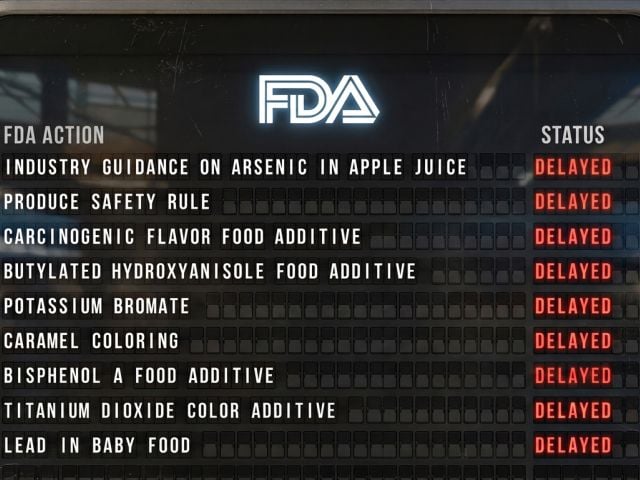
States, not the FDA, are now the front lines of food safety

Evidence keeps mounting about the health risks of common food chemicals. At the same time, Americans are waking up to the fact that the federal government not only doesn’t vet the chemicals used in...

Nearly three-quarters of U.S. baby foods are ultra-processed, new study finds

Most baby food sold in U.S. grocery stores is ultra-processed, a new study finds, raising fresh concerns about what many infants and toddlers are eating during a critical window of development. The...

Arsenic in brown rice: What you should know

Americans who regularly eat brown rice instead of white may be exposing themselves to higher levels of the heavy metal arsenic, a recent study from Michigan State University finds. The research also...

What is propyl gallate?

Propyl gallate is a preservative used in foods like chewing gum, meat products, vegetable oil and more. It helps prevent fat and oil from spoiling and is frequently used together with the food...
The fight for food reform

For decades, potentially harmful chemicals have been allowed for use in our food, often without proper oversight. EWG has long been working to change that. We’ve joined forces with the Center for...

No dyes, no problem: Your favorite snacks will still taste the same without synthetic colors
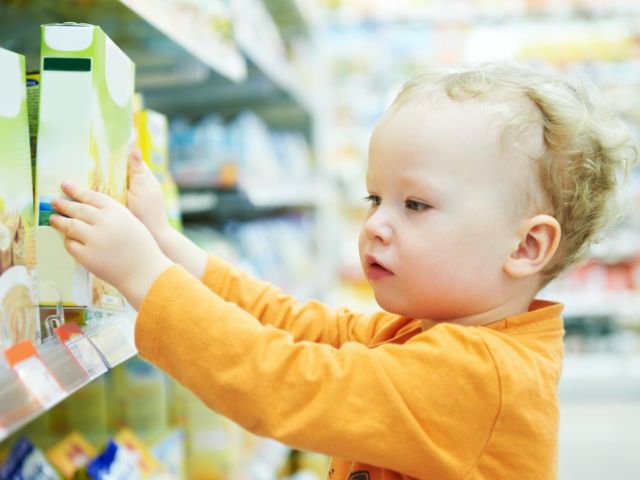
Processed food and drinks often use artificial dye to boost their appeal, especially if they’re marketed to children and teens. But these colorants have a range of health risks, so some states are...

14 food chemical actions RFK Jr. can take to ‘Make America Healthy Again’

The food we eat should be nourishing and safe. But thousands of chemicals, some of which may be toxic, are allowed in a wide range of products, such as snacks, bread and more.

Revealing the risks of synthetic dyes and titanium dioxide in holiday treats
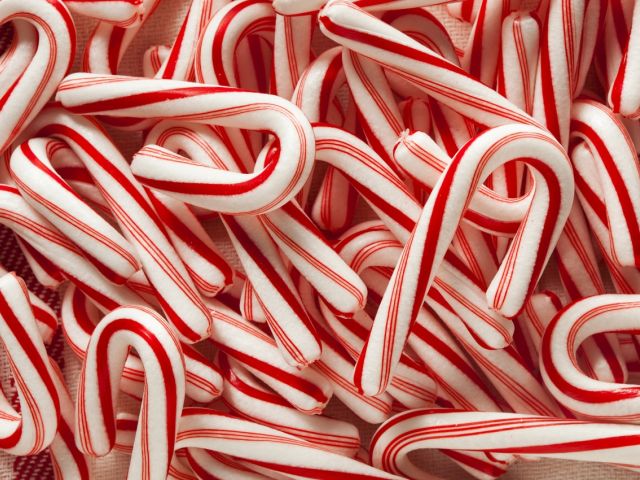
The holiday season is when many indulge in seasonal treats, with peppermint-flavored candy, frosted cookies and brightly colored confections filling our tables and stomachs. But behind the festive...

Unwrapping the mystery behind peppermint-flavored treats
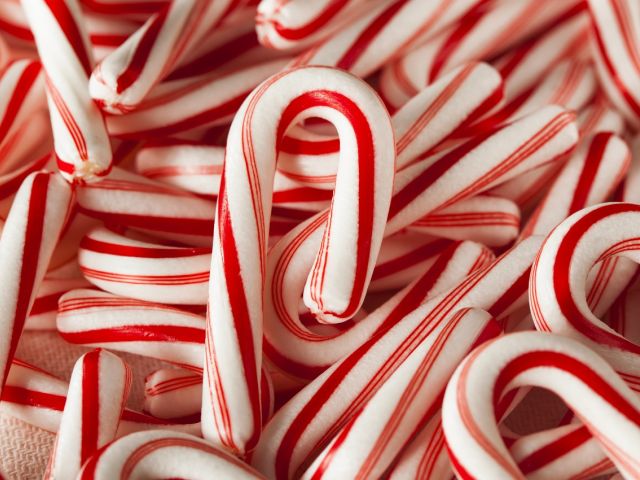
With the holiday season fast approaching, peppermint treats take center stage. From candy canes to lattes, this refreshing flavor seems to be everywhere. But while the aroma and taste of peppermint...

Unmasking the ingredients in fall’s favorite flavor: Pumpkin spice
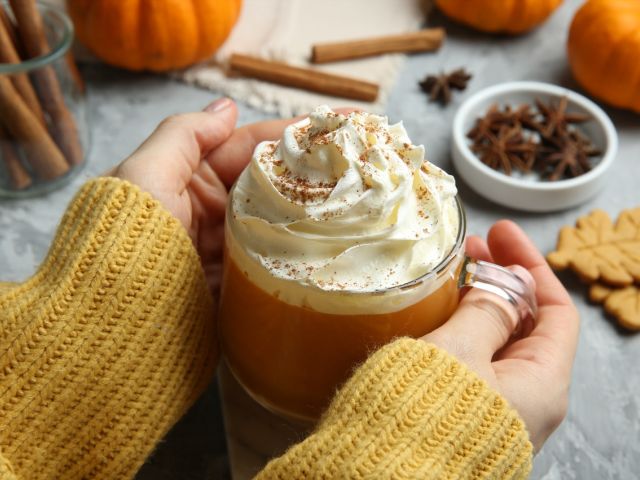
Pumpkin spice season is officially here. As soon as the temperature drops and the first leaves start to change color, everything edible from lattes to muffins, cheeses and ice cream takes on this warm...

House trio urges FDA to end foot-dragging, ban toxic formaldehyde in hair straighteners

Three House lawmakers are calling out the Food and Drug Administration for its yearslong delay in banning hair-straightening treatments that contain or emit cancer-causing formaldehyde . They urge the...

Clean slate: Choosing better stain removers for a healthier home
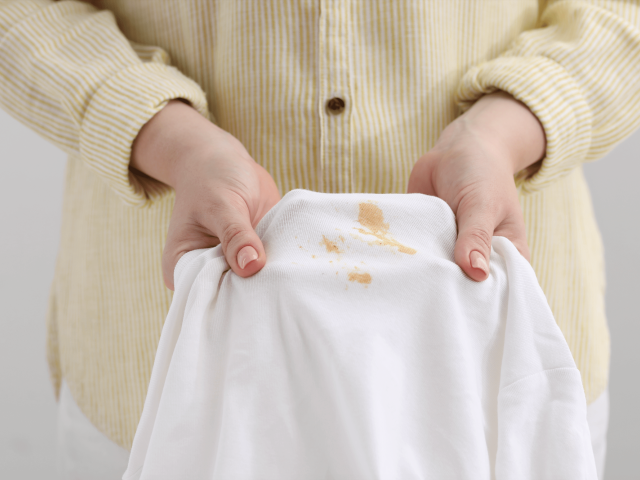
Summer is officially here, and with it the joys of children playing outside, exploring and – inevitably – getting dirty. These outdoor activities are good for kids’ health and development, but they...

From baguettes to bombs: Surprising industrial uses of common food chemicals
What does bread have in common with explosives, industrial cleaners and photo-developing solution? You may be surprised to learn they’re all made with the same chemical ingredient.

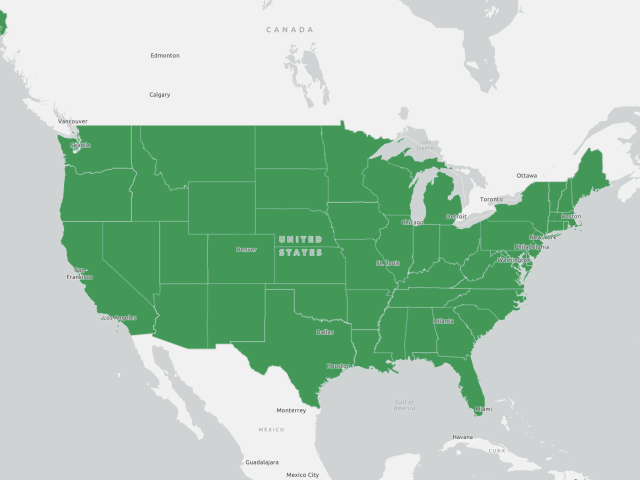
Interactive map: Tracking state food chemical regulation in the U.S.
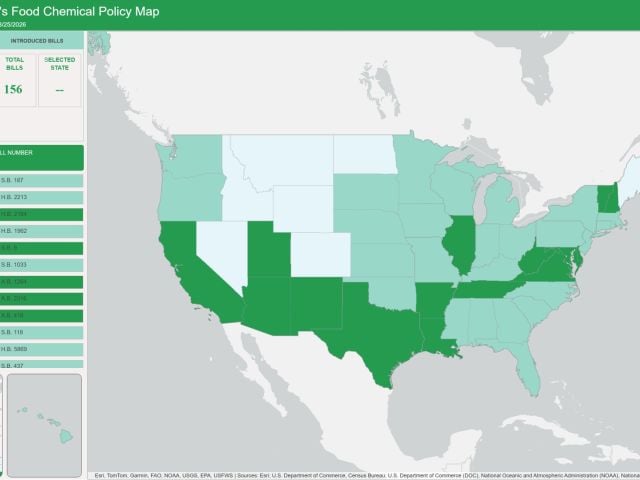
Thousands of chemicals are allowed for use in food sold in this country. And while most of these are likely safe to eat, some have been linked to serious health harms.

Why does EWG release its Shopper’s Guide to Pesticides in Produce™ each year?

With its Shopper’s Guide to Pesticides in Produce™, released almost every year since 2004, EWG’s goal is to educate the public about pesticides on popular fruits and vegetables, so consumers can make...

What is sodium benzoate?

Sodium benzoate is a preservative found in fruit juices, fermented foods, sauces and some pancake syrups.

Heartbreaking: Harmful food dyes in Valentine’s Day candy

Heart-shaped candies, the ubiquitous Valentine’s Day sweet treats, may contain potentially problematic food dyes – likely at levels that are harmful to health.

Companies fight to keep consumers in the dark about chemicals in cleaners

During the cold winter months you may spend more time inside than out. And you may do more cleaning, especially because it’s also the flu and COVID season. But before you reach for that spray cleaner...

Snow joke: Food additives stocked in festive candies

Regardless of the seasonal holidays you celebrate, one winter symbol is ubiquitous across the United States: the snowman. So it’s no surprise you can find snowman-themed products, from plush toys to...

Mixing up healthier holiday cocktails

Holiday party season is upon us, which means savory appetizers, festive desserts and seasonal cocktails and mocktails.