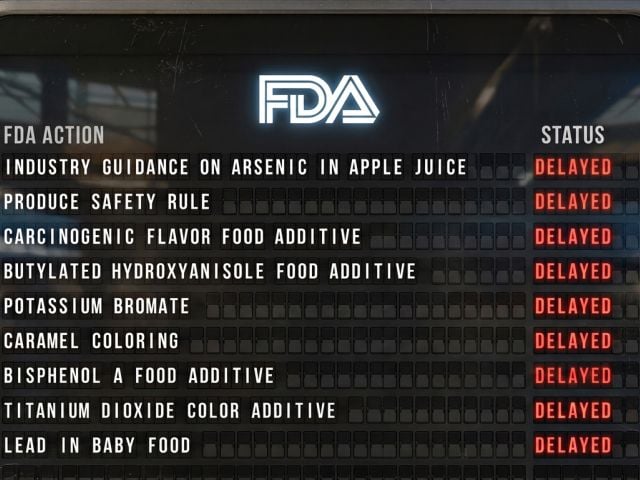
Evidence keeps mounting about the health risks of common food chemicals. At the same time, Americans are waking up to the fact that the federal government not only doesn’t vet the chemicals used in our food, but they are also often the last to act when evidence of harm arises.
In the face of federal inaction, states are stepping in to fill the void. Across the country, lawmakers are moving to regulate harmful food chemicals that have been linked to endocrine disruption, behavioral difficulties and inattentiveness in sensitive children, and even cancer.
A wave of state action
Dozens of bills in more than 15 states are moving through statehouses, targeting additives known to harm human health, including food dyes, potassium bromate and titanium dioxide.
State-level pressure is proving to be an effective catalyst for federal movement. For example, in 2023, the California Food Safety Act banned four harmful additives from food: potassium bromate, propyl paraben, brominated vegetable oil and Red Dye No. 3.
Just one month later, the Food and Drug Administration proposed revoking the authorization of brominated vegetable oil for use in food. In January the following year, the agency then announced a ban on Red 3 in food.
New gold standards
These aren't isolated efforts. They show a rapid shift in how food safety is regulated in the U.S. Other important milestones:
- 2023. The Golden State set the initial gold standard with the landmark California Food Safety Act.
- 2025. West Virginia passed the most comprehensive food chemical law yet, which banned Red 3, Red 40, Yellow Dye No. 5, Yellow 6, Blue Dye No. 1, Blue 2 and Green Dye No. 3, as well as propylparaben and BHA from all foods sold and produced in the state.
- 2026. Bills that seek to remove harmful food chemicals in schools are moving through the state legislatures in Vermont and Indiana. Iowa, New Jersey, New York and many others are following suit with similar bans on toxic additives in schools and statewide.
For a complete view of state food chemical bills, check out EWG’s interactive tracking map.
What can you do right now?
While states take action to protect us, you can lower your intake of harmful food ingredients.
Consult EWG’s Food Scores database to find products that aren’t made with toxic chemicals. Food Scores also flags unhealthy ultra-processed foods and can help you identify less-processed alternatives.
On the go, you can use our Healthy Living app to find products.
When possible, you can also choose foods that are certified organic. These products must meet strong standards that protect consumers from exposure to potentially harmful artificial additives.