Displaying 6073 - 6096 of 8009
Exposures add up – Survey results
A personal care product use survey of more than 2,300 people, conducted by EWG and a coalition of public interest and environmental health organizations, shows that the average adult uses 9 personal...
Congressional investigation finds U.S. crypto miners consume enough electricity to power Houston, cause bill spikes
The explosion of U.S. cryptocurrency mining operations and the electricity needed to power the computer-based financial transactions are hiking energy bills and greenhouse gases, according to a...

What are endocrine disruptors?
A class of potent chemicals is wreaking havoc by interfering with our hormone system. They’re called endocrine disruptors and they throw off the regular functioning of the hormone system, causing a...

Kids and plant-based proteins: Getting your children on board
Over the years, I have worked with many children, in homes and schools. All too often, parents and teachers complain that younger palates are limited to unhealthier choices, and that picky eating is...

EWG's 2012 Shopper's Guide to Pesticides in Produce
Well, as we do each year, EWG released (on June 19) the latest Shopper's Guide to Pesticides in Produce and as we suspected, eaters around the country are still concerned about high levels of toxic...
EWG applauds cryptocurrency energy use oversight provision in Senate digital assets bill
The Environmental Working Group today applauds Sen. Debbie Stabenow (D-Mich.), chairwoman of the Senate agriculture committee, Sen. John Boozman (R-Ark.), the ranking member, and Sens. Cory Booker (D...

California city water agencies fight legislative effort to set strict health safeguards for lead pipeline replacements
The Environmental Working Group is urging California lawmakers to pass a strong bill to ensure safe and quick replacements of lead-contaminated pipelines, and oppose a loophole allowing the work to be...

EPA must prioritize funds to meet PFAS ‘Roadmap’ deadlines
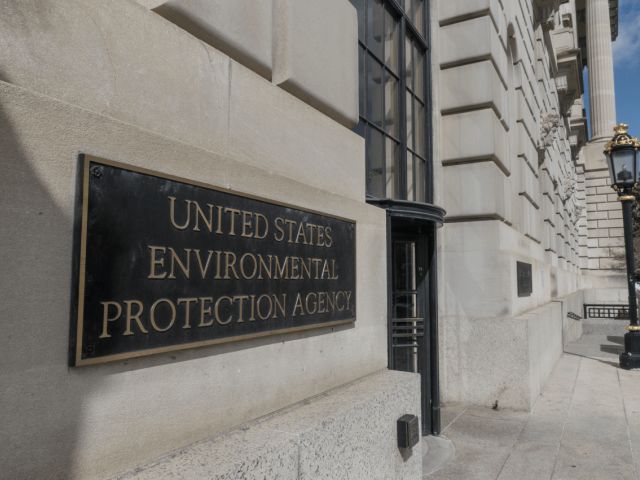
Environmental groups today sent a letter urging Environmental Protection Agency Administrator Michael Regan to prioritize funds for meeting deadlines in its “Roadmap” for tackling the “forever...
Sixty years since the chemical industry knew of its dangers, more and more is being uncovered about the scope and risks of the PFAS contamination crisis. Here is a curated list of resources that detail the explosive history of “forever chemicals.”

EWG's Guide to Healthy Cleaning: How did we do it?
What's in those bottles on top of my washing machine and under my sink? We've been asked that question thousands of times - especially by fans of EWG's Skin Deep database, who value our brand of...

Fast-food restaurants should ditch packaging coated in ‘forever chemicals’
Some fast-food restaurants are moving quickly to get the toxic “forever chemicals” known as PFAS out of food packaging, but others have not committed to phasing them out.

Study finds new link between lead in private waters wells and juvenile delinquency
A first-time study of the link between early-life exposure to lead in private water wells and juvenile delinquency finds that children who get lead-laced drinking water from private wells have much...

EWG comments on the California State Water Resources Control Board proposed Maximum Contaminant Level for hexavalent chromium
The Environmental Working Group submitted public comments to the California State Water Resources Control Board, urging it to set the Maximum Contaminant Level for hexavalent chromium as close as...
U.S. government’s $650 billion buying power could move markets to PFAS-free products
Curbing the needless use of the toxic "forever chemicals" known as PFAS could end their cycle of contamination, and the U.S. government has an extraordinary ability to move markets to PFAS-free...

Consumer Guides
For parents and caregivers
EWG has compiled information on our top resources — consumer guides, tip sheets and videos to make it easier for parents and caregivers to make safer and healthier decisions when it comes to getting your family to start eating healthier, avoiding the impact of toxic chemicals, choosing safer products for your kids, and more.

USDA livestock subsidies near $50 billion, EWG analysis finds
The Department of Agriculture has spent almost $50 billion in subsidies for livestock operators since 1995, according to an EWG analysis.

Californians are familiar with the monthly ritual of being subject to high energy bills from Pacific Gas & Electric, which boost the company’s bottom line even as it fights clean energy like solar, mismanages power lines that spark wildfires, prioritizes profits and ignores the climate crisis. It does so thanks to outsize influence with state policymakers.
FDA test results again downplay risks of ‘forever chemicals’ in food
The Food and Drug Administration’s release yesterday of tests for the presence of the “forever chemicals” known as PFAS in food once again downplays the risks the substances pose to consumers, with...

Lilial and fertility: EU bans toxic fragrance ingredient from personal care products
On March 1, the European Union’s ban of the fragrance ingredient butylphenyl methylpropional, or lilial, went into effect.

New Amazon Aware line of beauty products are EWG VERIFIED®
This week, Amazon announced its new line of Amazon Aware consumer products, including a number of beauty products that have earned the Environmental Working Group's highly sought EWG VERIFIED® mark.

Cooking Through Winter's Bitter Bounty
When the weather turns, the days get shorter and it's time to get out the winter clothes, it's also high season for the Brassicaceae, or mustard family, on your family's dinner table.

EPA data show almost 900 ‘forever chemical’ foam releases, many into local waterways
Data newly released by the Environmental Protection Agency show almost 900 spills or uses of firefighting foam made with the toxic “forever chemicals” known as PFAS across the U.S. and the amount that...

"The EWG list of best sunscreens can't be beat in my opinion."
Late last week, news outlets began reporting that the Federal Communications Commission was considering revising its cell phone radiation testing methods - for the first time in 15 years. Early this...
For farmers, historic $20 billion climate spending could save more than the planet
Historic $20 billion spending, in the Inflation Reduction Act, or IRA, to reduce greenhouse gases from agriculture could not only save the planet, it might also help preserve the good will most...