Displaying 4393 - 4416 of 8009
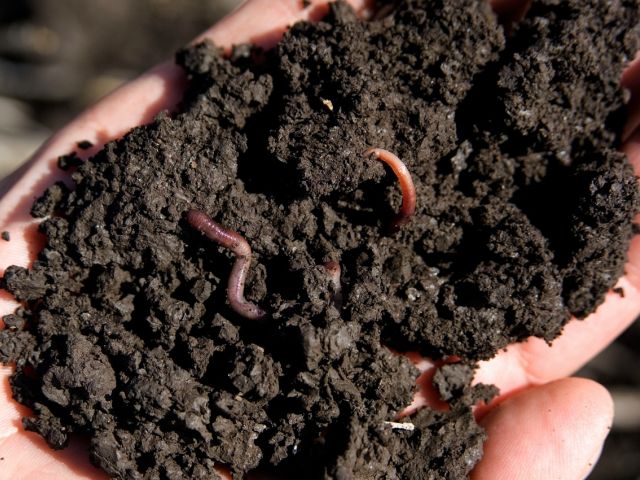
Study: Pesticides harm soil invertebrates but EPA fails to recognize impact
After reviewing hundreds of pesticide analyses, a recent study found that many pesticides approved for use in the U.S. and elsewhere are very damaging to soil invertebrates like earthworms, beetles...
Study: Wireless radiation exposure for children should be hundreds of times lower than current federal limits
A peer-reviewed study by the Environmental Working Group recommends stringent health-based exposure standards for radiofrequency radiation emitted from wireless devices for both children and adults...

Leading clean energy and environmental justice advocates and utility industry experts held an online briefing to discuss a PG&E-backed plan, which regulators could soon approve, to quash California’s popular rooftop solar program. If enacted, the proposal would exact a heavy financial toll on captive ratepayers, just as electric bills for millions of working-class Californians are skyrocketing.

Many companies declare that their products have no added PFAS. The brands listed below are chiefly drawn from the registries of Green Science Policy Institute, ChemSec and Cradle to Cradle Certified. Additional brands are included.
New tests find toxic 'forever chemicals' in bedding, yoga pants and other textiles
Two new reports find detectable levels of the toxic “forever chemicals” known as PFAS in consumer textile products like bedding, tablecloths and sportswear.

Research
EWG crop insurance database
The Federal Crop Insurance Program is a federally subsidized program that pays farmers when their crop yields or revenues decline, expending billions of taxpayer dollars each year.

Una amenaza tóxica se presenta en muchas partes del condado de Ventura, en California, donde todos, desde los trabajadores agrícolas hasta las familias, podrían correr el riesgo de una mayor exposición a pesticidas dañinos.

Almost 250 DOD sites have detectable levels of ‘forever chemical’ PFHxS
A toxic “forever chemical” detected in the blood of West Virginia residents is also commonly found in the groundwater or drinking water or both of almost 250 Department of Defense sites.

Biden EPA revives justification for coal utility mercury rule
The Environmental Protection Agency today announced a proposed rule restoring the legal foundation for limiting coal-fired power plants’ mercury emissions under the Clean Air Act, a finding the Trump...

Does cell phone radiation affect men’s fertility?
Cell phone use – and exposure to radiofrequency radiation – can harm male fertility, according to a new study.

EWG applauds USDA climate pilot projects, calls for Senate to pass Build Back Better Act
WASHINGTON – The Environmental Working Group today applauded the Department of Agriculture for dedicating $1 billion to “climate smart” pilot projects designed to measure and verify practices that may...

EWG: California’s $30B future energy transmission plan stuck in past, ignores residential solar, efficiency
A draft plan released last week claims California will need to spend more than $30 billion on additional transmission infrastructure for Pacific Gas & Electric and other investor-owned utilities to...

EWG analysis: As climate crisis accelerated, 10 Mississippi River basin counties raked in $3 billion in crop insurance payouts
Ten counties in the Mississippi River basin received over $3 billion in crop insurance payments between 2001 and 2020, much of it for losses caused by extreme weather tied to the climate crisis...

Cell Phone Radiation May Alter Brain, DNA
New research by Russian scientist Igor Belyaev, Ph.D., and Turkish researcher Nesrin Seyhan, Ph.D., shows that radiation emitted from portable devices may damage DNA and disrupt the process of DNA...

FDA test results again downplay risks of ‘forever chemicals’ in food
The Food and Drug Administration’s release today of tests for the presence of the “forever chemicals” known as PFAS in food once again downplays the risks that the substances pose to consumers, with...

EWG news roundup (8/27): ‘Forever chemicals’ taint military sites across the nation, FDA downplays PFAS risks in food and more
EWG news roundup (8/27):Here’s some news you can use going into the weekend.

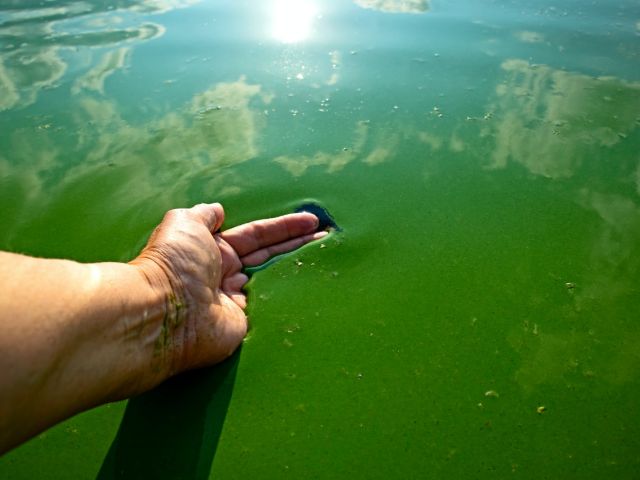
Avoid potentially toxic algae during Labor Day weekend: Almost 400 outbreaks already in 2021
At least 39 states are suffering potentially toxic algae bloom outbreaks this year, with almost 400 news reports of incidents already in 2021 – a 25 percent leap from reports by the same time last...
House Armed Services Committee advances critical PFAS actions, cleanup funds
The House Armed Services Committee is expected as early as this evening to advance the National Defense Authorization Act for fiscal year 2022, with critical provisions for the Pentagon to address the...

Study: Certified organic packaged foods contain fewer ingredients linked to negative health effects
Questions persist about just how much healthier organic produce is compared to conventional food, yet until now, no study has systematically considered the differences between organic and non-organic...

Staying safe under the sun: How melanin levels can significantly affect skin cancer risk
Skin cancer is one of the most common types of cancer worldwide and the most diagnosed cancer in the U.S. Recent research shows that melanin, a pigment found in hair, skin and eyes, can play a...

Local fire departments need Congress’ help for switch to PFAS-free foam and gear
Firefighters are among those most highly exposed to harms from the toxic “forever chemicals” known as PFAS through their protective gear and firefighting foam, but many local fire departments lack the...

EWG applauds Biden’s ambitious goal for solar to produce almost 50 percent of U.S. electricity by 2050
President Joe Biden’s ambitious plan for the U.S. to produce almost 50 percent of its electricity from solar by 2050 is achievable and vital to stave off the worst impacts of the climate crisis, said...

EWG news roundup (9/10): Two major bills in California head to Gov. Newsom, congressional push to protect firefighters from ‘forever chemicals’ and more
EWG news roundup (9/10): Here’s some news you can use going into the weekend.
EPA’s plan to regulate industry ‘forever chemicals’ discharges falls short
The Environmental Protection Agency’s proposal to regulate some industrial discharges of the toxic “forever chemicals” known as PFAS into our drinking water falls short of what’s needed to turn off...