Displaying 4321 - 4344 of 8009
EWG’s Comments to EPA on Chemical Review Prioritization
With these comments, EWG advises the Environmental Protection Agency to not focus its limited time and resources protecting the bottom lines of chemical companies by creating long lists of “low...
EWG Comments to the California Department of Toxic Substances Control on Proposed Priority Listing of PFASs in Carpets and Rugs
EWG has submitted comments to the California Department of Toxic Substances Control on the agency's proposed listing of carpets and rugs containing PFAS chemicals as a priority product for review as...
House Farm Bill Misses Mark
WASHINGTON - The following is a statement from EWG Senior Vice President for Agriculture and Natural Resources Craig Cox on the House farm bill: Every farm bill is an opportunity to meet some of...
EPA May Ban Deadly Paint Stripper Chemical
WASHINGTON – Today the Environmental Protection Agency signaled it would move forward with a proposed ban of the highly toxic paint stripping chemical methylene chloride, which was initially proposed...
Proposed federal fluoride cap too high
Last Gasp
EWG's analysis of campaign gifts and air pollution data concludes that too many politicians in the House of Representatives side with their contributors and against their constituents on air pollution, even in U.S. metropolitan areas where air pollution prematurely ends thousands of lives each year.

EWG Comments on Use of Term "Healthy" in the Labeling of Food Products
Take More Money and Run
During the past two years, anti-environmental corporations vigorously attempted to convince the U.S. Senate to undo environmental health and safety standards. EWG searched public disclosure records to determine whether generous contributions from PACs associated with an anti-environmental agenda were an effective tool to help them persuade senators to support such an agenda.

EWG Applauds Biden’s Nomination of Richard Glick To Chair Federal Energy Regulatory Commission
The Environmental Working Group applauds President Biden's nomination of Richard Glick to be chairman of the Federal Energy Regulatory Commission. Initially nominated by then-President Trump, Glick...

Watchdog Coalition To Hold Duke Energy Accountable for Environmental and Economic Injustice
A coalition of public interest, environmental and economic justice organizations will convene the first-ever hearing to examine Duke Energy's policies and practices, which have polluted and...

For Years, Solvay Kept Tests Secret Showing Health Hazards of ‘Forever Chemical’
Solvay Specialty Chemicals failed for up to eight years to report animal and human tests showing the health hazards of one or more of the fluorinated “forever chemicals” known as PFAS, the...

Biden Moves Aggressively on Climate Change, Environmental Justice With Sweeping Executive Orders
In a sharp break from the policies of the Trump administration, President Biden today issued an ambitious series of executive orders to combat the climate crisis, embrace science and foster...

The Nation's New Pesticide Law

EWG’s Guide To Healthy Cleaning: Tips for Greener Cleaning
EWG comments to NTP to prioritize professional and domestic cleaning workers in their occupational and inhalation exposure program
EWG news roundup (4/23): EWG partners with EnergySage to promote solar, California lawmakers advance bill banning ‘forever chemicals’ in food packaging and more

D.C. sues baby food company for misleading parents about its products’ safety
The attorney general of Washington, D.C., has filed a lawsuit against the nation’s second-largest manufacturer of baby food, Beech-Nut, for knowingly making false claims about the presence of heavy...

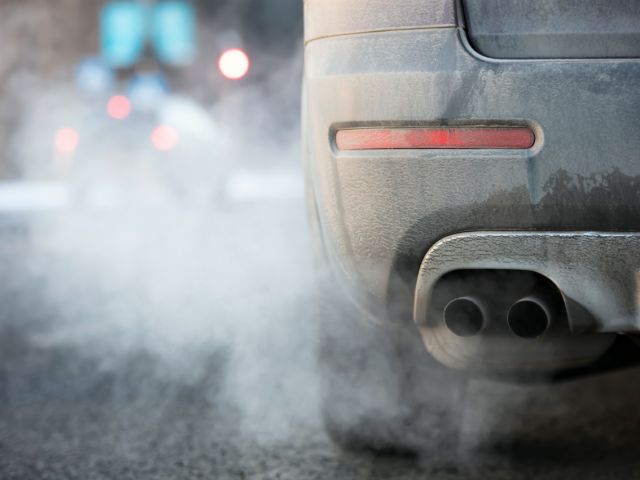
Biden EPA moves to reverse Trump-era rollback of California’s strict tailpipe emissions standards
Background Information on Cyanazine

Watchdog coalition to hold hearing on Duke Energy’s dismal record confronting the climate emergency