Thank you for the opportunity to testify.
My name is Scott Faber, and I am the senior vice president for government affairs for the Environmental Working Group, a national nonprofit environmental health organization. I am also an adjunct professor of law at Georgetown University Law Center, where I teach food and farm law. Prior to joining EWG, I was the vice president for federal affairs for the Consumer Brands Association, formerly known as the Grocery Manufacturers Association.
Thank you for holding today’s hearing on legislative proposals to address food policy. Food that is safe, affordable and healthy, and that is produced in ways that reflect America’s shared values, is not a partisan issue. All Americans, regardless of party, want our food to be safe, affordable and healthy.
Many of our food and farm laws have not been updated in decades, or are not being implemented in ways that reflect our shared commitment to safe, affordable, healthy food.
Many Americans simply lack access to healthier foods.
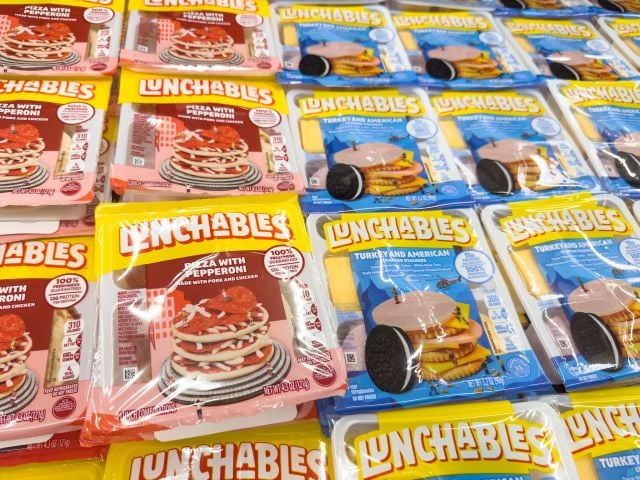
Diet-related disease is now our leading cause of death, surpassing smoking, as consumers struggle to distinguish between ultra-processed food, and healthier processed foods.
And every year, thousands of us are sickened by pathogens, and hundreds die. Too many of us eat food that is contaminated with toxic metals or contaminants like PFAS. Too many of us eat food that contains food additives and substances that have been linked to serious health harms, including cancer.
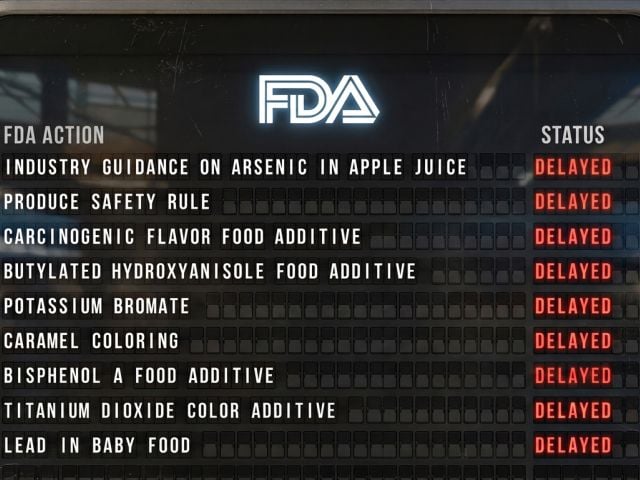
In particular, nearly 99% of new food chemicals have, since 2000, been approved for safety by food chemical companies, not the Food and Drug Administration. And the FDA rarely reconsiders the safety of the thousands of chemicals we’re already eating. Many of these new chemicals were added to our food without the FDA’s knowledge.
In the absence of federal action, our states have played an important complementary role, by phasing out the most troubling food chemicals, especially from school foods. Arizona, California, Delaware, Louisiana, Tennessee, Texas, Utah, Virginia and West Virginia are protecting our children from chemicals of concern in school foods.
Many of the bills that are the subject of today’s hearing would help make our food safer and healthier by:
- updating food labels
- banning chemicals of concern
- alerting consumers to hidden threats
- ending deceptive practices
- reducing heavy metal contamination, especially in baby and toddler food
- modernizing how we review food chemicals.
To ensure the safety of our food, Congress should require that all new food chemicals be approved for safety by the FDA, not food chemical companies, and should direct the FDA to reconsider the safety of the chemicals we’re already eating, starting with food chemicals linked to cancer and other serious health harms. Chemicals that pose serious risks, like cancer, should not be in food, let alone considered “generally recognized as safe,” and should be quickly removed from our food.
Food chemical assessments should be based on publicly available, scientific studies, and consumers should have the chance to share their views and receive a response from the FDA.
Congress should ensure that the FDA has the culture and clear deadlines needed to restore consumer confidence in the safety of food chemicals. Congress should also ensure that baby and toddler food is safe. Recent food safety failures and investigations have underscored the need to increase tests for more pathogens and immediately report the results, and to set and enforce tough standards for neurotoxic heavy metals like lead.
To meet these responsibilities, Congress should allow the FDA to assess fees on chemical and food companies to ensure the FDA has the resources to be a full partner with our states.
Congress should not, as proposed by a bill under consideration at this hearing, make our broken food chemical safety system even worse by allowing food chemical companies to bypass FDA review altogether and instead allowing industry-funded panels of industry insiders to approve new food chemicals that can be immediately added to food.
Congress should not, as proposed, reduce the amount of information about new chemicals that must be submitted to the FDA. Nor should it allow a new chemical to be added to food without a thorough review and presume it to be safe just because the FDA has missed an artificial deadline.
Congress should not, as proposed, weaken longstanding legal standards, allow hundreds of food additives and substances to escape FDA review through legal redefinitions, simply declare that all the substances now allowed in food are “safe,” or allow the chemical industry to decide whether new uses of chemicals are not “substantial” enough to require FDA review. Congress should not further delay standards for heavy metals in baby food.
Most importantly, Congress should not, as proposed, block states from providing important protections, especially when the FDA fails to protect us. State and local governments are partners critical to the FDA, inspecting food manufacturing facilities, ensuring our restaurants are safe, protecting us from toxic chemicals and contaminants in our food, enforcing food safety laws, and responding quickly when pathogens threaten our health.
Our states are part of the solution, not the problem.
Safer food starts with tougher standards and safeguards implemented by trusted, unbiased experts, not by industry-funded panels and secret studies. To help consumers identify healthier foods, we must make our labels clearer and expand access to healthier options. Processed foods can be part of a healthy diet, and many processed foods are healthier foods: low in added sugar, saturated fat and sodium – and free from dodgy additives.
Congress should make it easier for busy consumers to find these healthier foods at glance.
Reforms that make our food safer and healthier will not increase the price of food. The same foods are being made in other nations without chemicals of concern or misleading labels and cost the same amount. Many factors impact the price of food – including the cost of labor, energy, transportation and marketing – but replacing a toxic chemical with a safe alternative or changing a label to help busy shoppers is not one of them.
Food manufacturers have thousands of additives and substances at their disposal, so banning a handful linked to cancer or other health harms will not increase the cost of food. By contrast, the cost of inaction – rising health care costs caused by poor diets and lost productivity due to foodborne illness – is significant and growing.
In the absence of federal action, our states are working together to reduce the presence of ultra-processed food in our schools and to identify and address chemicals of concern that are banned elsewhere and excluded from identical products offered by the same food companies at the same cost.
I work with state and local legislators every day. Many of you were state and local legislators. We know state and local legislators are thoughtful, dedicated public servants who want what we all want: safe, healthy and affordable food. Until the FDA is doing its part, state and local legislators simply want the ability to keep us safe.
Thank you for the opportunity to testify. I am grateful this committee has chosen to hold this hearing at a moment when food policy is on the minds of so many consumers.