With the Bush administration dragging its heels on limiting mercury emissions from power plants, concerned New Hampshire citizens are calling for legislation independent of federal regulations, the New Hampshire Union Leader reports. A new bill in the state Senate requires an 80 percent reduction in mercury emissions in eight years, as well as a cap on carbon dioxide.
New Hampshire’s clean-up efforts come in response to a federal proposal allowing a cap-and-trade for mercury emissions that was expected in December, but delayed. Conservationists will likely challenge the rule in court if it’s enacted, but nothing can be done until then, conveniently leaving mercury up in the air — and continuing to seep into our water.
New Hampshire and a coalition of other Northeastern states on the receiving end of pollution from power plants in the West want plants held to the emissions standards of the Clean Air Act, which requires them to install pollution reduction equipment. Other bills in the state legislature deal with banning mercury in landfills and consumer goods.
The Environmental Working Group performed a year-long study that found a signature metabolic link between mercury and autism. The group has also studied mercury in seafood, finding dangerous levels in several types of fish, particularly canned albacore tuna.
Mercury exposure causes neurological and developmental problems in children, but kids and pregnant mothers aren’t the only ones who should limit their consumption. A new Finnish study found that eating fish with high mercury levels puts middle-aged men at greater risk for heart attack and stroke.
View EWG’s studies on mercury and autism, mercury in seafood, and mercury pollution from coal-burning power plants.
Related News
Continue Reading
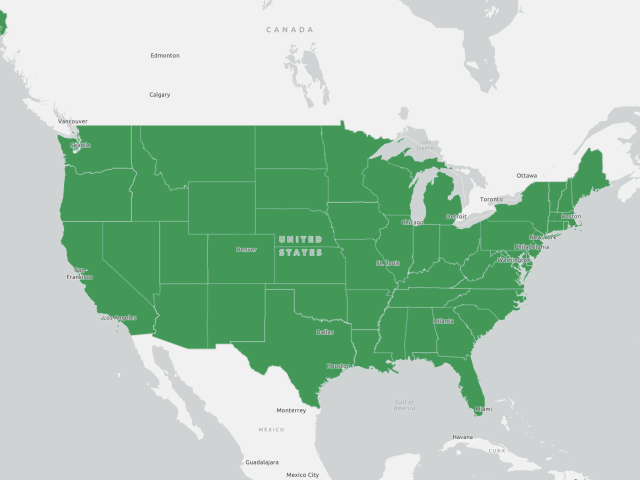
Interactive map: Tracking state food safety laws at risk of federal override
In April, Rep. Kat Cammack (R-Fla.) proposed a draft bill that would, if enacted, further hobble an already broken system that allows scores of food chemicals to come onto the market with little...

California’s surface water and sediment are often contaminated with PFAS pesticides
Pesticides that are part of the family of toxic “forever chemicals” known as PFAS contaminate surface water and sediment in agricultural areas across California, an EWG analysis finds.
PFAS pesticides...
EPA is undoing PFAS protections. How can you remove ‘forever chemicals’ from tap water?
“Do I have PFAS in my tap water? How can I get rid of PFAS in drinking water?”
If you’re asking these questions, you’re not alone. The Environmental Protection Agency formally proposed to undo...

‘Forever chemicals’ in drinking water: How exposure can impact infant health
Exposure through drinking water to the toxic “forever chemicals” known as PFAS can harm infant health before birth, a recent study finds. The risks of exposure can include premature birth, low birth...