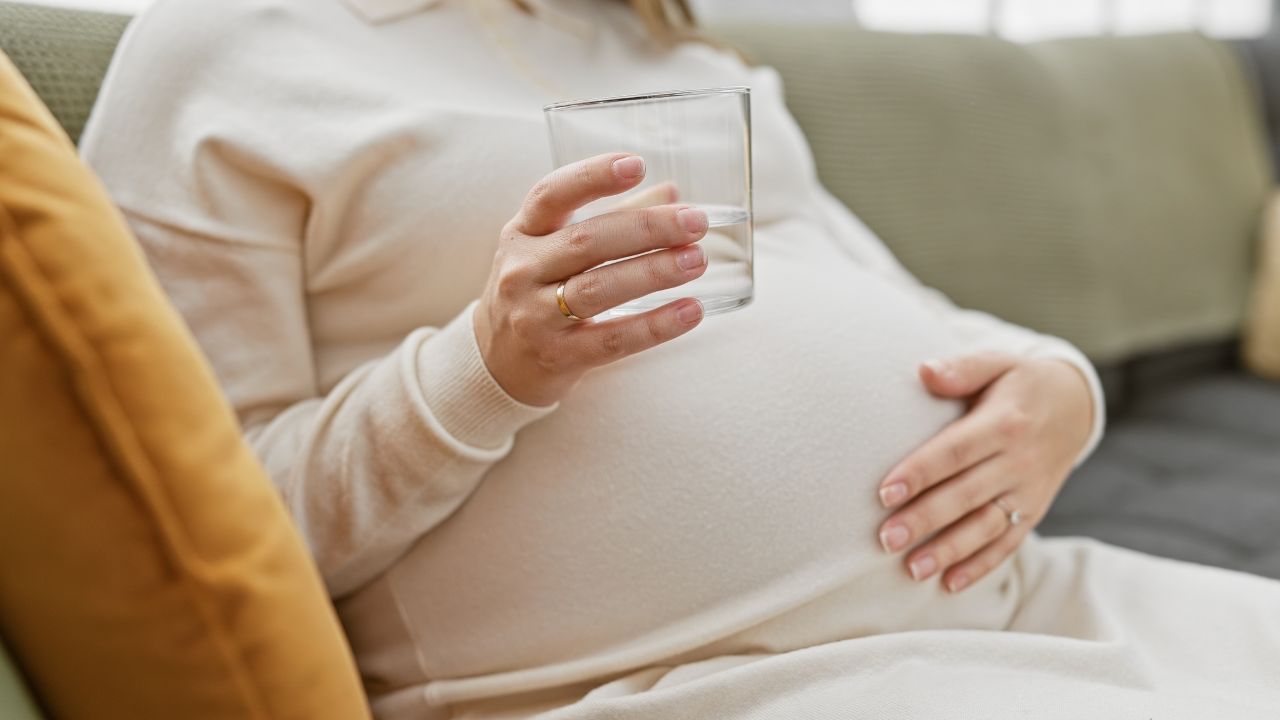
Exposure through drinking water to the toxic “forever chemicals” known as PFAS can harm infant health before birth, a recent study finds. The risks of exposure can include premature birth, low birth weight and even infant mortality.
University of Arizona researchers found that babies born to people living downstream from a PFAS-contaminated site were far more likely to give birth before 28 weeks and give birth to infants weighing under 2 pounds, compared to people whose drinking water sources were upstream of the site.
The research examined data on PFAS in drinking water and birth outcomes from over 11,000 births from 2010 to 2019 in New Hampshire.
Premature birth and low birth weight are key factors linked to infant mortality in the first year. The study also found that living downstream from the site was tied to an increase in infant mortality of 191%.
A science review by EWG found that PFAS are routinely detected in umbilical cord blood, crossing the placenta and reaching the developing fetus during pregnancy.
The New Hampshire study results add to the large body of evidence that exposure to PFAS can harm infants' health before birth.
Exposure to PFAS is also linked to increased risks of certain cancers – most notably kidney and testicular cancer – as well as adverse effects on the immune system, thyroid function, liver and kidneys.
Lasting harm
Pregnancy is a critical window of health vulnerability, especially when it comes to exposure to chemicals like PFAS, which can affect infants and children in the long term.
The New Hampshire study is unique for having a strong methodology designed to examine the impact of exposure to PFAS from drinking water. All the participants lived within about 3 miles of a PFAS-contaminated site. The only difference between the control and study groups was whether the drinking water source was upstream or downstream of the contaminated site.
The pregnant people with the highest exposures and worst health harms were from more socioeconomically advantaged groups. Because premature birth is usually linked to economic hardship and limited access to health care, this finding strengthens the case that the PFAS exposure, rather than economic or social factors, played a major role in the poor birth outcomes.
The health effects in young children come at a steep cost. If extended to the larger U.S., the medical costs associated with PFAS-related harms total $8 billion annually. That’s more than double the Environmental Protection Agency’s estimated annual costs of about $3.8 billion to treat PFAS in drinking water under its new regulations. The rules set the first limits on the forever chemicals PFOA and PFOS and other PFAS.
Despite these important benefits of tackling PFAS contamination, the EPA is trying to scale back the historic drinking water regulations.
Even considering reproductive health benefits alone, the public health gains from cleaning up PFAS-contaminated drinking water could justify the costs of treatment. These gains strengthen the case that the EPA’s drinking water standards for PFAS would benefit public health, even before accounting for benefits beyond children’s health.
EWG research shows that PFAS contamination often occurs alongside multiple other chemicals, not in isolation – and properly designed filtration can reduce many of these contaminants at the same time.
Harms even at low levels of PFAS
Another study from 2025 further supports the case for regulations. It showed that not only are many people exposed to low levels of PFAS but that a detection of PFAS in a public drinking water supply is likely linked to increased levels in blood.
EWG has been mapping PFAS contamination of drinking water since 2015. The new study emphasizes the importance of eliminating that contamination from drinking water.
As part of a study of data collected between 2018 and 2020, California state scientists analyzed the ways in which PFAS in drinking water affected the levels in Southern Californians’ blood. At least one type of PFAS was detected in the water of more than half the study participants.
Participants had 30% higher blood levels for the PFAS perfluorohexane sulfonic acid, or PFHxS, when they had at least one detection of PFHxS in their untreated source water. Examining detections in final treated drinking water, blood levels were higher for PFHxS by 80%, PFOA by 30%, PFOS by 31% and total PFAS by 42% when there were detections in the water. This demonstrated stronger associations with finished water at the tap.
Necessary protective step
PFAS blood levels in study participants were lower than national averages, and much lower, one-thousand fold, than people in highly contaminated communities. Nonetheless, 86% had levels linked to potential health harms, according to 2022 PFAS clinical follow-up guidance from the National Academies of Sciences, Engineering, and Medicine.
If drinking water containing PFAS, even at low levels, changes the levels of these chemicals in our blood, and those levels potentially harm infant health, the cost of remediating public water systems is no longer just an infrastructure expense. It’s a necessary public health protection running into the billions of dollars.
Even in communities that are not highly contaminated, drinking water can contribute significantly to PFAS in blood. But the level of contamination could be lowered.
Neither the Southern California nor the New Hampshire study examined other known routes of exposure to PFAS, diet and indoor dust,
Ultimately, the Southern California data serves as a model for a national challenge: PFAS are not just an industrial zone problem where the pollution occurs but an everywhere problem. It’s urgent that we address contamination at the source as well as treating drinking water.
Reducing exposure to PFAS
The EPA finalized its groundbreaking regulations for PFAS in drinking water in 2024, but the agency has moved to scale back those regulations and delay compliance deadlines to 2031. Eleven states have set their own legal standards for drinking water, but a national standard is needed to protect all communities.
The cost of an individual filtration system that can reduce or remove PFAS from tap water at home may not suit every budget. But in any event, the cost of cleaning up our drinking water should be paid by those who created the contamination.
In the meantime, there are ways you can help reduce your exposure PFAS:
- Find out what’s in your tap water using EWG’s Tap Water database to look up your water system by postal code or EWG’s interactive map of PFAS in drinking water.
- Use a reverse osmosis or carbon filter to reduce PFAS in your water.
- Tell your elected officials drinking water is important to you and your family’s health and that PFAS regulations are important.
PFAS are everywhere, not just in our drinking water. If you're looking for other ways to reduce exposure in your home and daily life, consider these tips:
- Use cast iron, stainless steel and glass cookware.
- Avoid purchasing clothing or textiles marketed as “stain resistant” or “wrinkle resistant.”
- Reduce household dust with frequent vacuuming and dusting.
- Use EWG’s Skin Deep® database to avoid cosmetics with PFAS.