The sale of medically important antibiotics for use in livestock surged in 2024, raising serious concerns about overuse of these medications worsening drug resistance.
Antibiotics are classified as medically important if they’re essential for treating infections in people. Human antibiotic-resistant infections already cause an estimated 2.8 million illnesses and 35,000 deaths a year in the U.S alone. Globally they’re projected to cause 10 million deaths a year by 2050.
The excessive use of antibiotics in factory-farmed animals can spur the development of drug-resistant bacteria, making life-saving medicines less effective for humans.
Sales of antibiotics grew in recent years
Newly released data from the Food and Drug Administration show sales rose 15.8% from 2023 to 2024, climbing from just under 6.13 million kilograms, or kg, to close to 7.10 million kg – a 1 million kg increase.
This latest surge is especially alarming, considering that medically important antibiotic sales had already increased 10% between 2017 and 2023, according to a 2024 EWG study. The new data show a dramatic escalation of almost 16% from 2023 to 2024.
Sales in 2024 were 28% higher than those in 2017, underscoring a sustained and troubling upward trend.
In 2024, swine accounted for the largest share of medically important antibiotics sold, with more than 3 million kg, or 43% of total sales. Cattle were a close second at 2.9 million kg, or 41% of total sales.
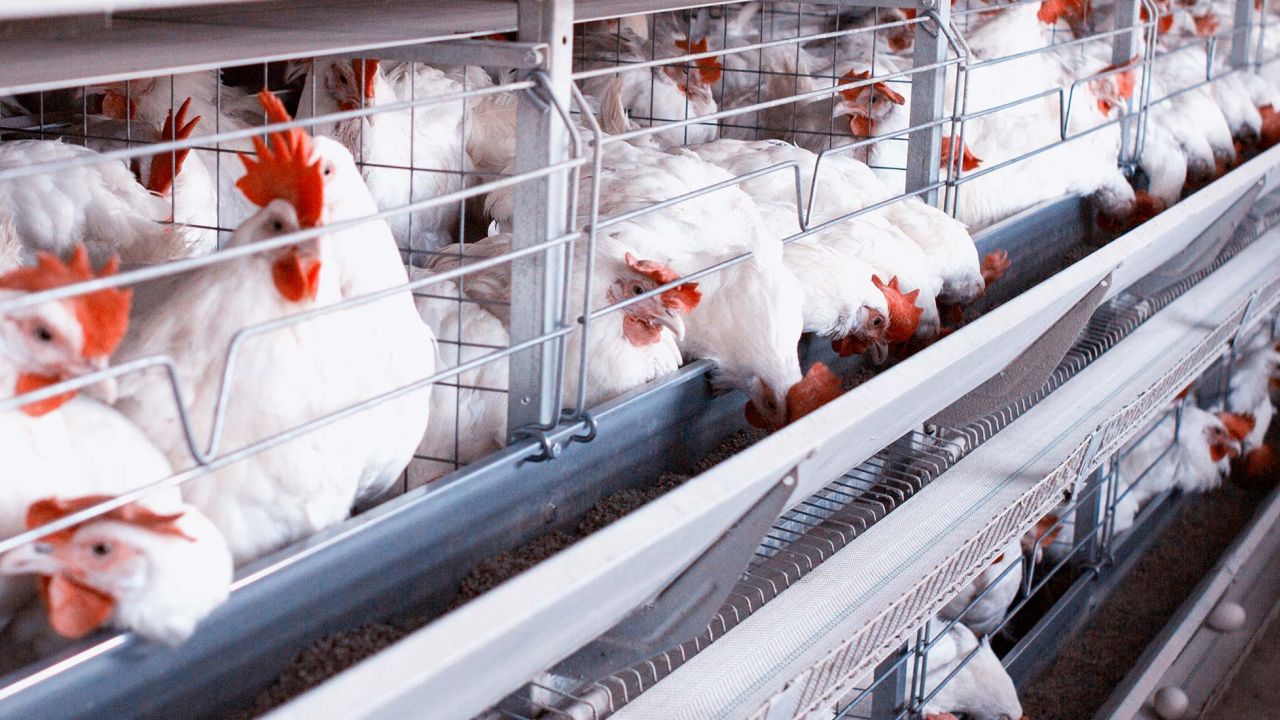
Only 4% of total medically important antibiotics were intended for use in chickens. Antibiotic sales for chicken fell in 2022 and 2023, but they soared in 2024. The FDA data show a 79% hike between 2023 and 2024, the largest percentage increase across all animal types.
Sales of medically important antibiotics approved for use in food-producing animals since 2015

Source: EWG, data from the Food and Drug Administration, “2024 Summary Report On Antimicrobials Sold or Distributed for Use in Food-Producing Animals”
The soaring antibiotic sales cannot be explained by an increase in meat production. Experts say total U.S. meat production rose less than 1% in 2024.
The increase is likely due at least in part to more animals being raised in crowded conditions on factory farms, which make a fertile breeding ground for bacteria. In the U.S., most medically important antibiotics sold – about 70% – are given to animals, not humans.
Since 2017, the FDA has banned the use of antibiotics solely to help promote animal growth. The agency requires farmers to get a prescription from veterinarians before adding antibiotics to animal feed.
Yet antibiotics remain widely used to prevent disease in perfectly healthy animals, not just to treat sick animals. And the FDA fails to collect data on how antibiotics are actually used on farms, so we don’t know how much is used in healthy rather than sick animals.
Lowering use of antibiotics in livestock
Evidence shows better farming practices can significantly reduce antibiotic use.
Denmark, Europe’s second-largest pork producer, slashed antibiotic use by increasing the amount of barn space allotted to individual hogs and improving ventilation in the facilities.
In much the same way, U.S. livestock farmers could also lower antibiotic use by raising fewer animals in better-ventilated barns or having animals spend more time on pasture instead of in confinements.
It can be difficult to figure out which meat products come from animals raised with antibiotics just by looking at the labels on the packaging. But EWG’s Meat and Dairy Label Decoder helps shoppers find meat and dairy products from animals that are not raised in factory farms.
The decoder also describes which labels and certifications to look for to ensure meat wasn’t treated with antibiotics.
Some of the best labels to look for to avoid eating meat from factory farms are: Animal Welfare Approved (by AGW), Certified Humane, if the package also includes “grass fed” or “pasture raised,” and Global Animal Partnership, if the label says the “steps” are 4, 5 or 5+.
Organic food items offer another option for concerned consumers, since antibiotic use is also prohibited in the production of Department of Agriculture–certified organic meat and dairy.