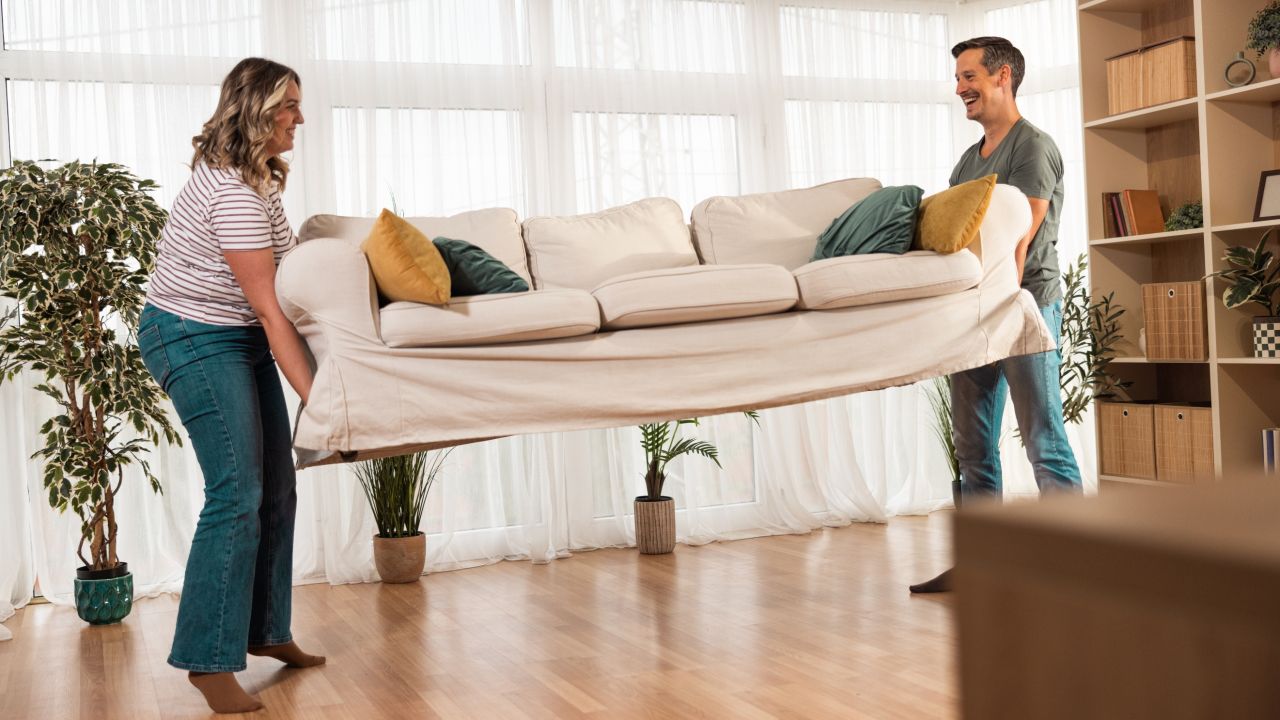
Foam-containing furniture sitting in your home for years can be a hidden source of harmful flame retardant exposure. Removing these old sofas and chairs can lower the amount of one type of flame retardant in your body, finds a newly published study by EWG and others.
Levels of the flame retardant class of chemicals known as polybrominated diphenyl ethers, or PBDEs, decreased two to four times faster in study participants who removed the furniture than in those who didn’t.
The study, led by the California Department of Public Health and partners, including EWG, supports the state’s decision more than a decade ago to revise its furniture flammability standards, reducing the reliance on toxic flame retardants.
In 2020, Congress adopted the updated state standard.
These victories help protect families from harmful chemicals in upholstered furniture.
They were possible only after years of work by advocates and researchers who exposed the health risks of flame retardants and challenged misleading industry claims justifying their use. EWG, through testing, research and advocacy, has for decades called for an end to the use of toxic flame retardants.
But even though the safer furniture standards apply to new sales, families may continue to be exposed to these toxic chemicals, since flame retardants remain widespread in furniture already in use, as well as car seats, electronics and more.
Health risks from flame retardants
The study examined two major classes of flame retardants – PBDEs and OPFRs, or organophosphate flame retardants – that have been widely used since the 1970s to meet flammability standards. These chemicals have been added to many everyday products, including upholstered furniture like chairs and couches.
These products can emit the chemicals in house dust, contaminating rooms nearby. Exposure to flame retardant chemicals has been linked to serious health harms, including cancer, neurotoxicity, thyroid disease, pre-term birth and decreased fertility, as well as deficits in motor skills, attention and IQ in children.
People can ingest flame retardants in dust, inhale them from the air and absorb them through skin. Infants and young children are especially at risk since they crawl and play on the floor, where contaminated dust settles, and then frequently put their hands in their mouths.
Benefits of removing older furniture
Could taking older furniture out of homes reduce the amount of PBDEs and OPFRs detected in people’s blood and urine? That’s what the study set out to find.
Researchers from EWG, among other groups, launched their collaboration in 2015. The California Department of Public Health, the California Environmental Protection Agency, Silent Spring, the Green Science Policy Institute, the Sequoia Foundation and the University of California, Davis, also participated in the project.
Focusing on a few dozen California households, the investigation tracked how removing furniture made before 2014 affected levels of flame retardants in study participants.
In 2013 the Golden State updated its furniture flammability standards, no longer requiring the use of chemical flame retardants.
Study participants collected household dust before and after removing a couch or couch foam. Results of the dust tests released in 2021 showed a drop in the amount of flame retardants in dust, both PBDE and OPFRs, found after the furniture was removed and replaced.
The study’s most recent published findings build on the 2021 results by showing that PBDE levels in participants’ blood also dropped much faster in those who had removed older foam-containing furniture made with these chemicals than in a control group who did not replace their furniture.
In the study, removing or replacing furniture did not significantly affect OPFR levels, since people are likely exposed to OPFRs from other sources, including electronics and vehicles, in addition to furniture.
Science backs safer policy
Ditching sources of flame retardant exposure may benefit health, according to the new findings, published in the peer-reviewed journal Environmental Pollution.
A different study found that during the approximately seven years after PBDEs were no longer used in furniture, levels of the chemicals detected in breast milk dropped by nearly 40%.
Furniture makers started using flame retardants following California’s decision, in 1975, to issue a flawed furniture flammability rule. Use of large amounts of flame retardants in polyurethane foam cushioning was one way to comply with the rule.
To avoid manufacturing products for California that were different from the rest of the U.S., national companies added flame retardants to items such as furniture and carpets.
Scientists warned about the health risks of flame retardant chemicals in furniture, urging a policy change to discourage the use of flame retardants because the chemicals didn’t lower fire risks or improve safety.
The state finally updated the rule in 2013 to end a requirement for using the chemicals in manufacturing furniture.
Furniture made today is less likely to contain harmful flame retardants. But older furniture continues to be a possible source of exposure, even years after it was manufactured.
Reducing exposure to flame retardants
If you’re concerned about flame retardants, here are some tips.
Buy products made without flame retardants, if possible. It’s easiest when shopping for couches, easy chairs and kids’ products, because flame retardants are no longer required in these types of furnishings.
It’s more difficult to avoid flame retardants in car seats and nearly impossible to avoid in cars and electronics. For car seats, look for flame-retardant-free products from Nuna, Clek (Mammoth or Railroad models) and Britax Grow, for example.
And take these simple precautions to minimize your exposure:
- Wash your hands. To reduce the amount of dust ingested, wash hands frequently, especially before eating or preparing food.
- Vacuum often with a cleaner fitted with a HEPA filter. Vacuums with a high efficiency particulate air, or HEPA, filter are more efficient at trapping small particles and will likely remove more contaminants and allergens from your home.
- Do your homework before buying baby products. Although many baby products are exempt from the fire safety regulations that prompted companies to add chemical retardants, manufacturers can still use them. Find out if flame retardants are in products before you buy.
- Reupholstering? Replace the foam, too. If you reupholster your sofa, consider replacing the old foam, since it likely contains flame retardants. Ask your upholstery shop for flame retardant-free foam.
- Inspect foam cushioning for damage. Make sure cushion covers are intact, since exposed foam helps flame retardant chemicals escape more quickly. Avoid torn or snagged car seats and nap pads.
- Be careful when removing old carpeting. The padding found in homes today likely contains flame retardants. Old carpet padding is often broken down and dusty and can expose you during removal. Whether it’s a DIY project or someone else is doing the work for you, make sure to isolate the area from the rest of your home with drop cloths and by closing doors or covering vents. And to further minimize exposure to contaminated dust, wear a mask and clean up with a HEPA vacuum.