SACRAMENTO – In a historic victory for children’s health, Gov. Gavin Newsom today signed a first-in-the-nation law to legally define ultra-processed food, or UPF and phase out the most harmful UPF from public school meals.
Assembly Bill 1264, introduced by Assemblymember Jesse Gabriel (D-Encino), received overwhelming bipartisan support from legislators in the Assembly and Senate.
“With Gov. Newsom’s signature, California has taken a historic step toward protecting our children from harmful ultra-processed foods and chemical additives,” said Gabriel.
“While Washington, D.C., is paralyzed by inaction, California is once again leading the nation with a bipartisan, commonsense, science-based approach. Here in the Golden State, Democrats and Republicans are joining forces to ensure that students are receiving healthy, nutritious meals that are made from real foods, not harmful chemical additives. I applaud Gov. Newsom for his continued leadership on food safety and I am grateful to the dedicated advocates from around the country who worked tirelessly to help us pass this important new law,” he added.
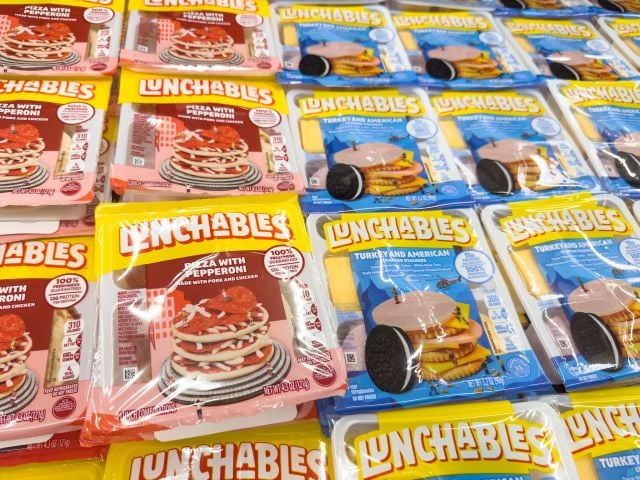
UPF are industrially manufactured and chemically modified products. They’re often made with potentially harmful additives to enhance taste, texture, and appearance.
The new law creates a first-ever legal definition of UPF in the U.S. Food will be considered UPF if it’s high in saturated fat, added sugar or sodium and contains a food additive such as flavor, artificial color, emulsifier or a thickening agent.
The law tasks the state’s Department of Public Health to work with University of California experts to research links between UPF and disease and health harms.
These experts must also identify UPF that are “of concern” and will be phased out of public school food. The food vendors that supply California’s K-12 schools must comply with the law by 2032.
The measure received bipartisan support in the Legislature, passing out of the Senate with a vote of 40-0 and out of the Assembly with a vote of 79-1.
UPF health threats
Ultra-processed food and drinks are designed to be hyper-palatable, engineered to be addictive and marketed to be profitable for their makers – all at the cost of nutritional value and health.
“Ultra-processed foods aren’t just unhealthy – they’re engineered for overconsumption. Like addictive substances, they hijack the brain’s reward system, making it difficult for people to cut back, even when facing serious health consequences,” said Ashley Gearhardt, Ph.D., and professor of psychology at the University of Michigan.
“America’s diet is now dominated by ultra-processed foods, many of which were shaped by the same corporate strategies that once hooked people on cigarettes. The result? Rising rates of obesity, diabetes and diet-related diseases, especially in children,” added Gearhardt.
Scientific research links UPF to cancer, cardiovascular disease, Type 2 diabetes, metabolic disorders such as Crohn’s disease and fatty liver disease, reproductive and neurobehavioral harms and mental health issues.
Obesity is chief among the health problems linked to UPF. Rates of obesity in the U.S. and globally have skyrocketed in tandem with rising UPF consumption.
Healthier school meals
“Processed foods can have a place in a healthy diet, but Americans – especially children – consume too many ultra-processed foods, which contributes to increased rates of cancer, heart disease and diabetes,” said Bernadette Del Chiaro, EWG’s senior vice president for California.
“We applaud Gov. Newsom for signing this bill into law, and we commend state lawmakers for acting decisively to get harmful UPF off school lunch trays,” added Del Chiaro
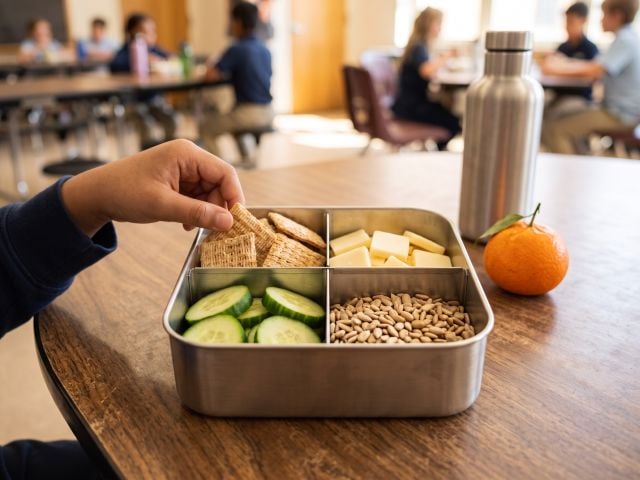
California schools are projected to provide over 1 billion meals this school year. The new law will help protect students from harmful, hyperpalatable foods and ensure that all children, from all economic backgrounds, have access to healthy and nutritious foods.
“Healthy school meals are the fastest, most powerful way to create a healthier future for our children and our nation,” said Nora LaTorre, CEO of Eat Real, an EWG coalition partner.
California leads the way
California is changing the national conversation about food safety and school nutrition. With strong bipartisan support, the state previously enacted two other Gabriel-authored landmark food laws.
The California School Food Safety Act, signed into law in 2024, bans six harmful food dyes from being served in public schools. It followed a 2023 law banning the manufacture, distribution or sale of food in the state containing the chemicals brominated vegetable oil, potassium bromate, propyl paraben and Red Dye No. 3.
California has long been a bellwether state for public health protections. Now similar food actions are sweeping the country, with food chemical bills introduced, debated and in some cases enacted in states from Arizona to Vermont, including Utah, Virginia and West Virginia.
“Poor nutrition in childhood, predominantly due to processed foods, which are high in added sugars and low in nutrient quality, is a major and modifiable factor contributing to life-long risk for chronic diseases, including obesity, Type 2 diabetes, fatty liver disease and heart disease and also affects learning and classroom performance,” said Michael Goran, Ph.D., and program director for nutrition and obesity at Children’s Hospital Los Angeles.
Goran is also professor and vice chair for research in the department of pediatrics at Keck School of Medicine of the University of Southern California.
Newsom issued an executive order in January directing California agencies to look for new ways to minimize the harms of UPF consumption and reduce the purchase of soda, candy and other types of UPF, including those that contain artificial dye. Newsom’s signing of the UPF law continues his long-standing leadership on this issue and legacy of prioritizing children’s health.
###
The Environmental Working Group (EWG) is a nonprofit, non-partisan organization that empowers people to live healthier lives in a healthier environment. Through research, advocacy and unique education tools, EWG drives consumer choice and civic action.