Displaying 1273 - 1296 of 8009
Join the Fight to Provide Healthy Food for Struggling Families

Fruit leather: A snack sometimes chock full of pesticides and sugar
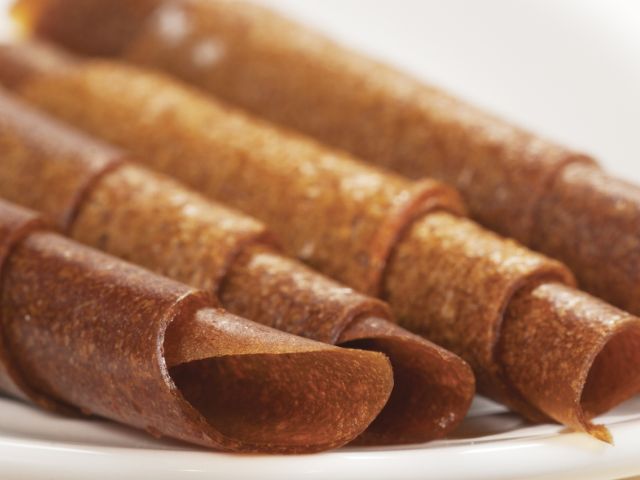
Beloved children’s fruit snacks test positive for pesticides
Survey: Safer baby diapers are more important than ever
To clean up the baby diapers available in the marketplace, EWG surveyed more than 1,800 parents and caregivers to better understand what they know about diapers and what they want from these products.

EWG VERIFIED® Baby Diapers: Filling the gap when regulators fail to protect our most vulnerable
European regulators have rejected a proposal to restrict a handful of harmful chemicals in baby diapers, yet again showing basic government failures abroad and in the U.S. to protect our most...

Chemicals in our food may be contributing to weight gain
It’s no secret rates of overweight, obesity and other metabolic diseases are skyrocketing. And food is a big part of the problem, though not in the way you might think. It isn’t just how many calories...
Arsenic levels at New York City housing complex add to fears of unsafe tap water

EWG news roundup (9/9): Golden State energy concerns exacerbated by record heat wave, breaking down obesogens and more
EWG news roundup (9/9): Here’s some news you can use going into the weekend.

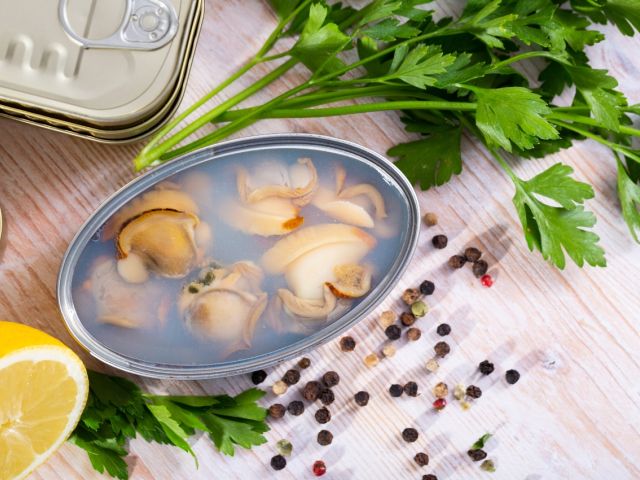
FDA: Canned clams contaminated with extremely high levels of common ‘forever chemical’
Getting started on your plant-powered kitchen

EWG news roundup (7/8): High levels of ‘forever chemical’ in canned clams, what you should know about toxic algae blooms and more
This week, Food and Drug Administration testing found extremely highly levels of a common type of “ forever chemical ” linked to cancer in canned clams. At least one company whose product was found to...
CDC finds toxic weedkiller in 87 percent of children tested
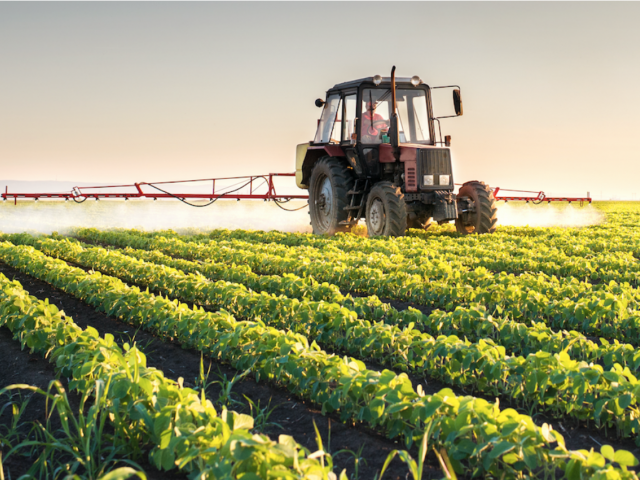
EWG applauds House passage of new ‘forever chemical’ actions and cleanup mandates

New EWG analysis: Of $7.4B spent on two of USDA’s biggest conservation programs in recent years, very little went to ‘climate-smart’ agriculture
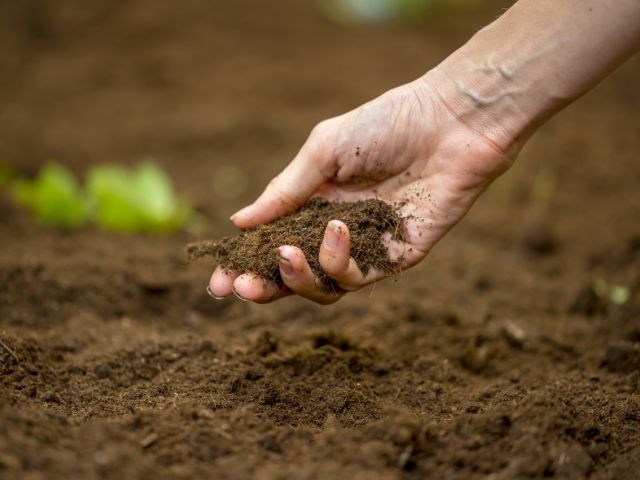
USDA Conservation Stewardship Program could do more to tackle climate emergency
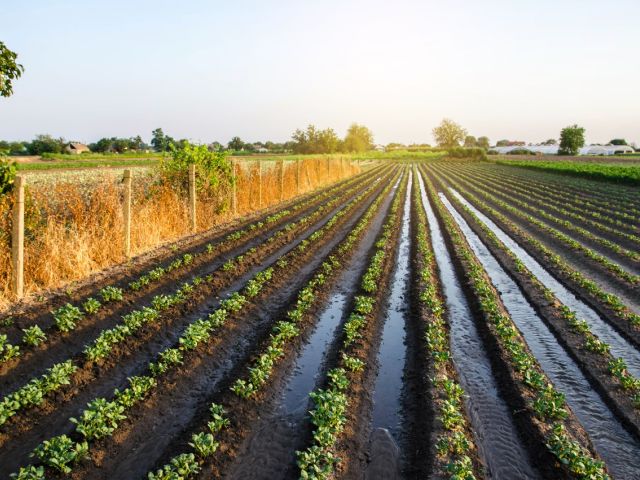
EWG applauds congressional letter urging EPA to designate PFAS hazardous substances
Plant-centered recipe resources for a healthy lifestyle

Fracking Leases May Lower Property Values, Default Mortgages
Hydraulic fracturing to extract oil and gas may enrich drillers - but at a prohibitive cost for some landowners near wells.

Biden administration must rein in electricity-intensive cryptocurrency mining to meet climate goals

Simple, nutritious and delicious meatless recipes
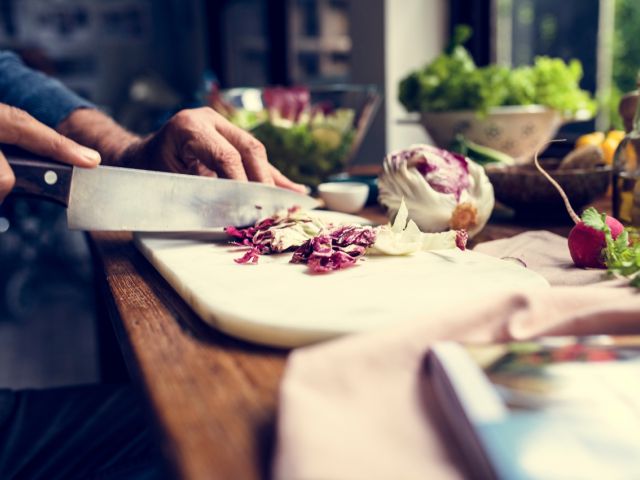
From my book “What The Fork Are You Eating?” © Stefanie Sacks, 2014
Black and pinto beans are from the same genus/species. Both are commonly grown not just in the U.S. but also around the globe. They are typically found dried in bags, and in most grocery stores’ bulk sections. You can also find them cooked, in jars, boxes or cans.
Cook: Like many other legumes, these can be purchased dry
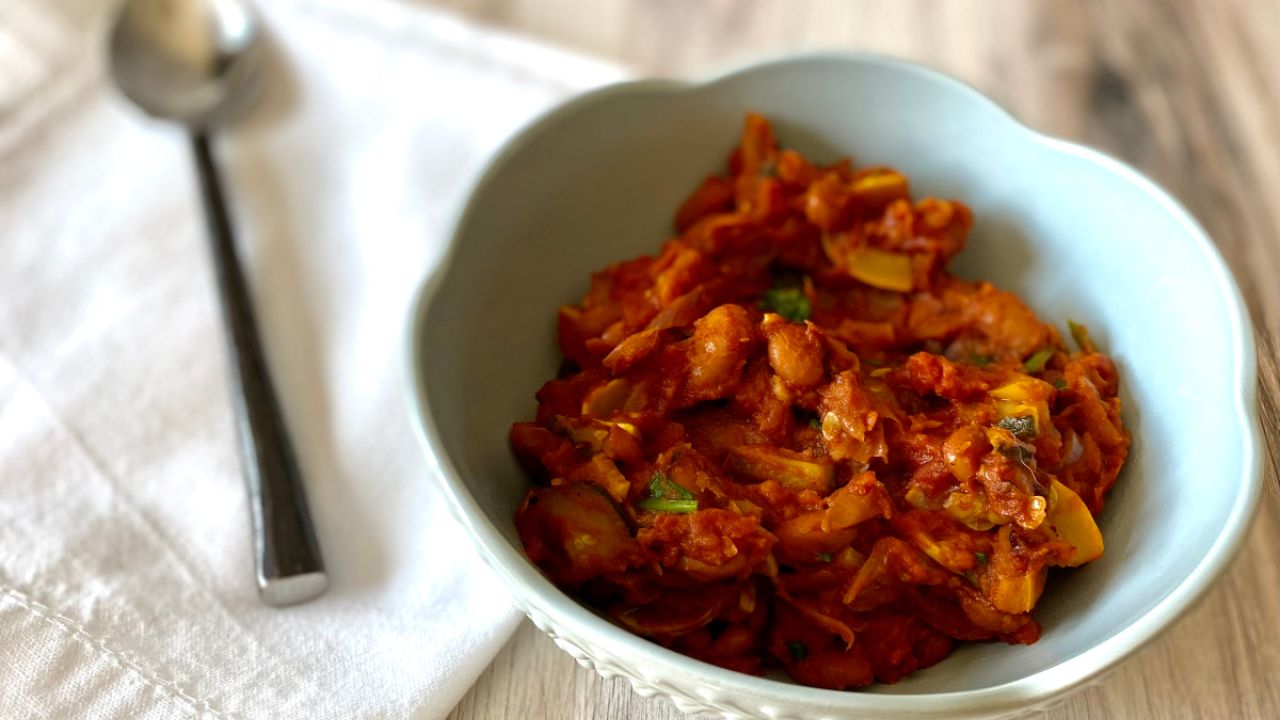
From my book “What the Fork Are You Eating” © Stefanie Sacks, 2014
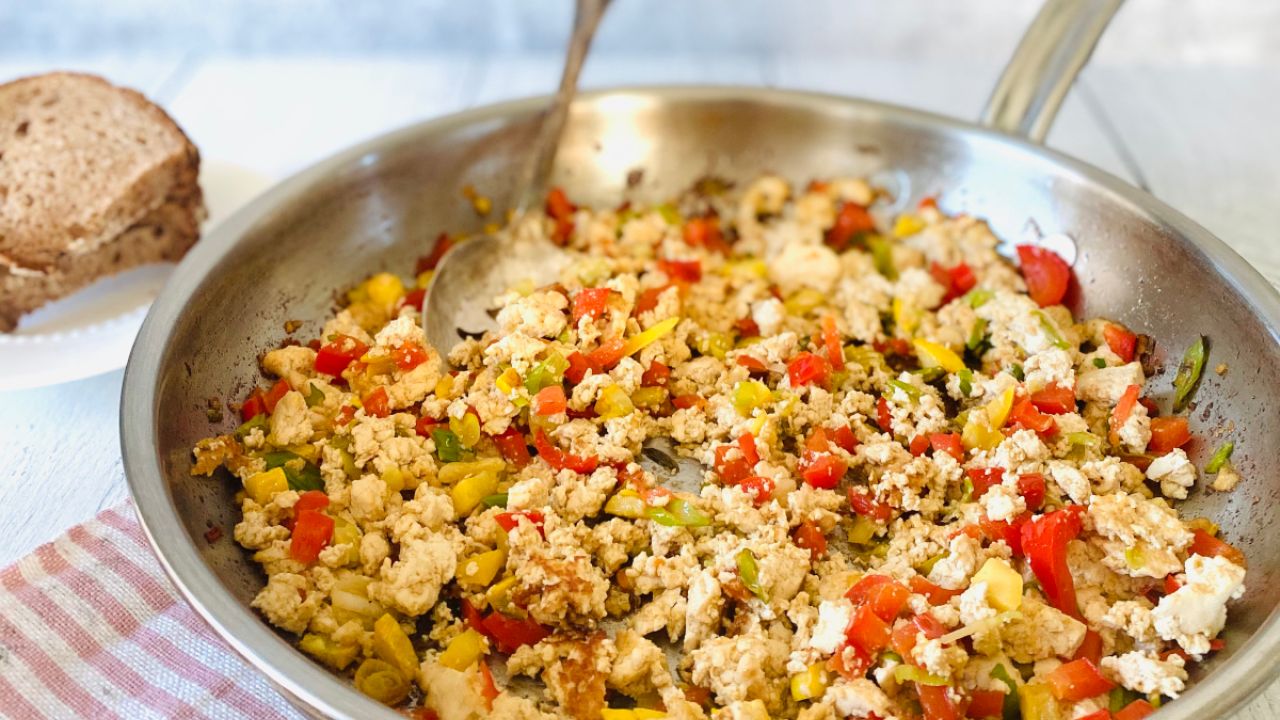
Tofu is made not from soybeans but from their milk. Although native to east Asia, soybeans also grow in the U.S. About 94 percent of the U.S. soy crop is genetically modified, so it’s best to choose organic soy, if possible. Tofu is made by curdling soy milk with heat and a coagulant like nigiri. The curds are then pressed into a
Nonprofit news outlet launches to spotlight underreported environmental and public health stories

Beware misleading ‘regenerative’ soil claims on non-organic foods