Search

Areas of Focus

Areas of Focus
 

Displaying 6361 - 6384 of 8009

Dirty Dozen™ food chemicals: BHA

EWG’s recommendation Avoid or limit foods containing BHA. BHA has been classified as a possible carcinogen , or cancer-causing chemical. Studies have shown BHA to produce oxidative stress, which...

Statement on FDA’s delay of GRAS amendment proposal

WASHINGTON – The Food and Drug Administration’s plan to amend the “generally recognized as safe,” or GRAS, regulatory loophole for food chemicals is slipping to December. The agency originally planned...

Dirty Dozen™ food chemicals: TBHQ

Avoid or limit foods containing the preservative TBHQ. Some animal studies have associated TBHQ with immune dysfunction, including potentially impairing the body’s ability to regulate inflammation and...

EWG statement on California Supreme Court declining to hear rooftop solar case

SACRAMENTO – California’s Supreme Court in a brief order today declined to hear an appeal by the Environmental Working Group and allies of an appeals court decision that threatens the future of...

PFAS may be in your kid’s favorite plush animal – what parents need to know

Give a beloved teddy bear or other stuffed creature to a baby or toddler and they might try to put it in their mouth. A new study suggests that this typical behavior could expose them to the “ forever...

EWG: Iowa’s 15,000+ factory farms produce over 107M tons of manure, risking public health
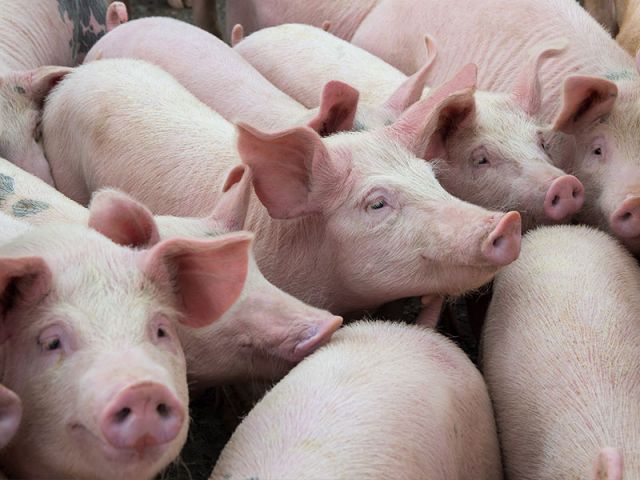
MINNEAPOLIS – Iowa has 15,309 livestock farms that generated 107.6 million tons of manure in 2025, polluting the state’s water and putting Iowans’ health at risk, a landmark Environmental Working...

Making meals without microplastics: Tips for safer cutting boards
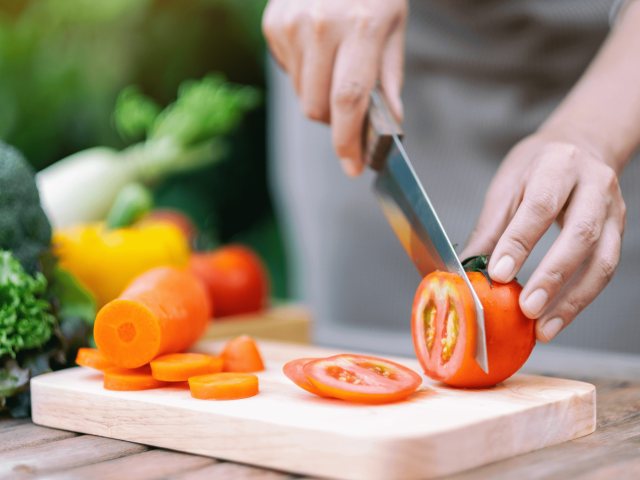
Depending on the type of cutting board you use, your home-cooked meals could be contaminated with an unlikely ingredient – microplastics – according to a recent study.

Tiny tick bites can cause big health problems – these tips can help

Tick bites are on the rise, and so are the health issues they can cause. In April all but one region in the U.S. saw the highest level of tick-related emergency room visits since 2017, according to...

Peer-reviewed EWG study finds produce washing options can reduce pesticide residue

WASHINGTON – Affordable, simple household practices can reduce pesticide levels on fruits and vegetables and help consumers lower their daily dietary exposure to potentially harmful farm chemicals, a...
Research

EWG evaluation of food chemicals: ADA
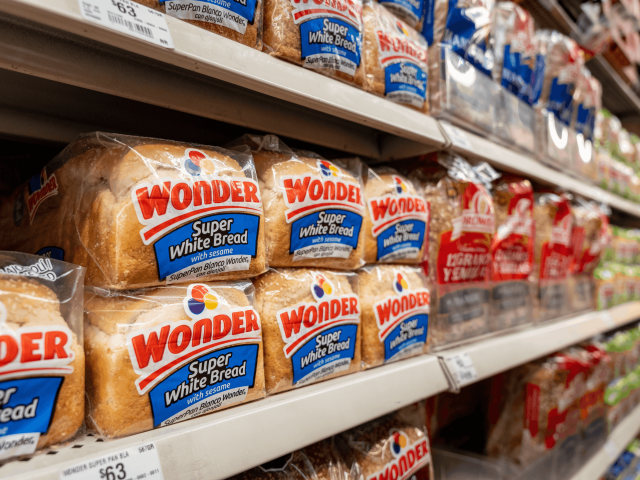
Azodicarbonamide, also known as ADA, is an ingredient of concern. EWG suggests limiting consumption of foods containing this ingredient.

California could soon force diaper makers to reveal what’s in their products

Lawmakers in California are on the verge of forcing diaper manufacturers to strip away the secrecy over what goes into one of the products babies use most. Assembly Bill 1901 , by Assemblymember Marc...

EWG statement on FDA’s new GRAS proposal

WASHINGTON – Today the Food and Drug Administration proposed a new rule to amend the “generally recognized as safe,” or GRAS, food chemicals loophole. The GRAS regulatory loophole has, for years...
Research

421M birds, 3.6M tons of manure: North Carolina poultry boom fuels growing water pollution crisis
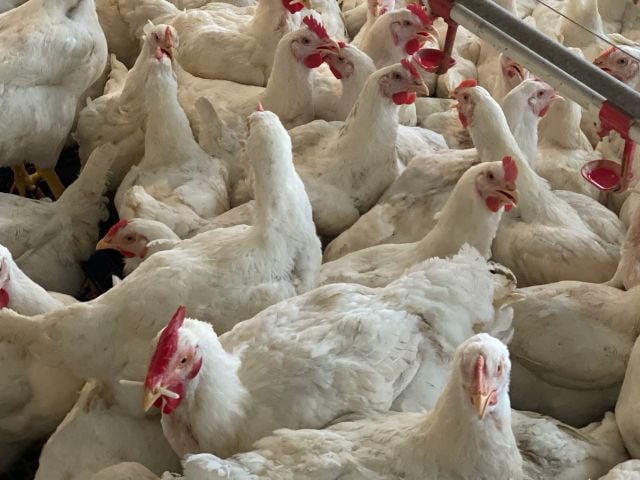
North Carolina’s poultry industry – and the pollution and health problems tied to it – reached a staggering scale in 2024: almost 422 million chicken and turkeys, equivalent to more than 37 birds for every person living in the state, a new Environmental Working Group analysis finds. Many of these birds are housed in large factory farms, and the industry overall produced roughly 3.6 millions tons

EWG: North Carolina’s 421M poultry birds now generate 3.6M tons of manure every year

WASHINGTON – Rapidly growing poultry factory farms in North Carolina house over 421 million birds – equivalent to 37 birds for every person living in the state – and generate 3.6 million tons of...

Four EWG-sponsored California consumer choice, safety bills clear key spending committees

SACRAMENTO – Four bills sponsored by the Environmental Working Group this week cleared appropriations committees in the California Legislature, sending the legislation for full floor votes as state...

EWG: California’s extreme heat, soaring utility bills make cooling unaffordable for millions

SACRAMENTO – California is experiencing more frequent and dangerous heat days, but sky-high utility bills mean millions of people can’t afford to run air conditioning that could keep them safe, a new...

Plant-centered food lifestyle 101 and how your choices at home can help
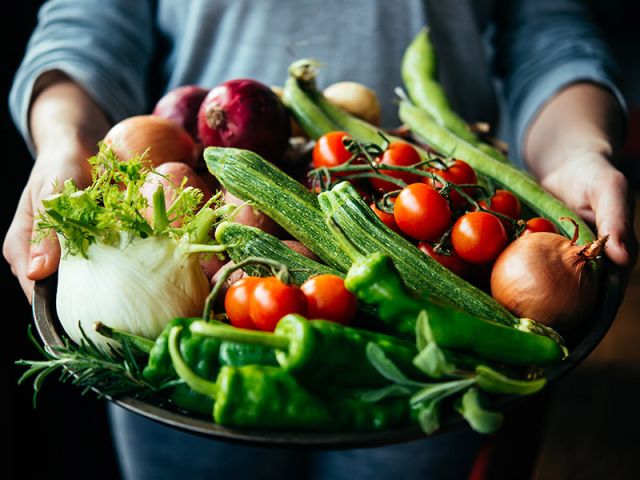
Find out where you fall on the plant-centered food lifestyle continuum. Do you eat only plants? Or perhaps you mostly consume meat and dairy and only occasionally plant-based food.

Thanks to state laws, Dollar Tree is pledging to remove ‘forever chemicals’ from its shelves

If you’ve ever wondered whether state chemical safety laws actually change what ends up on store shelves, Dollar Tree just answered: yes – and faster than consumers might think. For years, the toxic “...

FDA food safety inspections plummet, despite congressional mandate
The number of U.S. food manufacturing facilities inspected each year by the Food and Drug Administration has fallen by thousands over the last decade, despite Congress creating a mandate to increase...

Considering renourishment: An important dialogue about human and environmental health

EWG is eager to foster a dialogue about the climate impact of animal versus plant proteins. But food behavior is highly emotional, and having a conversation about nourishment – particularly during a...
Research

Agriculture’s climate emissions are rising but fully funding conservation can slow them
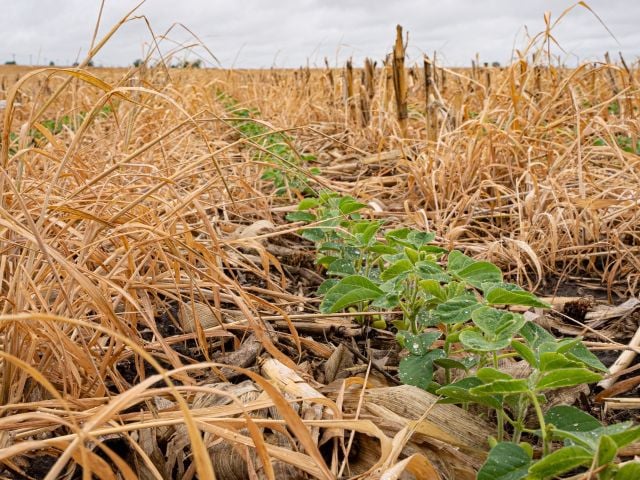
Agriculture could become the nation’s leading producer of greenhouse gases by 2050. Most other sectors of the economy, especially transportation and electricity, are expected to reduce their greenhouse gas emissions dramatically in the coming decades. That decline is mostly due to voluntary industry efforts and changing technology. Agriculture’s climate pollution is driven overwhelmingly by

Food chemical bans still languish at FDA

The food we eat should be nourishing and safe. But thousands of chemicals, some of which may be toxic, are allowed in a wide range of products, like snacks, bread and more.

California Assembly ESTM panel advances bill to protect schoolchildren from harmful UPF

On April 29 the California Assembly Committee on Environmental Safety and Toxic Materials voted to advance a bipartisan bill phasing certain ultra-processed food, or UPF, out of meals served in public...

California bill to require full disclosure of diaper chemicals heads to Gov. Newsom for signature

SACRAMENTO – California’s Legislature today passed a bill that would, if enacted, require manufacturers of children’s diapers sold, distributed or manufactured in the state to fully disclose their...