Displaying 3049 - 3072 of 8009
Cancer-causing chemicals in drinking water put 122M Americans at risk
A new report from the Environmental Working Group shows the shocking extent of a widespread public health crisis: Over 122 million Americans drink water with high levels of cancer-causing disinfection...

EWG testimony to the Health Subcommittee of the House Committee on Energy and Commerce on sunscreen safety
Attached is testimony of EWG’s Senior Vice President for Government Affairs Scott Faber to the Health Subcommittee of the House Committee on Energy and Commerce on sunscreen safety.
More than 1.3M New Yorkers at risk if EPA weakens PFAS standards
More than 1.3 million New Yorkers could lose critical protections from the toxic “forever chemicals” known as PFAS in their tap water if the Environmental Protection Agency rolls back its historic...
Hilary Swank backs California bill advocating prenatal vitamin heavy metals testing, disclosure
Activist and social entrepreneur Hilary Swank is urging California lawmakers to pass Senate Bill 646, which would require prenatal vitamin manufacturers to test for and disclose levels of potentially...
Transcript of EWG podcast ‘Ken Cook Is Having Another Episode' – Episode 30
In this podcast episode, EWG President and co-Founder Ken Cook’s guest is DJ Gerken, president and executive director of the Southern Environmental Law Center, or SELC.
EWG's Sunscreen Quick Tips
Some sunscreens prevent sunburn but not other types of skin damage. Make sure yours provides broad-spectrum protection and follow these other tips for better protection.
1 Step Forward: EPA expands Envirofacts database
Last month the US Environmental Protection Agency (EPA) announced that they have added more than 6,300 chemicals and 3,800 chemical facilities to their searchable database Envirofacts.
On Pesticides: Canadian Bylaws and American Lawn Flags
The smell of lawn chemicals is as dependable a harbinger of spring as robins and lilacs. Not in big parts of Canada, where many municipalities and provinces have opted to abolish the cosmetic use of...

More organophosphates please, Mom!
People may know that organic produce is a better bet - for our heath and the environment, yet only about 2% of U.S. food sales are organic. Yes, a paltry 2 percent.
Should state employees be drinking bottled water? On your dime?
You may have kicked the bottled water habit, but has your state government?
Awakening to Cancer's Environmental Roots
When I was diagnosed with bladder cancer in 1979, at the age 20, I drafted a list of goals. The first thing I would do, once I was sprung from the hospital, would be to pay a visit to Claire's...

It's time to look upstream
Chanda Chevannes has made an important documentary film about Sandra Steingraber's work, based largely on her first book, Living Downstream. The trailer below will give you a sense of Steingraber's...
PBS's NOW on toxic natural gas extraction
Josh Fox, director and star of the award-winning new documentary film Gasland, goes on PBS's Now to highlight the threat that natural gas extraction brings to human health and the environment. Fox was...
How to get more fruits and veggies into school cafeterias
First Lady Michelle Obama's noble fight against childhood obesity cannot be won unless members of Congress act boldly this spring and vote to give school lunches the healthy makeover that our kids...
The 8-minute Story of Bottled Water: Watch it, then stop drinking it
You've seen The Story of Stuff, right? That short and sweet video explanation of our "consumption problem" and what we can do about it? Well Annie Leonard and the gang at Free Range Studios (plus a...
An App for everything, except radiation levels
Curious about how much radiation is coming from your iPhone? Sorry, there's no app for that.

Help EWG do bottled water research - and win a prize!
Last year we took a close look at 100s of bottled water labels to see how good (or bad) manufacturers are at sharing important information with consumers - like my mother, who buys it by the box (me =...
Revenge of the toxic dust bunnies
Dust bunnies aren't just the visible reminder than we've (once again) waited far too long to clean house. They can also be allergenic and they contain toxic chemicals. Now that's a more compelling...

Maryland bans BPA - unanimously
Last week the Maryland Senate unanimously voted to ban the toxic plastics chemical bisphenol A (BPA) in baby bottles and sippy cups. The Senate's action, by a vote of 45 to 0, marks the last major...
4 steps to drinking safer water
Here at EWG we talk a lot about water, because we think it should be safe to drink.
Cell Phone Radiation Blog Series - All In One Place
Last September, EWG released a Cell Phone Radiation Science Review and a first-of-its-kind database showing the radiation levels of thousands of cell phones. The response was huge - not surprising...

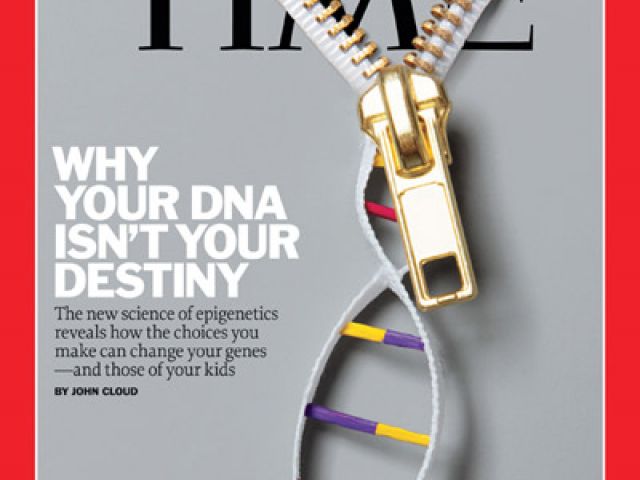
Epigenetics hits the mainstream
"Prenatal exposures to environmental pollutants may lead to chronic diseases later in life."
Cell Phone Radiation Series - Part 5: Buy smart
"More public information can only be positive." So says Renee Sharp, director of EWG's California office, in response to news that San Francisco might become the first U.S. city to require retailers...
Non-toxic holiday gift bag from EWG: Going, Going, Going...
It's never easy or fun to ask people for money. But. At least in our case we know how well we use it and how important our work is in the fight to protect environmental health. And we're not the only...