Displaying 1897 - 1920 of 8009
Public Energy Enemy No. 1
It’s Only Fair: Protecting the Land in Return for Subsidies
The pending Senate version of the farm bill includes a provision to relink conservation compliance with crop insurance subsidies. Chairman Lucas's competing House version does not.

California Drinking Water
Guest Blog: Toxic chemical reform must help, not hinder states and victims’ rights
In the United States, the framework for safeguarding people and the environment against the dangers of toxic chemicals comprises three mutually reinforcing legal systems: federal regulation, state and...
Chemical Agriculture on the Attack, Again
Keeping politicians on message can sometimes be difficult. That also holds true of corporate chiefs and movie stars. Even the most seasoned, media-savvy folks veer off their talking points on occasion...

Iowa’s Private Wells Contaminated by Nitrate and Bacteria
Des Moines Water Works has struggled for years to provide safe drinking water to its customers, battling nitrate contamination from upstream farms. But contamination from agricultural practices may be even worse for the estimated 230,000 to 290,000 Iowans whose drinking water comes from private wells, an investigation by Environmental Working Group and Iowa Environmental Council finds.
It’s Time for a Mandatory National Registry of Fracking Chemicals
If oil and gas companies were injecting potentially toxic fluids into the ground near your home or your children's schoolyard, wouldn't you want to know about it?
Is Organic Really Better?
A new study published in the British Journal of Nutrition found that organic crops have higher concentrations of antioxidants, lower levels of cadmium and nitrates and fewer pesticide residues than...

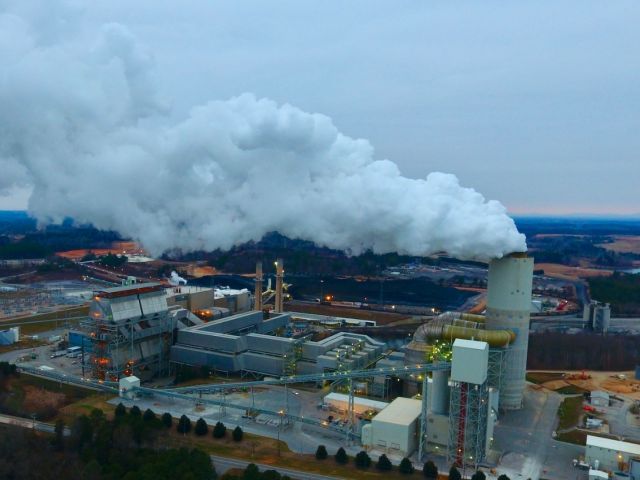
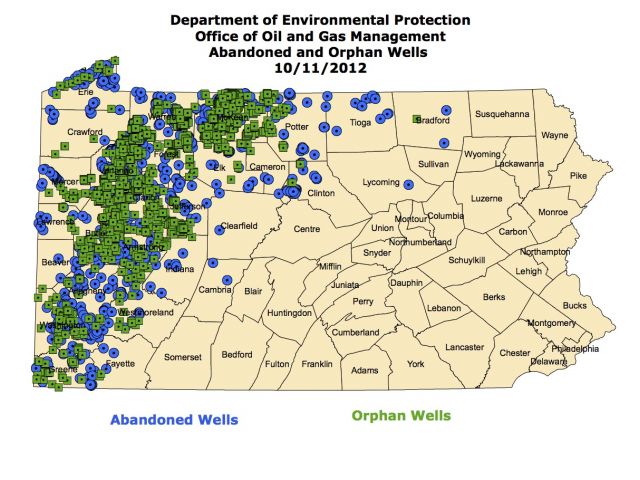
Abandoned Oil and Gas Wells Spew Methane, Study Finds
If you think the risks associated with fracking for oil and gas disappear once a well stops producing and goes out of commission, think again. And that goes for conventional drilling technologies, too...
Obama and Vilsack Push For Conservation Compliance
Crop Insurance: A never-ending disaster
As the cost of crop insurance has ballooned – from less than $500 million a year in the 1990s to more than $14 billion in 2012[1] – the program's most ardent defenders keep repeating the same mantra...
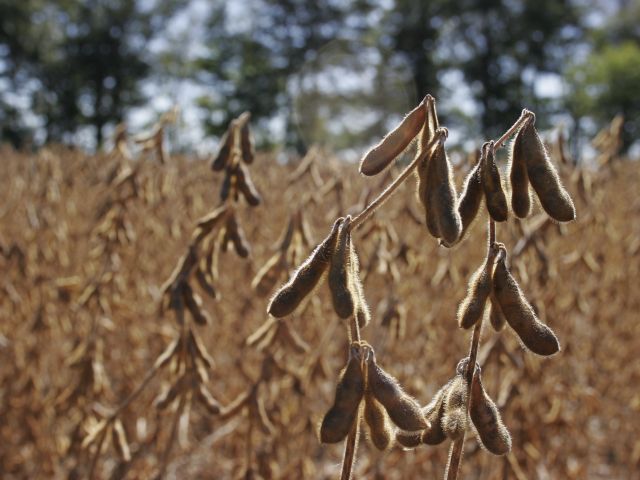
Bipartisan Coalition Would Link Land Conservation to Farm Subsidies

Stop Unrestrained Antibiotic Use Before It’s Too Late
It's just common sense: If you're not sick, your doctor doesn't prescribe you medicine. Why should the animals we eat be treated any differently?

Programs to Reduce Ag’s Water Use Must Be Strengthened, Not Cut
Since it was first authorized in the 1996 farm bill, USDA's Environmental Quality Incentives Program has grown into the single most important federal program that helps farmers and ranchers protect...
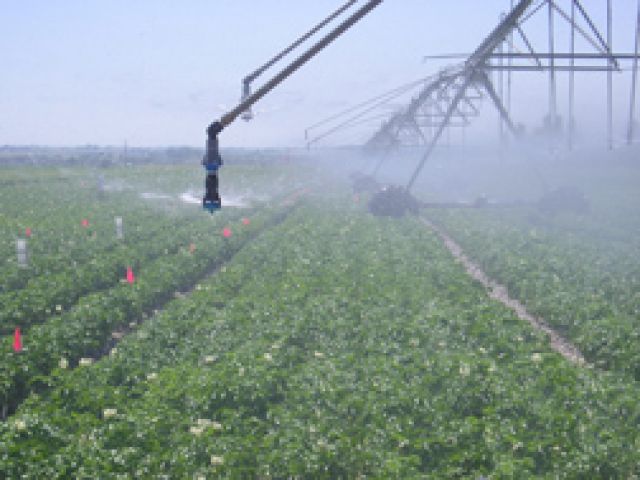
Unlimited Subsidies, High Prices Threaten “Prairie Potholes”

The PFAS and the Furious
Expert Panel Confirms that Fragrance Ingredient Can Cause Cancer
Last month (July 28) a committee convened by the National Academy of Sciences confirmed a federal interagency group's conclusion that styrene, a chemical building block used to produce a wide variety...
We Called It: Low Prices will lead to Big Payouts
Big agriculture payouts could be coming, courtesy of American taxpayers, who are forking over money through lavish new subsidy programs established in the recently passed farm bill.
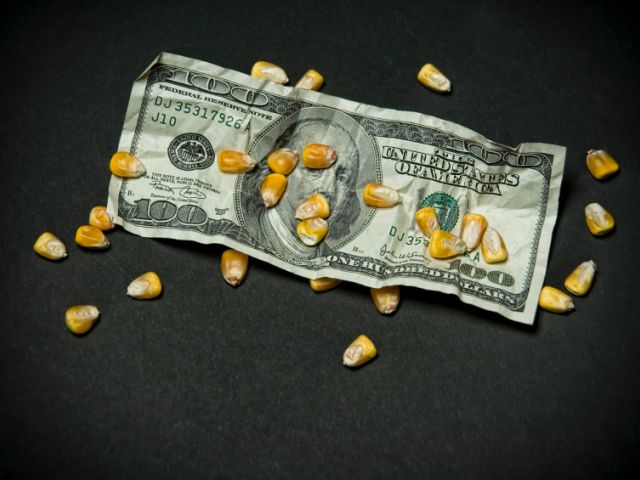
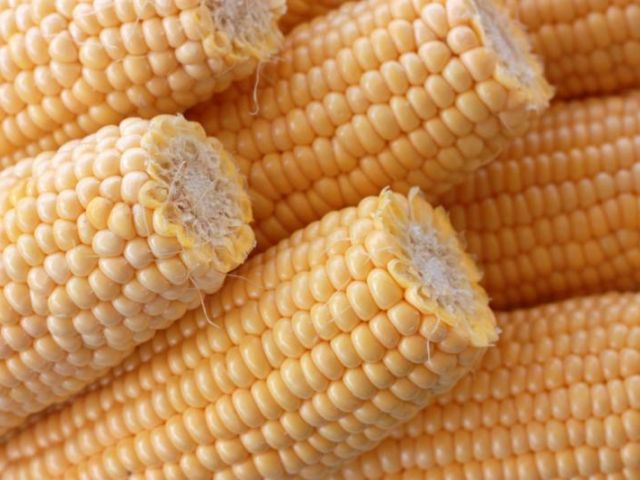
Report Highlights Corn Ethanol’s Devastating Toll
Corn-based ethanol is a major cause of the water pollution that is ravaging the Mississippi River basin and the Gulf of Mexico, a report by the Environmental Protection Agency's (EPA) inspector...
EWG’s Healthy Living: Quick Tips to Safer Diapers
In their first year alone, a baby will wear an estimated 2,500 disposable diapers. When buying diapers, parents are likely to consider absorbency, fit and comfort as the most important features. But recent scientific research highlights the fact that the ingredients and materials used to make the diapers may be just as important, if not more so: The diaper itself could potentially harm a child's

Ethanol’s Broken Promise

Senator Pushes to Ban 10 Toxic Flame Retardants From Children’s Products
Sen. Chuck Schumer (D-N.Y.) announced Sunday (Sept. 14) that he was introducing legislation that would ban 10 toxic flame retardant chemicals from being used in children's products and upholstered...

EWG’s Women of Courage: Ayana Elizabeth Johnson
What does it take for a small Caribbean nation to implement strong, sustainable and popular ocean conservation practices? A team of experts, an island community dedicated to preserving its way of life...

Corn Ethanol: A Bad Idea Looks Even Worse
Growing corn to make fuel for your car just doesn't work. And reversing government policies that require it would ease a world of problems.