Displaying 5905 - 5928 of 8009
How California's Major Air Polluters Get Away With It
Two years after an EPA investigation blasted California's air pollution enforcement as inadequate to stop big polluters, East Bay oil refineries continue to commit hundreds of violations of state and...
California First State To Ban 24 Toxic Chemicals in Personal Care Products and Cosmetics
In a major victory for the movement for safer cosmetics, California Gov. Gavin Newsom has signed the Toxic-Free Cosmetics Act, Assembly Bill 2762, into law. This is the nation's first state-level ban...

Construction Industry Lobby Blocks Bill To Ban Asbestos
Legislation to ban the future use and importation of the notorious and deadly carcinogen asbestos was blocked from passing the House Thursday night after lobbyists representing a powerful sector of...

As You Sow
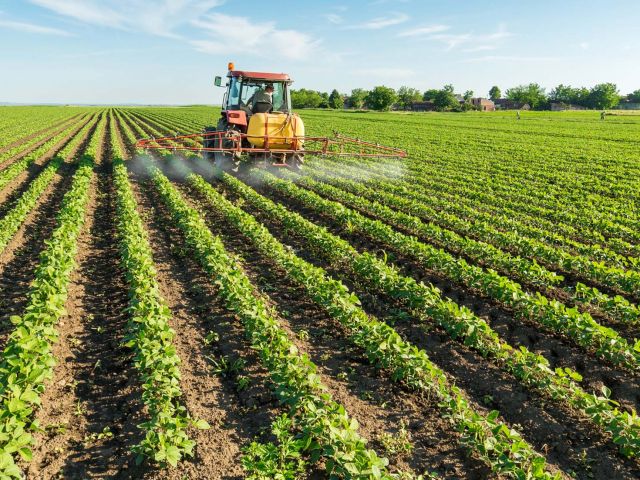
Study: More Than 200 Million Americans Could Have Toxic PFAS in Their Drinking Water
A peer-reviewed study by scientists at the Environmental Working Group estimates that more than 200 million Americans could have the toxic fluorinated chemicals known as PFAS in their drinking water...

Alert: Tests Find High Levels of Asbestos in Children’s Makeup Kit
The notorious carcinogen asbestos has been found in a talc-containing eye shadow in a children's toy makeup kit, according to laboratory tests commissioned by the Environmental Working Group.

Trump EPA Fails To Take Tough Action on Industrial Discharges of ‘Forever Chemicals’
The Environmental Protection Agency today released an "interim strategy" for addressing industrial discharges of the toxic fluorinated “forever chemicals” called PFAS. The strategy document encourages...

Power Plants Caught Cheating
EWG VERIFIED® Diapers Launches Nationwide With New Healthynest Diapers
Today the Environmental Working Group published a new comprehensive Guide to Safer Diapers, an analysis of the chemicals and materials used in baby diapers, to help parents and caregivers sort through...

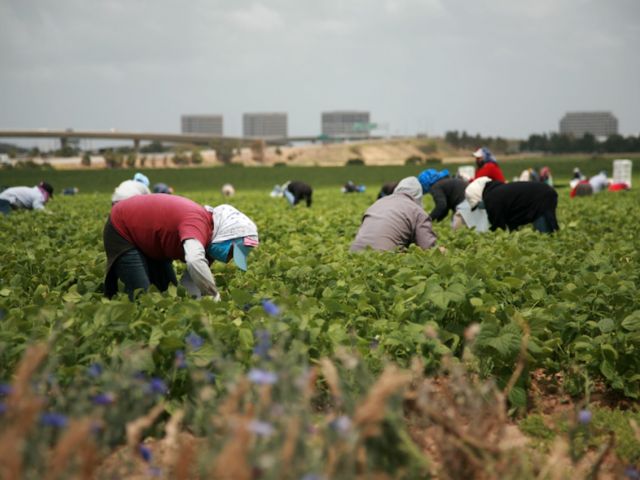
EWG Applauds Farm and Food Worker Protection Funds in Covid-19 Relief Package
EWG applauds the inclusion of funds for Covid-19 protections for farm and food workers in the pandemic relief package congressional leaders agreed to on Sunday. The package, which awaits a final vote...
Information Quality Appeal
Statement on Human Testing Before NAS Committee
EWG joins allies in promoting smart transportation planning for the 21st century
Update to EWG petition to EPA concerning DuPont's response to EPA's inquiry of possible TSCA Section 8(e) substantial risk reporting violations
Water Utilities Urge Caution on Grand Canyon Uranium Mining
Major water utilities in Nevada, Arizona and California have urged the federal Bureau of Land Management (BLM) to weigh carefully the potential risks of contamination of the Colorado River from...
Science Review Reveals West Va. Agency Policy Contradicted by Fed, Industry Research
Modernizing BPA Standards in Food to Protect Public Health
Protecting Public Health from Phthalates Will Require Consideration of Cumulative Risks
EWG supports California proposal to get toxics out of children's products
Letter to JOEM: Retract fraudulent chromium-6 paper
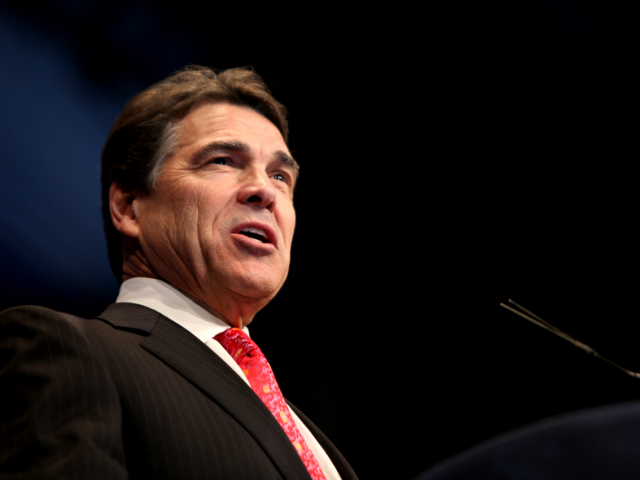
Exposed: Rick Perry's Coal Bailout Scheme Was Murray Energy's Idea
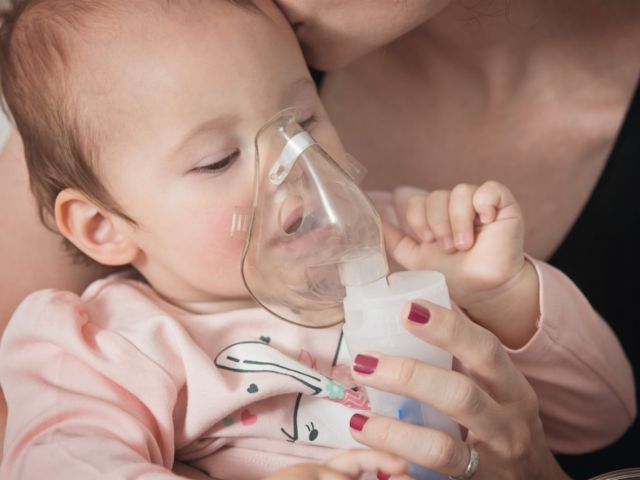
EWG: Pruitt’s War on Kids’ Health Continues With Repeal of Clean Power Plan
Environmental Protection Agency chief Scott Pruitt's decision to scrap the Clean Power Plan is not only a complete collapse of U.S. leadership on climate change, but a direct attack on public health...
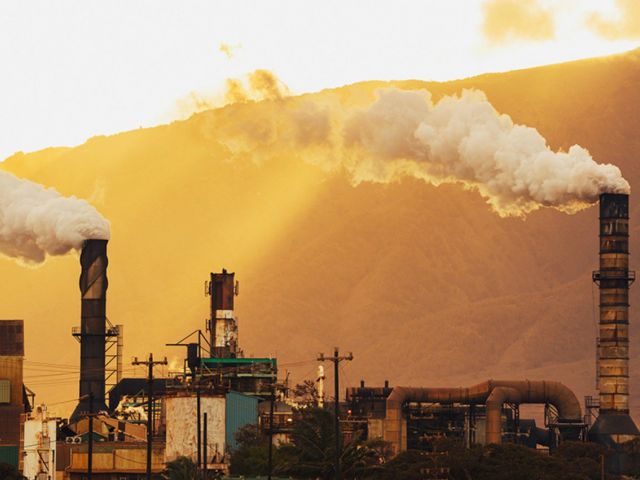
Top Coal Lobbyist, Climate Skeptic Poised to Become No. 2 at EPA
A leading lobbyist for the coal and oil industries, who is a staunch climate change skeptic, is a step away from being second in command at the Environmental Protection Agency.
Actor and Advocate Mark Ruffalo Applauds $75 Billion Water Cleanup Proposal in COVID-19 Stimulus Bill
Actor and environmental advocate Mark Ruffalo applauded House leaders for proposing to spend $75 billion in the next COVID-19 stimulus bill to upgrade our drinking water infrastructure.