All Research

Areas of Focus

Areas of Focus

Displaying 73 - 96 of 197

Mercury in Seafood

In 2014, federal agencies issued draft recommendations that women who are pregnant, breastfeeding or might become pregnant and young children eat more fish that is lower in mercury. Their advice is...

Nailed

It's not surprising that many nail polishes contain potentially toxic chemicals. Now a study conducted by researchers at Duke University and EWG finds that at least one of those chemicals could be...

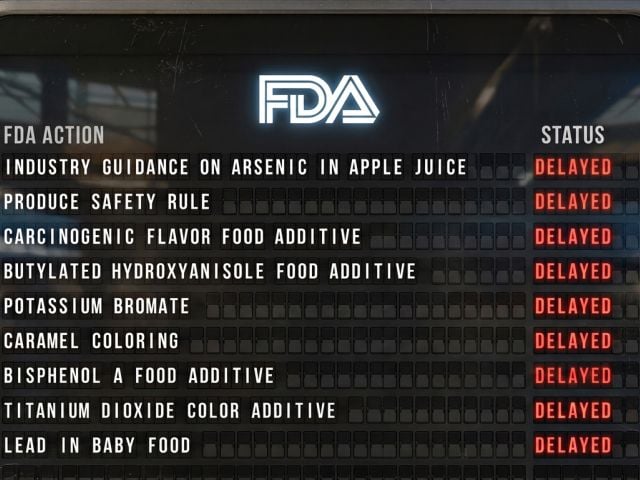
Potassium Bromate

Few foods evoke an image of wholesomeness like fresh-baked bread. But the flour used in many commercial baked goods may include an additive that's been linked to cancer.

Teflon Chemical Harmful at Smallest Doses

Every time they drink a glass of tap water, people in the mid-Ohio River Valley of West Virginia and Ohio may be consuming unsafe amounts of an industrial chemical linked to cancer, birth defects...

Rethinking Carcinogens

An ounce of prevention is worth a pound of cure. That old adage is certainly true for cancer. Despite great advances in treatments and therapies, preventing the disease from ever occurring will always...

States Lead the Way

States are leading the way when it comes to protecting people from dangerous chemicals. And it's a good thing, because the federal Toxic Substances Control Act, on the books since President Ford...

NO ESCAPE:

Ten years ago, the Environmental Protection Agency and health advocates forced flame retardant chemicals called polybrominated diphenyl ethers, or PBDEs, from the market. These chemicals were showing...

Men's Health

Most men know by now that good lifestyle choices – such as exercising regularly, eating a healthy diet, not smoking and drinking in moderation – make a big difference in staying healthy. Men may too...

US Seafood Advice Flawed on Mercury, Omega-3s

People who follow the federal government's guidelines on seafood consumption are likely to consume too much mercury, a dangerous neurotoxin, or too few beneficial omega-3 fatty acids, according to a...

Washout

Media attention has understandably focused on flooding, especially given the devastating floods that have repeatedly struck the region in recent years.This year, it looks as if the Midwest will dodge...

Poisons in the Pipeline

On March 29, 2013, a pipeline carrying tar sands oil ruptured in Arkansas, sending an inky river through a residential neighborhood in the town of Mayflower. A concerned neighbor scooped up a sample...

Chromium-6 in U.S. Tap Water

Laboratory tests commissioned by EWG have detected hexavalent chromium, the carcinogenic “Erin Brockovich chemical,” in tap water from 31 of 35 American cities. The highest levels were in Norman, Okla...

BPA Coats Cash Register Receipts

EWG found BPA on two-fifths of the 36 thermal paper receipts tested. Samples were gathered from major retail outlets including McDonald's, CVS, KFC, Whole Foods, Walmart, Safeway and the U.S. Postal...

Dioxin

After nearly 30 years of delays caused by pressure from chemicals and defense industries, the US Environmental Protection Agency (EPA) is moving forward on setting a safety limit for exposure to...

Not So Sexy

Laboratory tests commissioned by the Campaign for Safe Cosmetics and analyzed by EWG revealed 38 secret chemicals in 17 name brand fragrance products, topped by American Eagle Seventy Seven with 24...

Off the Books

The 33-year old law that was supposed to ensure that Americans know what chemicals are in use around them, and what health and safety hazards they might pose, has produced a regulatory black hole, a...
Expert Spotlight

Chemical companies provide quarterly reports on production and sales figures to shareholders. Why shouldn’t the public and EPA receive similar reports every year about commonly used chemicals, some of which could pose a serious health risk?”

News & Insights