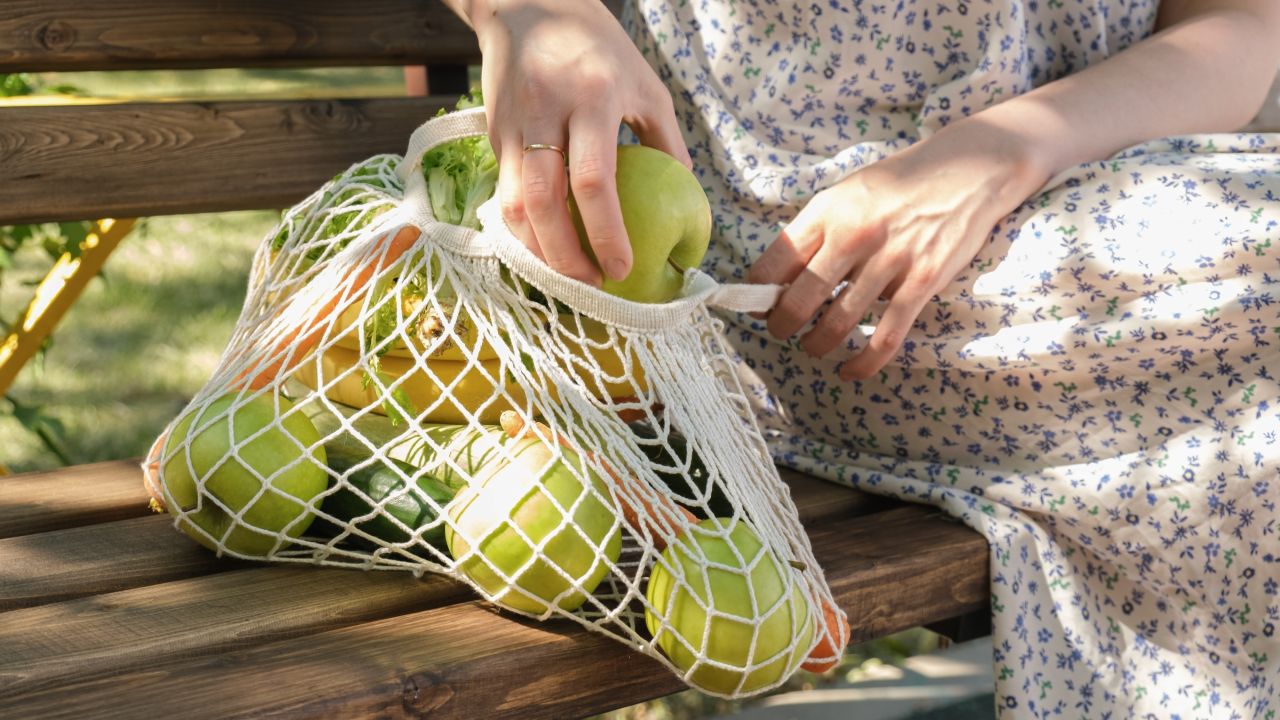
With colder weather and Thanksgiving looming, this is a great time to make delicious warm apple pie, crisp and more.
The only question is what kind of apples to use. New EWG research may provide answers – it shows that organic apples, long seen as a splurge, can sometimes cost about the same as non-organic varieties that may have pesticide residue.
As food prices soar and families look to protect their pocketbooks, that’s welcome news.
It’s also good news for your health. Peer-reviewed science shows some pesticides are harmful to health, including being linked to disruption of the hormone system and developmental harms. But most pesticides aren’t allowed for use on organic apples.
With prices for organics in some cases hovering close to or at the cost of non-organics, organics may offer an accessible way to reduce your exposure to agricultural chemicals.
To help consumers find affordable ways to cut their pesticide exposure, EWG looked at the Agriculture Department’s national data on retail prices of apples. The aim was to understand cost differences among apple varieties and between those grown organically and conventionally.
Purchases of organic apples in bulk, instead of buying an individual apple, may reduce the gap in prices, according to EWG’s analysis. For example, the difference in price between organic and conventional Gala apples narrows substantially when they are sold by the bag. A three pound bag can contain six to eight apples.
For example, median prices reported across the U.S. for a year show organic Gala apples cost $2.09 by the pound, or $4.46 for a three pound bag. Conventionally grown Gala apples cost $1.52 by the pound, or $3.66 for a three pound bag. This represents a 20% reduction in price for conventional and 29% reduction for organic when buying three pounds of apples in bulk bags rather than loose apples.
In addition to the consideration of organic as opposed to conventional, some apple varieties cost less than others.
Pink Lady apples in particular were not only cheaper per pound in bulk than other varieties but prices of three-pound organic and conventional apples differed very little.
Organic apple varieties that often cost the same or less by the pound than conventional Honeycrisp apples include Gala, Granny Smith, Pink Lady and Fuji. Honeycrisp apples are consistently the most expensive variety.
For more details about how EWG conducted this research, check out the methodology below.
Pesticide exposure from produce
Pesticides on conventionally grown fruits and vegetables pose a health concern.
Three of five conventional apples contained residues of a toxic chemical sprayed after harvest, EWG’s 2025 Shopper’s Guide to Pesticides in Produce™ found in our analysis of USDA data. The Shopper’s Guide includes the Dirty Dozen™ list of produce with the most pesticide residue. Apples ranked ninth, with spinach taking the top slot.
The agricultural chemical diphenylamine was found on 60% of 334 raw non-organic apple samples taken in 2023, the most recent year for available data. Most of the samples came from apples grown in the U.S.
Diphenylamine prevents the skin of apples in cold storage from developing brown or black patches. Although it does not kill insects, weeds or fungal growth, it is regulated as a pesticide. But the Environmental Protection Agency contends it does not pose a risk to human health.
The EPA issued a decision in 2019 allowing the chemical’s use on apples.
European Union regulators, by contrast, have not approved use of the chemical, concluding its manufacturers have not adequately tested it for safety. They also raised concerns about cancer-causing nitrosamine chemicals that form on apples when treatment with diphenylamine is combined with compounds that contain nitrogen.
Other agricultural chemicals detected on apples include the fungicides fludioxonil and pyrimethanil, which has been linked to thyroid disruption during pregnancy. Both pesticides may block androgen receptors in the body, possibly harming the male reproductive system.
Acetamiprid, a neonicotinoid insecticide, was found on 36% of apples. The European Food Safety Authority recently advocated for a lower safe level of exposure for this chemical, because of concern about the harm it could cause to the developing nervous system.
EWG’s review of costs shows that for anyone on a budget, consumption of organic apples can be a way to limit your exposure.