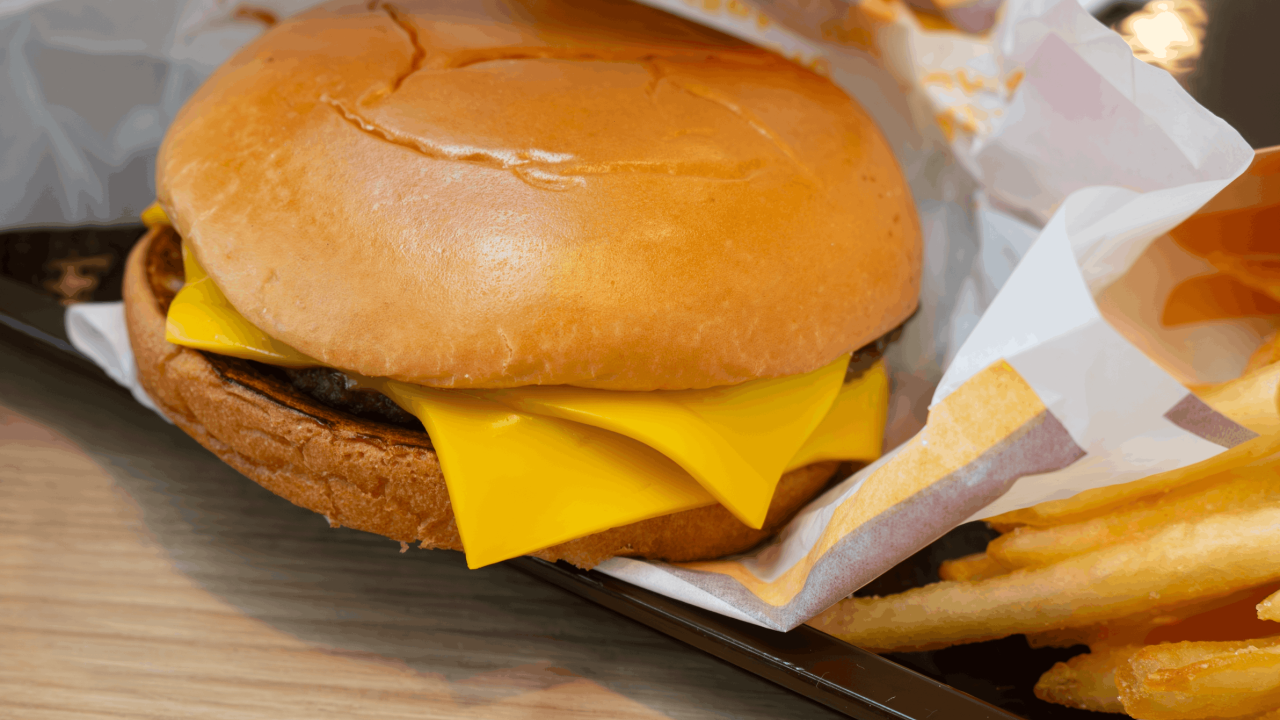
Fast food chains – think popular places like KFC, McDonald’s and Pizza Hut – can be quick and easy places to grab a meal. And many of us do.
U.S. families get almost a third of their calories from somewhere other than home.
But if you’re looking to eat less ultra-processed food, or UPF, eating out can be a challenge.
Diets high in UPF have been linked to many poor health outcomes, including Type 2 diabetes, depression, heart disease and even early death.
Unlike companies that sell packaged food, restaurants aren't required to post ingredient lists. And the food industry has pressured the government to delay a much-needed definition of UPF, which could support policies that help people make healthier choices.
EWG took a closer look at the menus from 12 of the top fast food spots in the U.S. to help families on the go find less-processed options:
- Arby’s
- Burger King
- Chick-fil-A
- Chipotle
- Dominos
- KFC
- McDonald’s
- Panera
- Pizza Hut
- Subway
- Taco Bell
- Wendy’s
There was one surprising standout: Chipotle’s food menu contains no ultra-processed ingredients.
Some of the other places offer a few non-UPF options, if you know how to look for them.
53 ingredients, none ultra-processed
Because fast food chains aren’t required to make ingredient lists public, our review was limited to the most recent information available online. It isn’t a comprehensive look at all fast food – but it does suggest that some chains, like Chipotle, are better than others when it comes to ultra-processed food.
Every menu item at Chipotle is made from some combination of 53 total ingredients. That includes the flour used to make tortillas, vegetables for guacamole and salsa, and seasonings to prepare beans, rice, meat and poultry. It also includes the rennet and cultures used to make cheese.
That doesn’t mean you should make every meal a burrito bowl. Depending on which ingredients you choose, nutrients like sodium and saturated fat can quickly climb above the average adult’s recommended daily limit.
But if you keep those caveats in mind, you can get a good amount of nutrients, vitamins and minerals from whole food sources.
Other less-processed options
At most other fast food restaurants, it’s harder to find a meal that isn’t ultra-processed.
That’s because industrial ingredients are a cheap way to mass produce flavorful foods with long shelf lives. They also help create consistency – the reason a Big Mac in Los Angeles tastes the same as a Big Mac in Kansas City.
But some options are better than others:
Soups, salads and grain bowls that aren’t built on highly processed breads
Most burger buns, pizza crusts and sandwich breads at fast food chains are made with highly processed, enriched flour with low nutritional value. They may also contain potentially harmful chemicals like azodicarbonamide, or ADA, potassium bromate and TBHQ.
Chicken, fish and tofu that hasn’t been breaded – or beans
Sandwich meat and pizza toppings like pepperoni or sausage are ultra-processed and have been strongly linked to higher cancer risk. Most breaded or fried chicken and fish fillets at fast food restaurants are ultra-processed because of the way they’re prepared.
Basic dressings and seasonings like olive oil, vinegar, salt and pepper
Dressings, dips and sauces are common sources of artificial colors, flavors, emulsifiers, stabilizers, thickeners and other additives. Chick-fil-A’s fat-free honey mustard dressing alone has more than 20 different ingredients. You can also try just using less.
Some sides and breakfast items
Many restaurants also offer minimally processed sides like applesauce, fruit, corn on the cob and house or side salads (not including dressing).
Panera’s breakfast menu offers Greek yogurt with berries and steel-cut oats with strawberries and pecans, made mostly of minimally processed foods, though each has added sugar.
Drinks like water, black coffee, and unsweetened iced teas
Most sodas and other sweet drinks – including specialty coffee drinks – are either high in added sugar or contain artificial sweeteners like aspartame or sucralose. Taco Bell’s dirty sodas can have more than 100 grams of added sugar, which is double the recommended daily limit.
When it comes to food, being basic is a good thing. When in doubt, look for foods you recognize and flavors you could probably create in your own kitchen.
For some help eating healthier
It’s not practical for people to avoid every ultra-processed food. There’s a reason our food supply is full of them: They’re widely available, affordable, appealing for consumers and extremely profitable for companies.
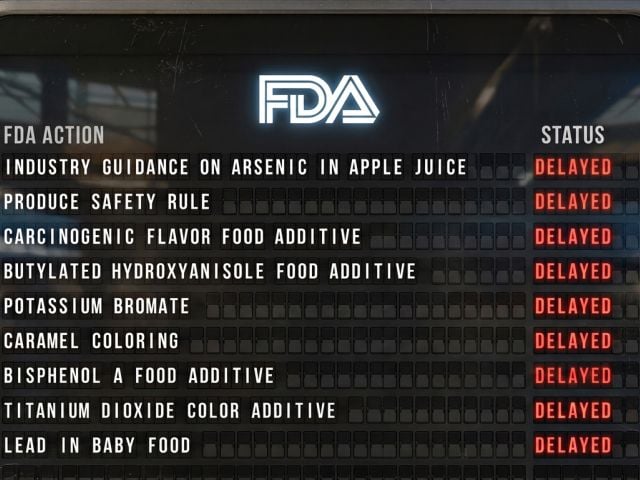
The Food and Drug Administration isn’t helping – at least not yet. It has repeatedly failed to regulate ultra-processed foods and has delayed an official definition of UPF. Instead, in August it sent a white paper on defining UPF for White House pre-publication review, several steps removed from a formal definition that could support policies like front-of-package labeling and school nutrition standards.
But you can start simple by making a few healthier swaps. Check if your favorite restaurants post ingredient lists and nutrition facts. Look for more whole foods and avoid longer lists of ingredients you wouldn’t find in a home kitchen.
When it comes to grocery shopping, you can check EWG's Food Scores, which rates more than 150,000 products on nutrition, ingredients and processing, and flags UPF for you. Shoppers on the go can also use EWG’s Healthy Living app.
Finally, follow Fed UP! – a new coalition of scientists, researchers and public health advocates dedicated to exposing the harms of UPF.