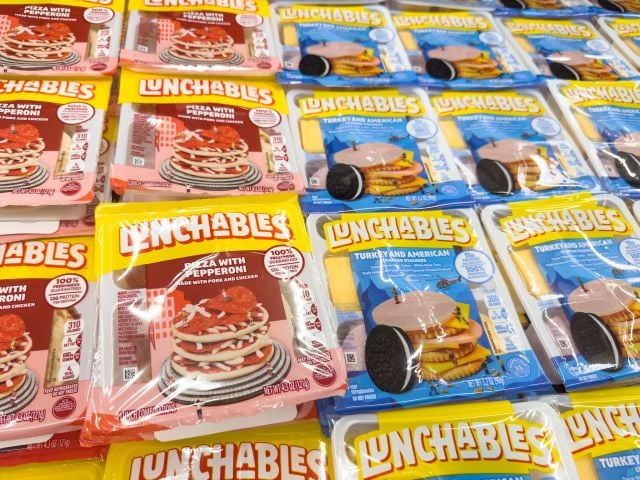
Many grocery stores are meeting consumer demand by taking food chemicals off their shelves.
More than 70% of U.S. adults are concerned about chemicals in their food and water – and they deserve better consumer protections than the federal government has given them.
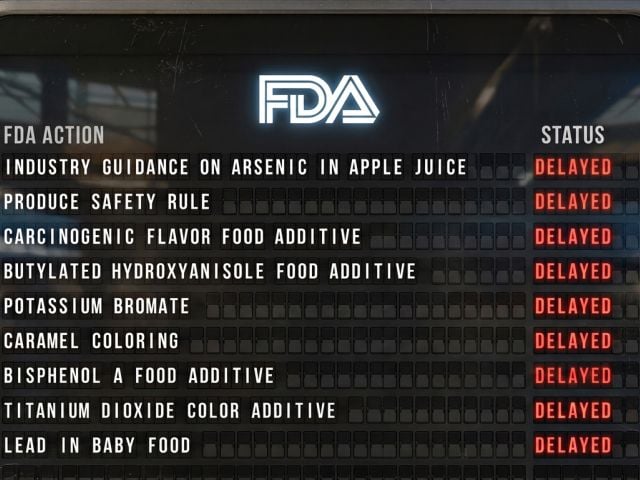
Due to a legal loophole, almost 99% of all new food chemicals introduced in the past 20 years have been approved by companies themselves, rather than the Food and Drug Administration. The Trump administration recently took a step toward amending that loophole – but it may be years before people see changes in their shopping carts as a result.
Some grocery giants aren’t waiting to act on potentially harmful food chemicals.
Whole Foods is a leader, with a longstanding commitment to ban a lengthy list of ingredients throughout its store. H-E-B, the largest chain in Texas, has banned more than 200 ingredients of concern from its store brand products. Albertons, Kroger, Target and Wegmans have each removed around 100 food chemicals from their store brand items.
Food chemicals are just one feature of a food system that favors industry and leaves the public with too few options for eating well. But understanding how retailers are responding shows how the food landscape is shifting and can help point shoppers in the right direction.
Grocery stores have more control over store-brand products
The products at most grocery retailers fall into one of two categories: name brand goods like Cheerios, and store brand or “private label” goods like Kroger Toasted O’s.
Private label brands make up close to 25% of most retail sales. Shoppers used to associate more affordable private label brands with lower quality. But that’s changing. More than half of consumers now say they can’t justify spending more on name brands when private label products meet their needs.
But retailer pledges usually focus on these in-house brands because they own the product lines and have control over the supply chains, so they have more sway here than over manufacturers of brand name products.
‘The Great Reformulation’
Many major grocers are now capitalizing on consumer demand by removing ingredients or reformulating products – a trend one publication calls the Great Reformulation. Many stores’ restrictions and bans focus on ingredients like artificial colors, flavors, preservatives and sweeteners, and some include a much wider range of additives.
Here’s where some of the other top grocery retailers stand.
Retailers with clear commitments and results
Albertsons. The company has removed 110 ingredients from its private label brand, Open Nature. The brand is available in the company’s 20 grocery subsidiaries, including Jewel-Osco and Safeway.
H-E-B. The Texas staple’s store brands feature their Select Ingredients seal, indicating products are free from more than 203 ingredients.
Kroger. Kroger’s Simple Truth and Simple Truth Organic store brands date back more than a decade. As of 2021, its product lines were free of more than 101 ingredients.
Target. Target’s private label brand, Good & Gather, is free of more than 100 ingredients of concern. In 2026, Target announced it would remove synthetic dyes from all cereal sold in its stores.
Wegmans. Wegmans launched its Food You Feel Good About line in 1991, with restrictions on artificial colors, flavors, preservatives and sweeteners. Its website currently lists close to 100 ingredients of concern that are not used in its private label products.
Whole Foods. Whole Foods has had storewide standards for colors, flavors and preservatives since it opened its doors in 1980. Today a list of 300 banned or restricted chemicals is easy to find on the Whole Foods website.
Retailers with commitments and some signs of success
Aldi. Aldi removed 13 ingredients, including artificial colors, from its store brand line more than a decade ago. This year, Aldi announced it would ban 44 more chemical ingredients from all of its private label foods, vitamins and supplements by December 2027.
Trader Joe’s. Trader Joe’s inventory is dominated by its private label products. The store generally commits to no artificial colors, flavors or preservatives in their product – with some exceptions – but doesn’t offer a full list of banned ingredients.
Walmart. Last year, Walmart pledged to eliminate synthetic dyes and 30 other ingredients from its Great Value brand. Sam’s Club, which is owned by Walmart, has already removed more than 40 ingredients of concern from its Member’s Mark products.
Retailers with pledges but few signs of progress
Ahold Delhaize USA. In 2018, Ahold Delhaize USA – owner of Giant, Hannaford’s, Food Lion and Stop and Shop – pledged to remove all synthetic colors, artificial flavors, artificial preservatives, sweeteners, MSG and high fructose corn syrup from private label products by 2025. But their 2025 annual report made no mention of the initiative, and no updates have been issued since.
Retailers without public pledges
Costco. The company has yet to announce any commitment to remove ingredients of concern from its product line, Kirkland Signature. A proposed class-action lawsuit earlier this year accused Costco of falsely advertising “no preservatives” in its rotisserie chicken.
States are stepping in to regulate chemicals of concern
States are also leading efforts to fill gaps in federal regulation.
A 2023 California law banned four toxic chemicals from food products manufactured, distributed or sold in the state, and a 2024 law banned six food chemicals from food served in public schools.
Other states have since launched efforts to restrict ingredients in food sold in their stores. As of August, more than 150 bills had been introduced and 20 signed into law. Take a look at EWG’s interactive food legislation map to find out more.
When it comes to harmful chemicals in food and packaging, states are often better – and faster – at providing consumer protections than the federal government. State laws have been so effective that they’re now being targeted by the food and beverage industry, which is backing legislation that would erase many state consumer protections.
What to look for when you shop
For many families, it can be hard to eat healthy. Avoiding food chemicals of concern is one challenge among many others, including affordability, access and the addictive nature of many highly processed foods.
That’s why EWG pushes for policies that can make healthy eating easier for everyone. In the meantime, there are a few tools that can help you navigate the grocery store:
- Take a look at EWG’s Dirty Dozen Guide to Food Chemicals™, which highlights some of the most concerning chemicals still allowed in the U.S. food supply.
- Consult EWG’s Food Scores to find out what’s in your food. Food Scores also flags unhealthy ultra-processed foods and can help you identify less-processed alternatives.
- Use our label reading guide. It helps you scan ingredient lists for items you wouldn’t have in your home kitchen, and make sure to check how much added sugar, salt and saturated fat is in your food.
- And when you’re on the go, check our Healthy Living app to find products.