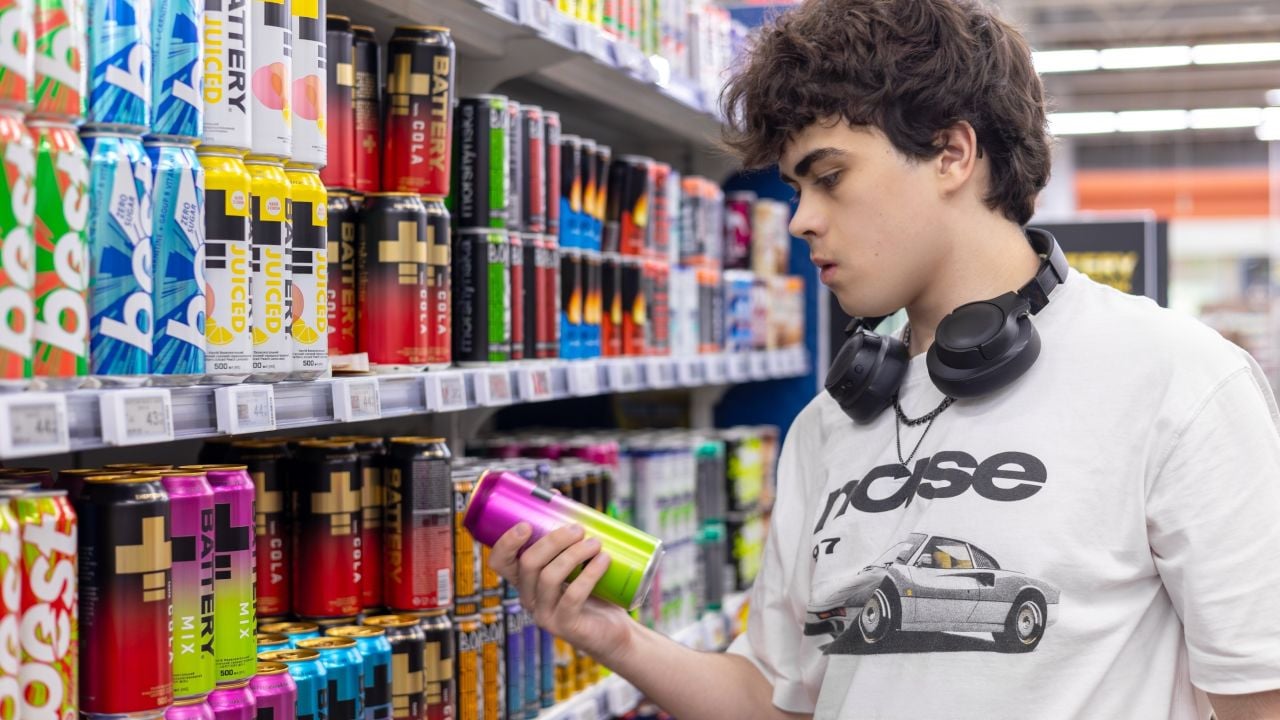
Energy drink brands like Monster and Red Bull have dominated the market for years with gritty marketing. Now, wellness-focused brands like Celsius are promoting energy drinks they claim will boost metabolism and support an active lifestyle – but are they actually healthy?
These newer brands swap the sugar and high calories for wellness-inspired branding; think bright colors and fruit-forward imagery. Alani-Nu, owned by Celsius, says its products break away from “dark cans, extreme sports” energy drinks. Instead, the company says its drinks provide “ingredients you can feel good about” and a “high energy” boost.
But efforts to create a healthier image don’t necessarily lead to a healthier product. Many of these drinks contain high levels of caffeine and ultra-processed ingredients, including artificial chemicals used to enhance flavor, color and shelf stability rather than nutrition.
Food chemicals and energy drinks
An increasingly common ingredient in these newer energy drinks is green tea extract. While green tea is often associated with health benefits, the highly concentrated extracts used in some beverages are a different story.
One of green tea’s primary compounds, epigallocatechin gallate, or EGCG, can be present in concentrated forms at levels far higher than those found in a typical cup of tea, raising safety questions.
The Food and Drug Administration has questioned EGCG’s effects, including its potential association with increased risk of cancer based on studies conducted in cells and on harm to several organs.
But you may find EGCG in your drink anyway, thanks to a legal loophole that allows food ingredients to be considered “generally recognized as safe” by industry scientists – even without FDA review. The exemption lets manufacturers determine which food chemicals are safe.
Chemical and food companies have exploited this loophole for decades – in fact, that’s how almost all new food chemicals get introduced to the market.
Artificial sweeteners aren’t a health fix
“Zero sugar” doesn’t mean zero risk. Many of these beverages rely on artificial sweeteners such as acesulfame potassium and sucralose, which is 600 times sweeter than regular table sugar.
Sucralose is included on EWG’s Dirty Dozen Guide to Food Chemicals. The list highlights ingredients to avoid because of links to health and safety risks.
Don’t overlook the high caffeine content, either. These “healthy” alternatives often pack as much as 200 milligrams of caffeine per can – nearly double that of traditional options like Red Bull and Monster. That’s about half of the FDA’s recommended maximum daily limit, potentially triggering spiked heart rates, anxiety and insomnia.
EWG helps you choose healthier options
The bottom line? Don't let these drinks’ clean packaging designs fool you – they don’t make the beverage it contains any better for you. Reading ingredient lists and nutrition labels are the best way to find out what’s in the food and drinks you consume.
That’s where EWG’s Food Scores database comes in.
Food Scores rates more than 150,000 products based on nutrition, ingredient concerns and the degree of processing, making it easy to compare products side by side and make more informed choices at the grocery store. Food Scores also flags unhealthy ultra-processed food and drinks and can help you identify alternatives.