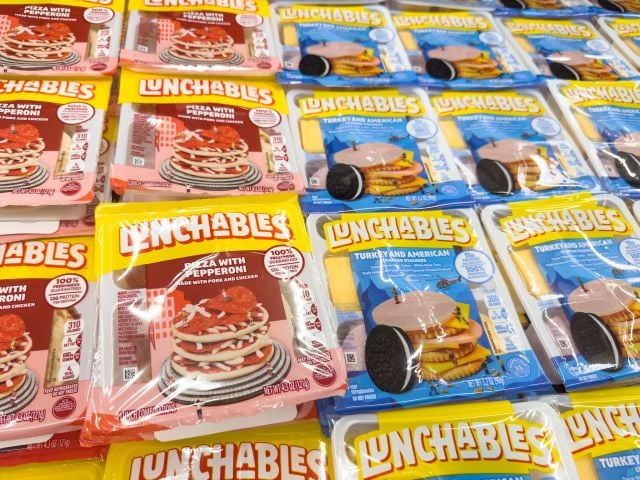
Companies use a range of tricks to make your food taste more flavorful.
Many of these tactics come straight from the tobacco industry playbook – and they’re so effective that some ultra-processed foods, or UPF, are considered addictive.
But companies are not just targeting your taste buds. They’re tricking your other senses, too. It’s all part of a sales strategy to make their food products as appealing as possible, and most people never even realize it.
From the time you see a packaged food to the smell you get when you open it to the sound it makes when you bite into it – you’re subject to marketing ploys the food industry has spent decades and millions of dollars perfecting.
Here’s how companies use these tactics to sell ultra-processed products, from cream cheese to chips to cheese puffs.
1. Scent marketing can trigger cravings
Smell is a powerful sensory cue. Specific scents can bring up old memories, evoke an emotional response and – of course – trigger hunger.
Food companies, retailers and restaurants have figured out how to use this to their advantage.
Some grocers strategically pump bakery smells through the store to inspire impulse purchases. Sometimes the smells aren’t even real. One promotional campaign used scented diffusers to release a baked cheesecake aroma into select grocery stores in an attempt to sell Philadelphia-brand cream cheese.
Food companies will even use “scent marketing” in their packaging and labels to appeal to consumers and build brand loyalty. As Chris van Tulleken describes in “Ultra-Processed People,” some ice cream producers use caramel scented wrappers to compensate for the lack of smell in frozen foods.
2. Chips are engineered for the perfect crunch
It’s not by chance that biting a potato chip feels so satisfying. Companies that make chips and other crunchy snacks have put serious thought into the sound they make when you eat them.
One study famously asked volunteers to judge the freshness of Pringles chips based on the volume of their crunch. People who heard louder crunches rated the chips as fresher than those who heard quieter crunches. Another study found that people ate fewer potato chips when they wore headphones to cancel out the crunching sound.
PepsiCo, parent company of Frito-Lay, has 19 research and development centers that research food qualities like chip crispness. Some companies patent the processes they use to create a proprietary chip texture and crunch.
3. Food coloring can trick you into tasting more flavors
The color of a food can influence its taste. When you see a red fruit snack or a pink yogurt, your brain expects a certain type of flavor – and that expectation can affect how you experience it. Food companies know that, which is why many artificially flavored strawberry products also contain artificial red color.
Studies consistently show that people expect more intense flavors from foods with intense colors. Research found that added food coloring can increase the perception of sweetness by as much as 10%.
When margarine was first introduced in the late 1800s, it was white. Sales increased when manufacturers started using yellow food dye to make it look more like butter – to the dismay of dairy producers, who successfully lobbied some states for “anti-color laws.”
4. Cheese puffs are designed to disappear in your mouth
Light, airy snacks like cheese puffs are made to melt in your mouth. That isn’t just for texture and taste – it can actually short circuit the signals your body uses to tell you you’re full.
When food like a Cheeto dissolves quickly in your mouth, your brain doesn’t always have enough time to recognize that you’ve eaten food. The result is that you don’t experience a sense of fullness and you’re more likely to keep snacking.
This disappearing act is backed by science. A range of studies have found strategies that slow down eating speed can reduce appetite and overall calorie intake.
Don’t let the food industry fool you
The food industry’s priority is to sell products, not support public health.
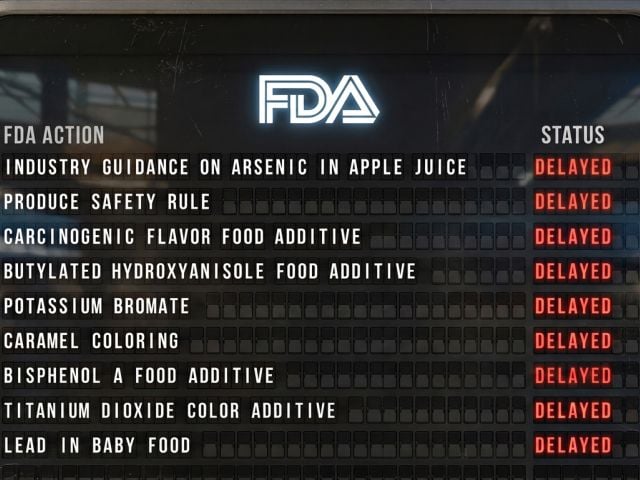
This has experts asking whether it’s time to treat UPF like tobacco. But the federal government has failed to take any policy action to protect public health.
States are stepping in to fill the gaps. In recent years, dozens have proposed or enacted stricter food chemical laws. California took on ultra-processed foods directly with a landmark law to remove the most harmful UPF from schools. State lawmakers are now considering creating a non-UPF certification to help shoppers make more informed choices at the grocery store.
Until the federal government adopts food policies that put our health first, there are a few steps you can take to avoid UPF and the marketing ploys that promote them.
One approach is to look past colors and other creative marketing to check ingredient lists and nutrition facts on the back of the package. Look to avoid longer lists of ingredients, including artificial colors and flavors, that you probably wouldn’t find in a home kitchen.
Take a look at EWG’s Food Scores, which provides ratings for more than 150,000 foods and drinks based on nutrition, ingredients and processing concerns. Food Scores also flags unhealthy UPF and can help with identifying healthier alternatives.
Shoppers on the go can also use EWG’s Healthy Living™ app.
Finally, follow Fed UP! – a new coalition of scientists, researchers and public health advocates dedicated to exposing the harms of UPF and showing how our food system shapes our health.