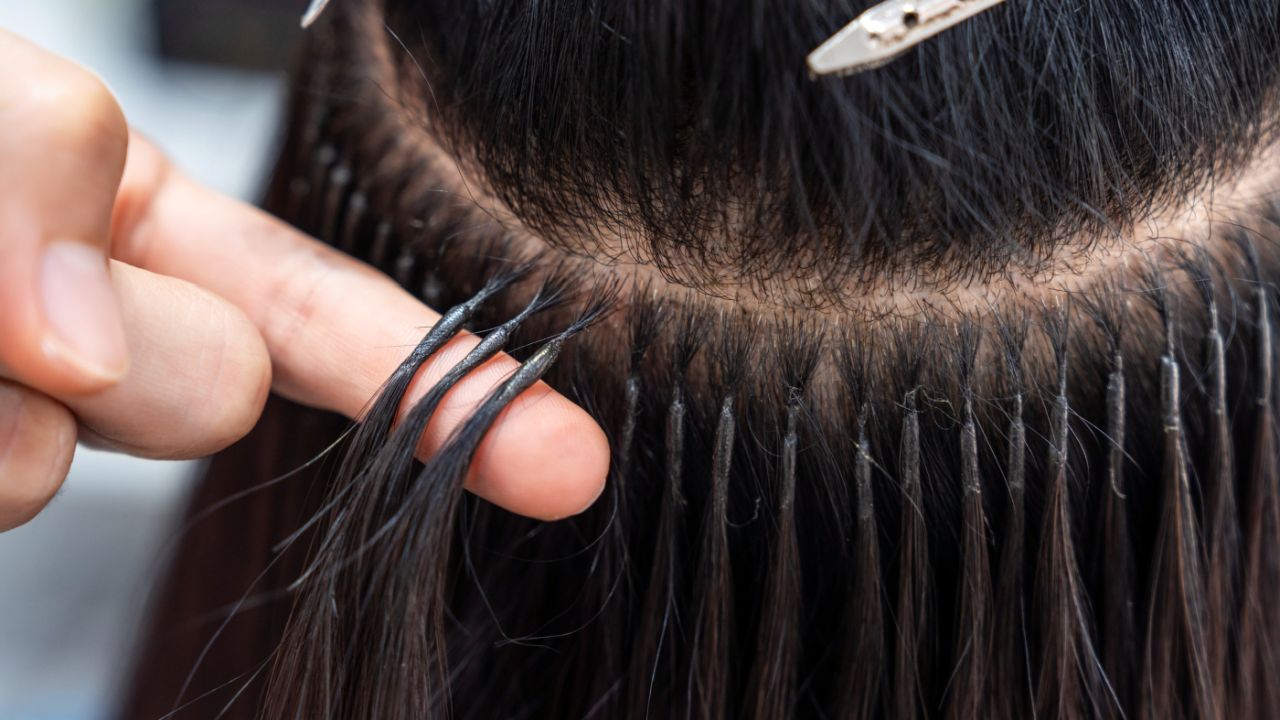
More than nine in 10 hair extensions sold in the U.S. contain chemicals linked to serious health harms, including cancer and hormone disruption, a new peer-reviewed study finds.
The study raises concerns about extensions being an overlooked source of chemical exposure, particularly for Black women, who are the main users of these products and already face disproportionate health risks from exposure to certain personal care products.
Published in Environment & Health, the peer-reviewed study, by researchers at the Silent Spring Institute, centered on the most comprehensive public tests of hair extensions to date. Researchers analyzed 43 samples of synthetic and human hair extensions. Using a method of analysis that did not look for the presence of any particular substance, they detected 933 unique chemical signatures, identifying 169 distinct chemicals.
Since people may wear extensions for weeks or even months at a time, the findings suggest potential health risks linked to frequent use and exposure.
Harmful substances in study’s hair samples
At least one substance linked to cancer or reproductive harm was detected in 91% of hair samples. Among them were dibutyl phthalate, naphthalene and styrene, which are included in California’s Proposition 65 list of cancer-causing chemicals.
Nearly 10% of samples contained organotin compounds, a class of endocrine-disrupting chemicals that can interfere with hormone systems. Some levels exceeded European Union safety limits for consumer products.
Organotins are largely unregulated in U.S. consumer products.
Elevated fluorine levels in some samples suggested the potential presence of the “forever chemicals” known as PFAS, which are linked to immune suppression, cancer, harm to fetal development and other health harms.
Why this matters
For millions of Black women and girls, hair extensions are a form of cultural and personal expression. A 2023 study found 70% of Black women reported wearing hair extensions in the previous year.
Long-term use of the products may lead to potentially significant, cumulative exposure to chemicals. Prolonged wearing of extensions can bring harmful substances into direct contact with the scalp and neck. Heating or styling extensions may release chemical fumes. Breathing those fumes may be another way people are exposed.
The presence of endocrine-disrupting chemicals in extensions is especially alarming. These substances interfere with the hormones that regulate reproduction and development, affect reproductive and birth outcomes, and increase the risk of certain types of cancer. These preventable exposures are particularly troubling, since Black women already face disproportionately higher rates of aggressive breast cancer and uterine fibroids.
These health risks do not happen in isolation. Depending on the manufacturing process, extensions may be treated with a mixture of hazardous substances, including synthetic dyes, flame retardants, waterproofing agents and harsh antimicrobial chemicals.
Disparities in beauty products
The Silent Spring Institute findings follow a 2025 Consumer Reports study that found chemicals detected in all 10 braiding samples analyzed. Together with that study, this research contributes to the growing literature on disproportionate chemical exposures in products marketed to Black women.
EWG last year released an updated analysis of 4,011 personal care products marketed to Black women. The results were stark: EWG’s Skin Deep® database rated only 21% of them low hazard, compared to 27% of products without any demographic marketing, which means there are fewer safe alternatives for Black women.
Six percentage points may seem small, but they equate to thousands of products.
The results suggest a safety gap in products marketed to Black women that has persisted nearly a decade after EWG first documented these disparities, in 2016.
EWG’s 2025 report also contained good news. The presence of most of the common harmful chemicals found in 2016 decreased significantly, with one exception: undisclosed fragrance.
But there’s still work to be done on the health risks of chemicals in beauty products. The updated analysis found the presence of quaternary ammonium compounds, linked to asthma and reproductive harm, formaldehyde-releasing preservatives, and ingredients in hair straighteners and dyes associated with elevated risks of cancers in Black women, albeit in lower quantities than the 2016 report.
Risks similar to hair straighteners’ risks
Formaldehyde is a key ingredient in many hair-straightening treatments, helping to smooth hair when heat is applied.
The National Toxicology Program classifies formaldehyde as known to cause cancer in humans, and long-term exposure is linked to leukemia and other types of cancer, risks the Food and Drug Administration has understood since at least 2008.
Short-term exposure to formaldehyde can cause eye, nose and throat irritation, shortness of breath and wheezing. Repeated exposure is associated with allergic reactions, asthma and other chronic respiratory problems.
Large studies reinforce these concerns. Research from the National Institutes of Health involving more than 33,000 women found that frequent use of chemical hair straighteners – over four times a year – more than doubled the risk of uterine cancer, compared to the risk faced by non-users.
Nearly 400 pages of FDA reports about poor product outcomes document consumer complaints of illness and injury linked to formaldehyde-based treatments. Because reporting was voluntary until 2022, the true toll is likely higher.
In EWG’s 2025 report, hair relaxers remain a high-hazard product, but the average hazard score had decreased from 8 to 5 since 2016. Relaxers still contain hazardous ingredients other than formaldehyde, including formaldehyde-releasing preservatives like DMDM hydantoin, which can cause skin reactions and slowly release small amounts of formaldehyde.
The risks are disproportionately greater for Black women, who are more likely to use chemical straighteners. In the NIH study, nearly 60% of women who reported ever using straighteners were Black.
Salon workers face even greater cumulative exposure because they repeatedly breathe in the hot fumes. The Centers for Disease Control and Prevention warns that working with formaldehyde may increase the risk of fertility problems or miscarriage.
Regulatory gaps leave consumers unprotected
Despite decades of evidence and internal FDA emails acknowledging their health risks, hair straighteners made with formaldehyde can legally remain on the market in some states, although it’s unclear how many are still for sale.
Concerns over formaldehyde in hair straighteners led some lawmakers to call for long-overdue federal action to protect consumers and workers. Some states, such as California and Maryland, have banned formaldehyde in cosmetics, forcing a shift in the market away from this and other dangerous ingredients.
Ingredient labeling for hair extensions is minimal or nonexistent, so it is nearly impossible for consumers to make informed choices and avoid harmful ingredients.
New York last year proposed legislation requiring manufacturers of synthetic braiding hair and extensions to disclose all ingredients.
In Congress, the Cosmetics Safety for Communities of Color and Professional Salon Workers Act for the first time would direct the FDA to regulate synthetic braids and extensions. That piece of legislation was introduced, in 2025, as part of the Safer Beauty Bill Package.
While some states, such as California, Maryland, Oregon and Washington, have banned some harmful chemicals in cosmetics, most beauty products remain largely unregulated at the federal level.
What you can do
Everyone deserves to have access to beauty products that don’t raise concerns about harmful chemicals.
Until regulation catches up by requiring disclosure of chemicals used in hair extensions and banning formaldehyde in hair straighteners, one option may be to try to lower your total chemical exposure. To do that, you would focus on swapping other products you use every day for less toxic versions of those products.
Other tips:
- Be wary of marketing claims. Labels that boast a product is non-toxic or toxic-free don’t guarantee safety. For cosmetics products, check ingredient lists, and contact manufacturers when you’re unsure what’s in their products.
- Check products before you buy. Use EWG’s Skin Deep® database to search for hair care products, including hair dye, and other personal care items. Products are rated on a scale of 1 (lowest hazard) to 10 (highest hazard) based on their known chemical ingredients.
- Download EWG’s Healthy Living™ app. Scan barcodes while shopping to instantly check product ratings and find safer alternatives for personal care and cleaning products, and food.
- Look for EWG Verified® products. The EWG Verified mark means products meet EWG’s strictest standards for your health and are free from EWG’s chemicals of concern. Search for safer alternatives at ewg.org/verified.
The growing body of evidence makes clear that products marketed to Black women continue to carry disproportionate chemical burdens, from hair extensions and dyes to relaxers and other beauty products.
Until stronger oversight and transparency requirements are put in place, consumers must rely on independent resources to protect themselves and their families from hidden health risks in everyday products.