Several consumer tax credits for renewable energy upgrades are suddenly poised for complete phaseouts over the next year, some in just a few months.
The recently enacted “Big Beautiful Bill” eliminates many tax incentives designed to bring down the costs of cleaner ways to power your life, such as rooftop solar and electric vehicles.
But there’s still time to take advantage of the federal tax incentives that help make it financially possible for many households to go green.
Here’s what you need to know about clean energy tax credits before they’re gone.
Rooftop solar
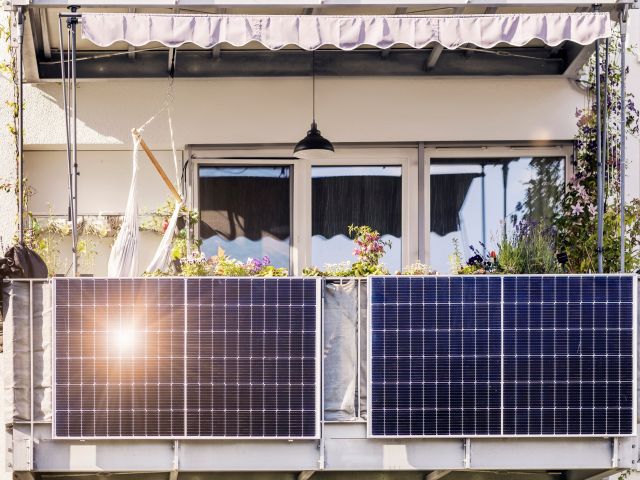
Rooftop solar has become increasingly popular in recent years as an energy option that’s better for the planet – and often less expensive than other electricity sources.
California has been a leader on rooftop solar, with roughly 2 million households using it. More than 60% of those users are low- or middle-income. Along with over 300,000 renters, they’ve seen reduced monthly utility bills, thanks to the clean energy source.
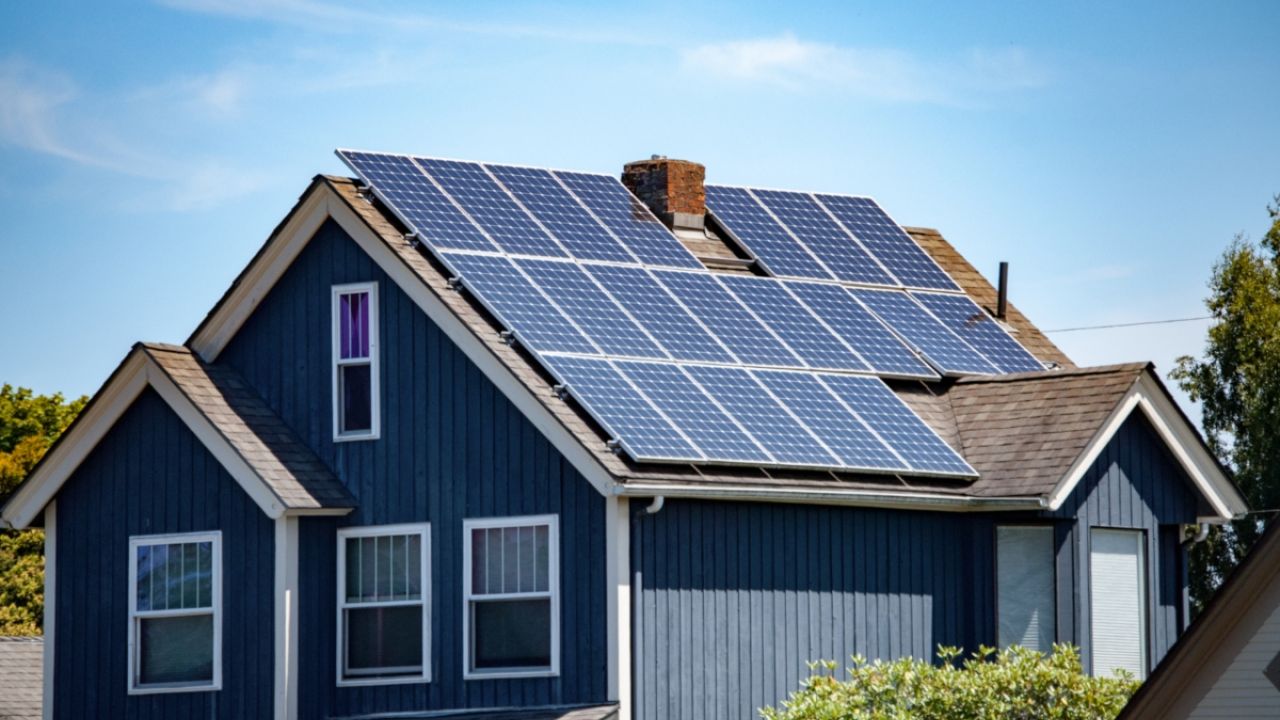
Currently, consumers who install rooftop solar panels can have 30% of their installation costs reimbursed through the federal Residential Clean Energy Credit. The credit also applies to solar water heaters, wind turbines, geothermal heat pumps, fuel cells and battery storage technology.
But under the new law, that credit for customer-owned clean energy systems will disappear after December 31. Residents hoping to use it will either have to have paid for their system by then or already have it fully installed – the law isn’t clear.
The safest bet is to try to finish installation before the year ends. This is often defined as getting “permission to operate” from your local utility, the final step in the process.
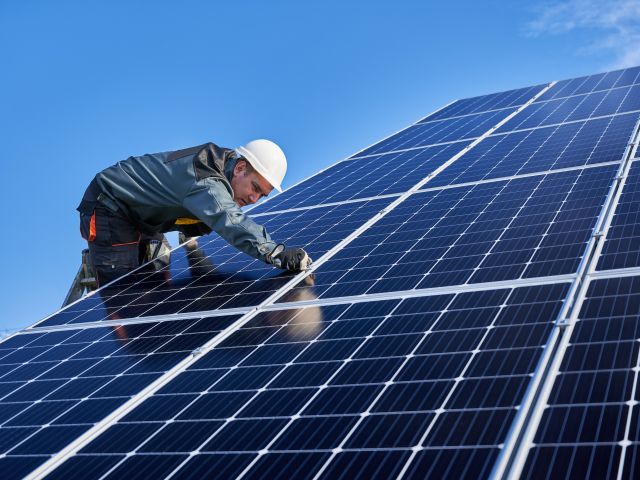
Residential solar systems take about a week to install, according to the Solar Power Authority. But when you factor in contractor selection, site visits, permitting, utility interconnection procedures and other administrative requirements, the total process can take between one and five months, sometimes even longer.
That means consumers hoping to take advantage of federal tax credits for their solar projects should get started as soon as possible. But even with the tight timeline, seek bids for multiple contractors, check their licenses and read contracts carefully before signing them.
The commercial version of this credit will stick around a little longer. Developers can still get 30% back for solar systems that either begin construction by July 4, 2026, or are fully installed by December 31, 2027.
This means homeowners wanting to go solar can still choose a third-party-owned system, also known as a Power Purchase Agreement, which describes a commercial entity’s ownership of the rooftop solar panels and sale to you of the solar energy through a long-term contract.
Electric vehicles
Tax credits for electric vehicles, or EVs, will be the first to go under the law.
These cars are becoming increasingly popular as low-carbon alternatives to traditional gas guzzlers, helping to reduce emissions from one of the country’s most carbon-intensive industries. They’re also attractive because they’re more efficient.
But in the U.S., EVs are sometimes more expensive than their gas-powered counterparts.
The Biden administration implemented a federal tax incentive program in 2022 to encourage Americans to drive electric. Anyone buying an EV – with certain limitations – can get $7,500 back on their annual taxes if the car is new, and up to $4,000 back for a used EV. The credit doesn’t apply in all taxpayer situations.
The new law moves up the end date of these incentives, from the end of 2032 to Sept. 30 of this year – just two months away.
Buyers must purchase and take delivery before then if they want to take advantage of the savings federal credits can supply.
Energy efficiency upgrades
Several home efficiency improvements, such as installation of electric heat pumps and replacement of insulation, were subsidized under the Energy Efficient Home Improvement Credit.
These changes can reduce the energy demand of your home, in turn lowering the electricity bill. But the credit will end after December 31.
Before then, consumers can claim up to $2,000 on new heat pumps or water heaters that meet or exceed certain standards. You can get up to another $1,200 back for upgrades to windows, doors or insulation or for conducting a home energy audit.
Some limitations apply. Credits don’t roll over to future years. They also don’t apply to businesses or new homes.
There’s a separate, similar credit for builders investing in energy-efficient technology in new homes, but it disappears as of June 30, 2026.
Other federal programs that encourage home efficiency upgrades will remain in place, unaffected by the new law. Some states and local governments have their own programs, too.
But homeowners hoping to take advantage of this tax incentive must act before the year is out.